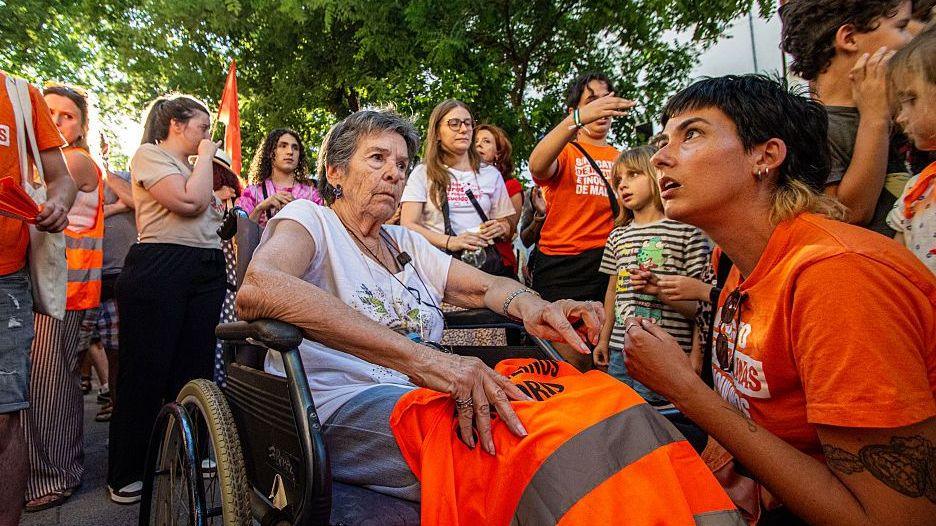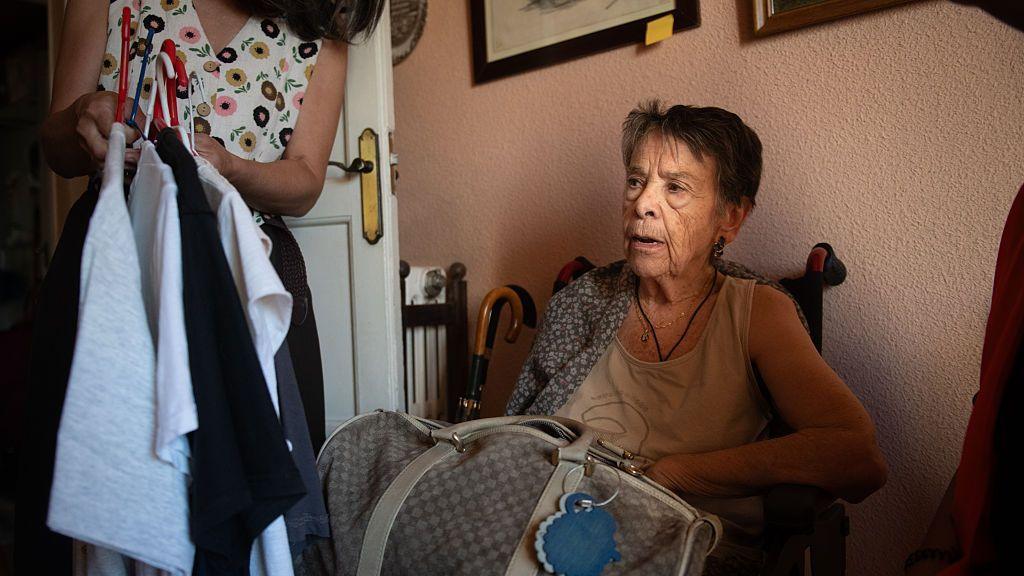
An elderly Madrid resident, Maricarmen Abascal, 87, was forcibly evicted from her apartment on 23 September after a dramatic rent hike that exceeded her pension. The eviction sparked a series of protests nationwide, exposing long‑standing tensions between tenants and landlords and putting pressure on the Spanish government to intervene in the housing market.
Following the eviction, the owning investment company offered her a reduced rent, but she was unable to accept the terms while in hospital. The Madrid Tenants' Union later announced that she had passed away, calling her death a “turning point in the history of this country.”
Abascal’s case had attracted significant media attention; her father had first rented the property in 1956 and she remained a tenant after her parents died. A legal loophole allowed her landlord to raise her rent from €500 to €2,650, later reduced to €1,650—still €300 above her monthly pension.
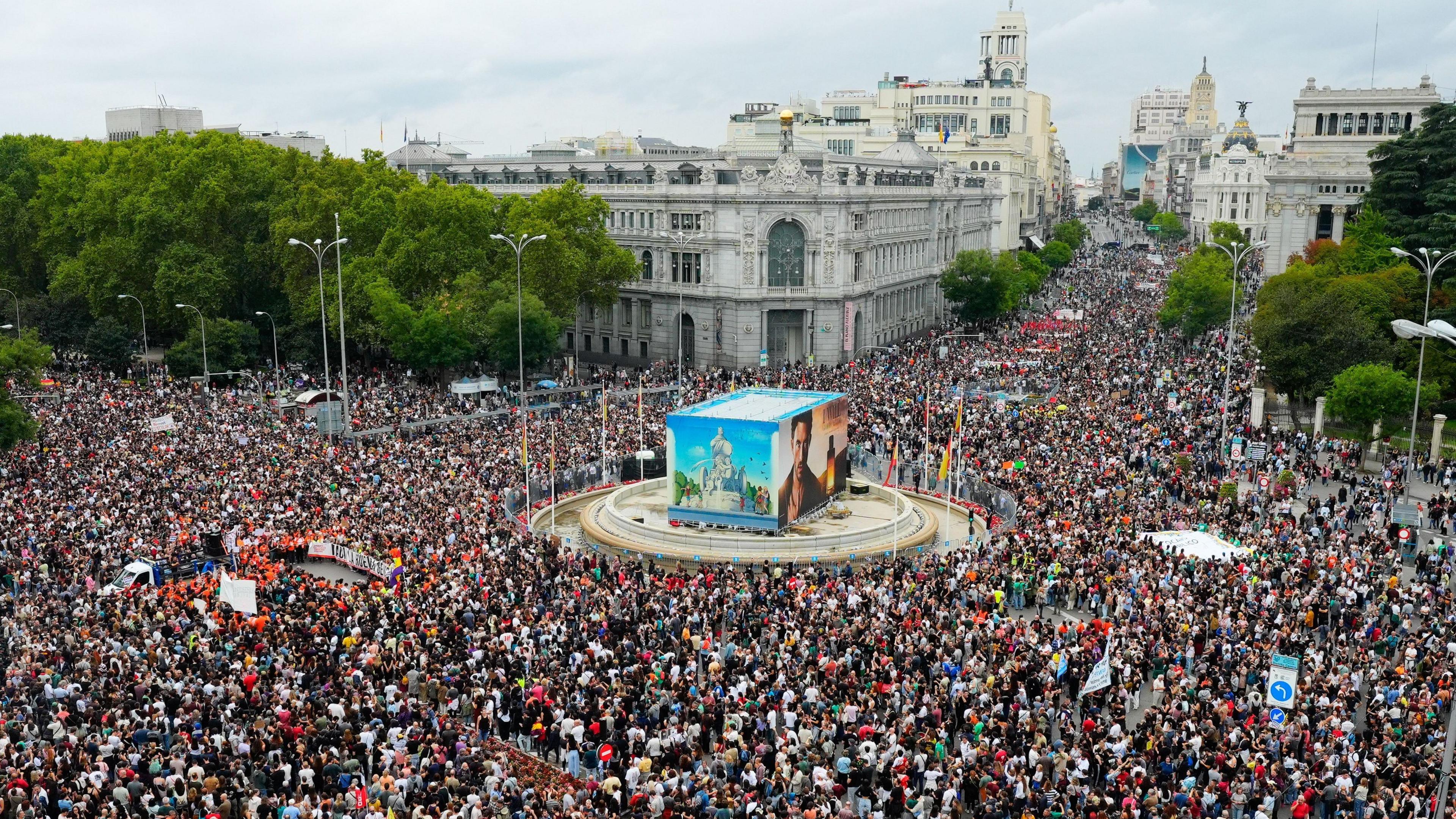
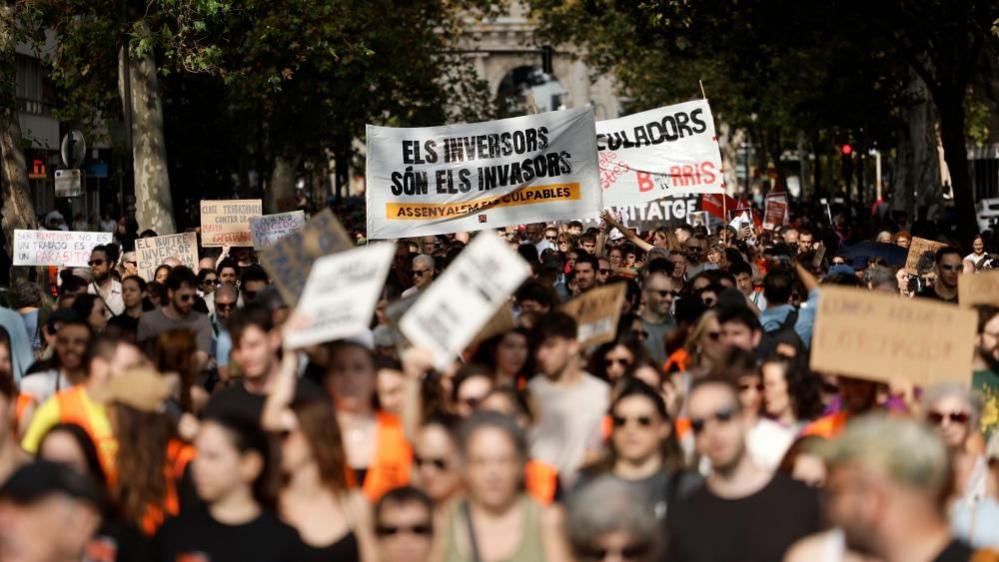
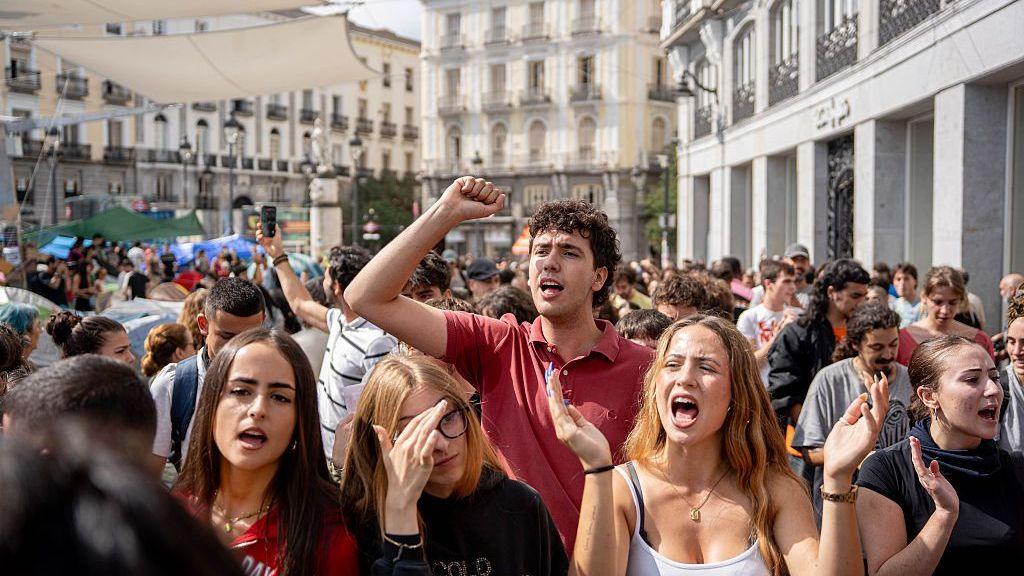
The controversy over Abascal’s eviction precipitated a wave of demonstrations across Spanish cities. Protesters rallied in Madrid’s Puerta del Sol and other major public squares, demanding emergency housing legislation that Parliament ultimately rejected.
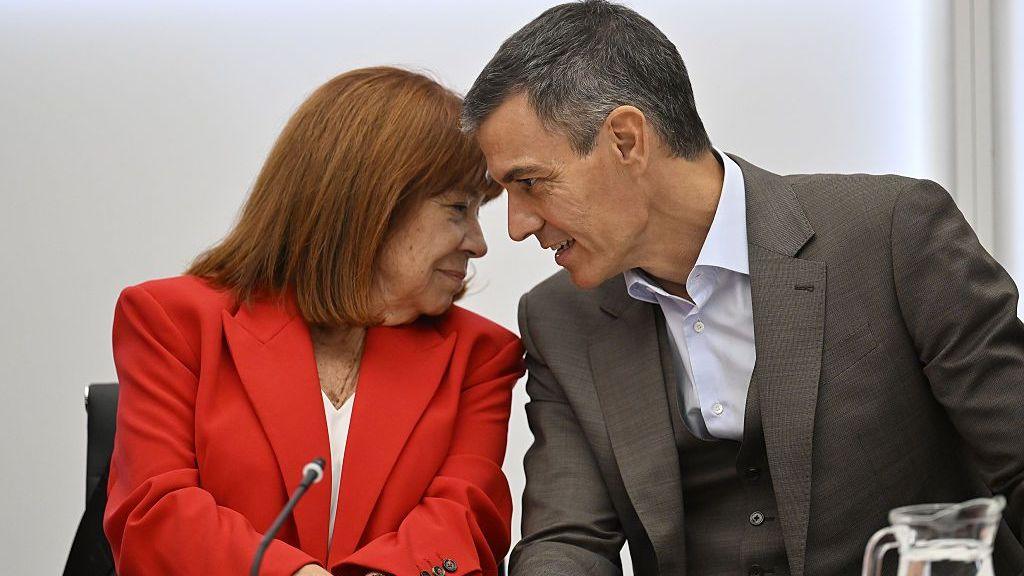
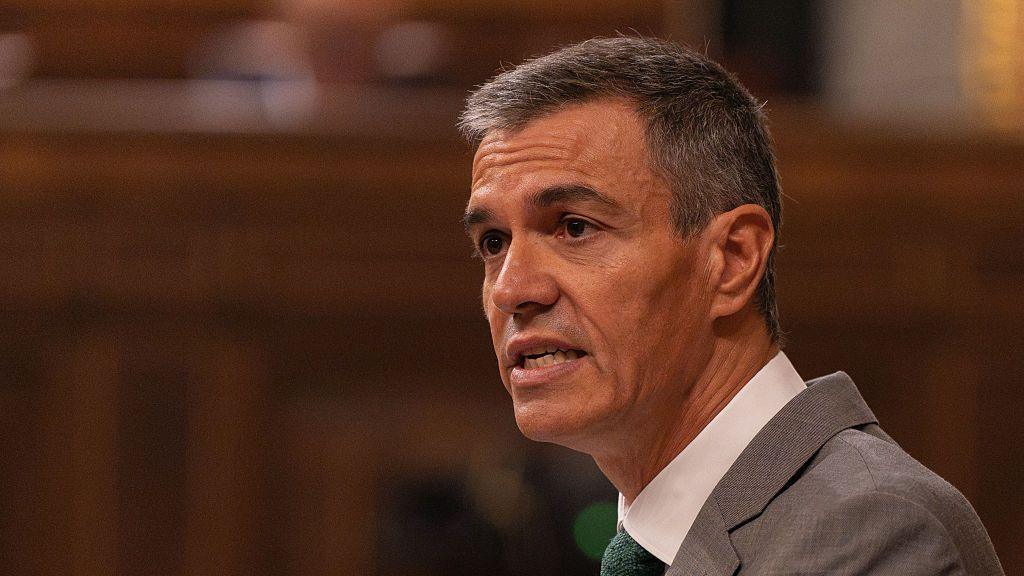
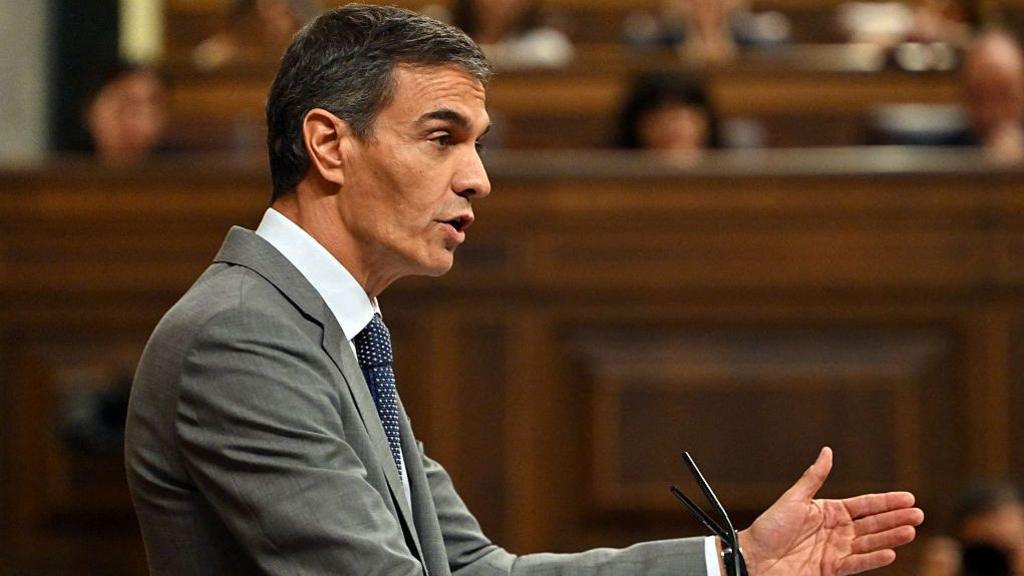
The unrest forced Prime Minister Pedro Sánchez, who leads a minority coalition, to call an early election for 29 November, hoping to secure a broader progressive majority. While the right‑leaning parties view the government’s housing interventions skeptically, the current crisis underscores the urgency of reforming Spain’s rental market.
Abascal’s legacy lives on in the ongoing struggle for affordable housing and tenant protection, with unions and activists continuing to push for policy changes that would prevent such tragedies in the future.