Malaysia has begun deporting around 5,000 Rohingya asylum seekers to Myanmar as part of a controversial deal with the military-led government.
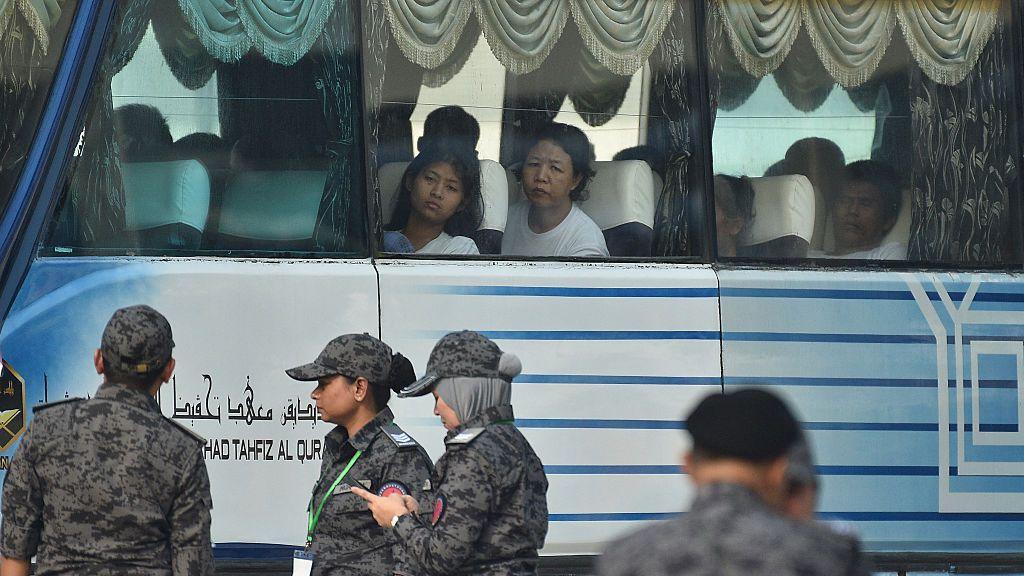
Three navy ships crossed the Malaysian coast on Tuesday, carrying the first 1,476 returnees.
Human‑rights observers warn that the deportees could face violence, persecution and even forced enlistment in the Myanmar army. Malaysia insists the process is voluntary, yet has kept the migrants in detention centres and barred UN agencies from inspecting them.
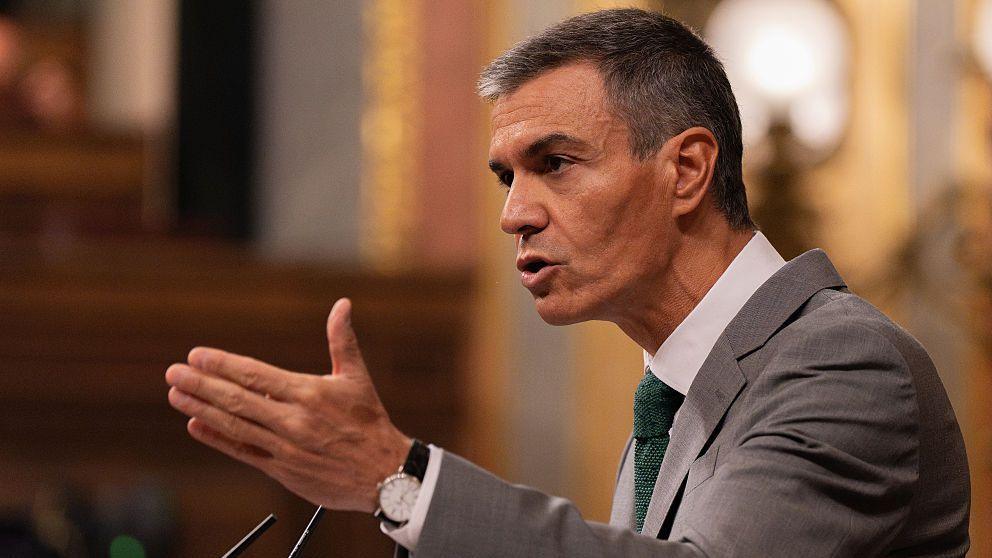
Prime Minister Anwar Ibrahim cites rising public hostility toward the Rohingya community in Malaysia and claims he had no other choice but to negotiate the return. He says the movement is necessary to protect national security and reduce economic strain.
The shift marks a stark contrast to Anwar’s earlier reputation as a human‑rights defender. His decision has drawn criticism from former colleagues and civil‑society leaders, who accuse him of betraying his own principles.
Economic pressures followed the Covid‑19 pandemic, coupled with a political landscape that has seen successive unstable coalitions since 2018, have transformed public sentiment in favour of stricter immigration control.
The Rohingya people, who fled ethnic cleansing in Myanmar’s Rakhine State, largely lack citizenship documents that would allow them to re‑enter the country legally. Even if repatriated, they would be confined to a walled camp in the capital Sittwe, surrounded by continuing conflict and whose accessibility is severely limited by the insurgent Arakan Army.
Bangladesh, which hosts millions of Rohingya refugees, has made limited progress in negotiating safe return for its population, offering a cautionary parallel to Malaysia’s current plan.
Rohingya rights advocates insist that any return must be voluntary, safe and conducted with full dignity and respect for international humanitarian laws.