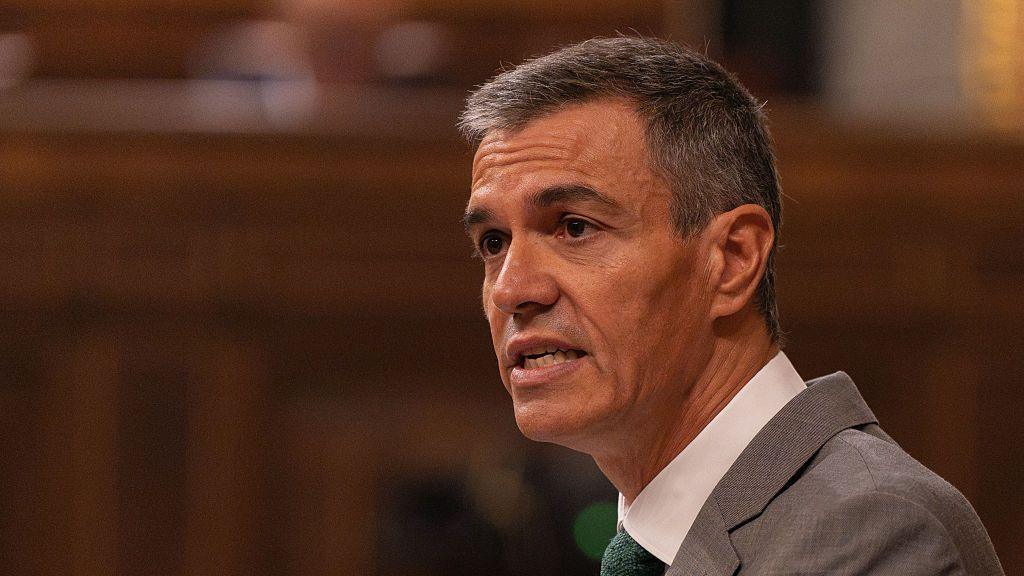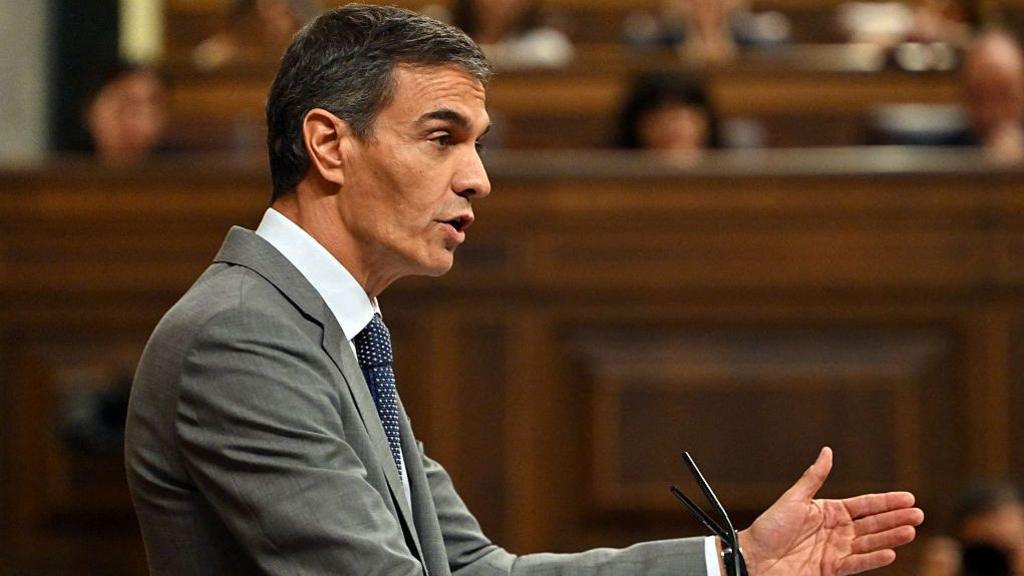
In the early hours of Friday, Prime Minister Pedro Sánchez found his parliamentary agenda crushed. A package of reforms aimed at easing Spain’s growing rent crisis—proposed to curb evictions, tighten lease terms and limit investment purchases of residential property—was narrowly defeated by opposition parties on the right. The result meant that Sanchez’s left‑wing coalition no longer commanded a parliamentary majority, and the prime minister’s administration could not pass any further measures without external support.
Sanchez’s decision to call a snap election for 29 November is no accident. Three years of unprecedented challenges—high‑profile corruption investigations versus former senior party figures, a media‑flooded scandal involving his spouse, and a sudden surge of over 70,000 migrants in the Spanish exclave of Ceuta—have rendered his government seemingly disconnected from the electorate’s priorities. Rather than “hand it over as a sleeping bag,” Sanchez is looking to the ballot box for political leverage.
Housing is the country’s most urgent problem, recent surveys show. Rents have climbed to levels that outpace wages, pushing many Spaniards to the brink of homelessness. Sanchez's housing package, crafted during a month‑long parliamentary session, could have offered the first major form of protection to millions of tenants. Its defeat, however, left the political narrative in rebuttal mode—Sanchez calls on his party’s left‑leaning electorate to support a campaign that promises to “mobilise and ensure that parliament gives us a much bigger, progressive majority.” The prime minister frames the vote as an opportunity to push beyond the administrative blunder of the Ceuta crisis and the tarnish of corruption into a story of social advancement.
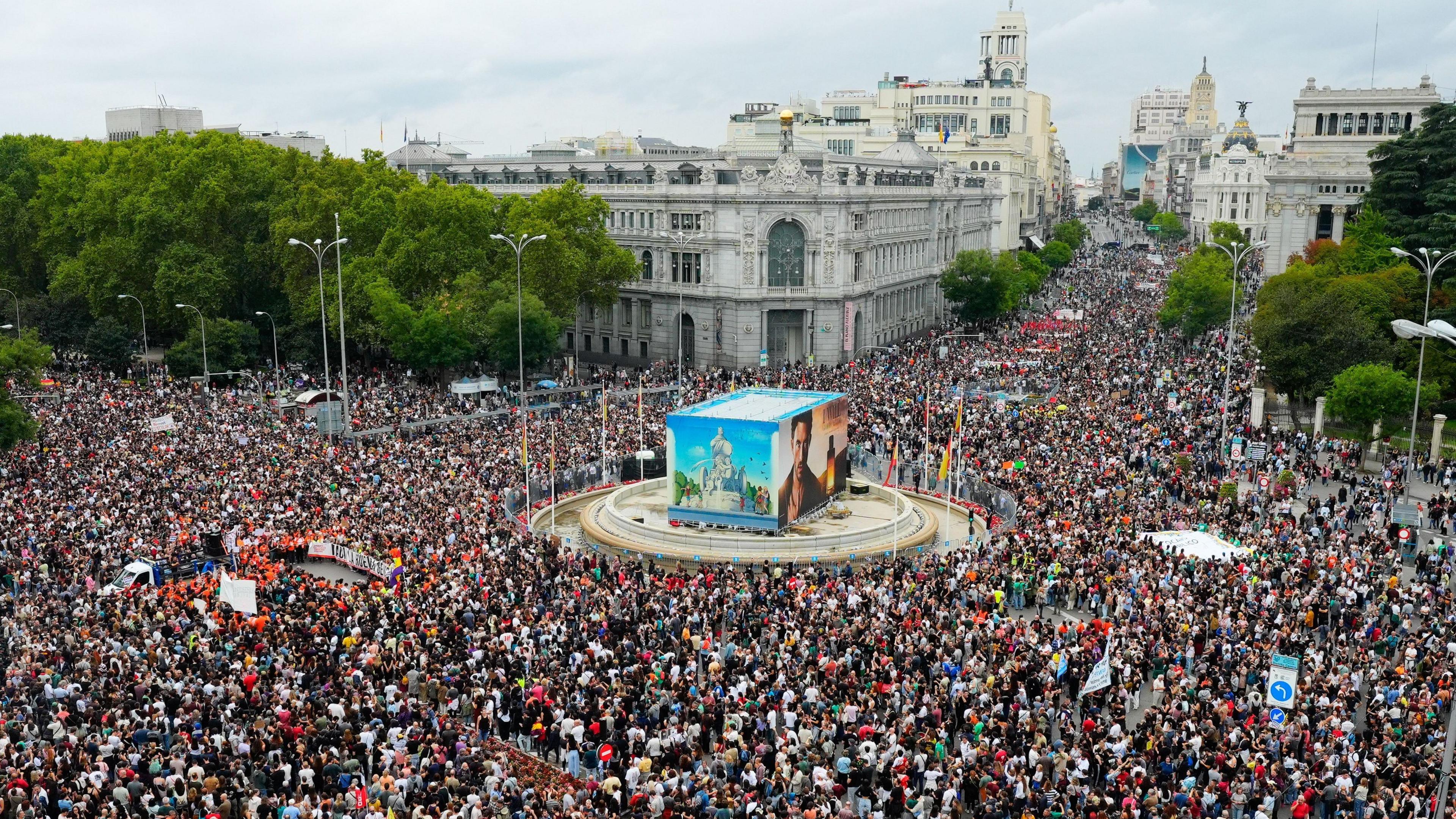
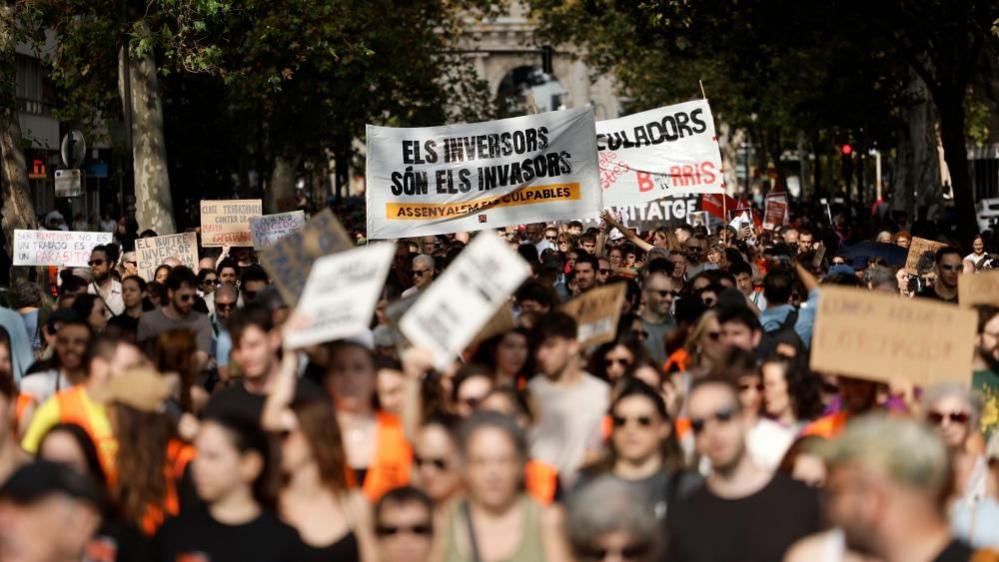
In Madrid, the streets echoed with the roar of citizens—thousands of tenants, activists and left‑wing voters converging on city centres to demand stronger rent controls and a broader social agenda. Meanwhile, the far‑right People’s Party and far‑right Vox continue to denounce Sanchez’s interventionist approach, arguing it threatens market stability and could backfire on the economy. Nevertheless, the opposition’s entrenched scepticism is unlikely to win over those whose rents have climbed in the last three decades.
The Spanish Parliament’s defeat of the housing measures also underpins Sanchez’s assertion that the coalition can no longer rule effectively with its six‑month stalemate apart from the inevitable end of the 2023 legislature. His strategy is to force a political check‑in, harness the lot of anger that he views as a political opportunity, and produce a stronger democratic mandate to fight against “the elites, conquer social rights and keep transforming Spain.” The campaign rhetoric positions the public cellars as a “March Pursuit.” It is a notable shift from his past policy continuity into a performative gauntlet for political survival.
This promise, however, justifies the risk that the Socialists remain in power post‑election in a precarious environment. The public’s confidence has been shaken by the Cabinet turnover, the handling of migrants at Ceuta and accusations that the government engaged in “institutional vandalism.” The elections, therefore, serve as a battleground that will significantly test the bond between politics and daily life in Spain—a constantly shifting balance of policy and—most critically—public sentiment. The final day of the campaign will see Sanchez’s right‑wing opponents leverage demographic tensions into a specific appeal within the public discursive factory, concentrating on issues like immigration, housing and the safety of the border. The socioeconomic future of Spain will ultimately hinge on how well the electorate interprets and embraces Sanchez’s narrative of a better rent‑free future, or whether they provide voters with an alternative that defines Spain’s political frontiers for the next three years.