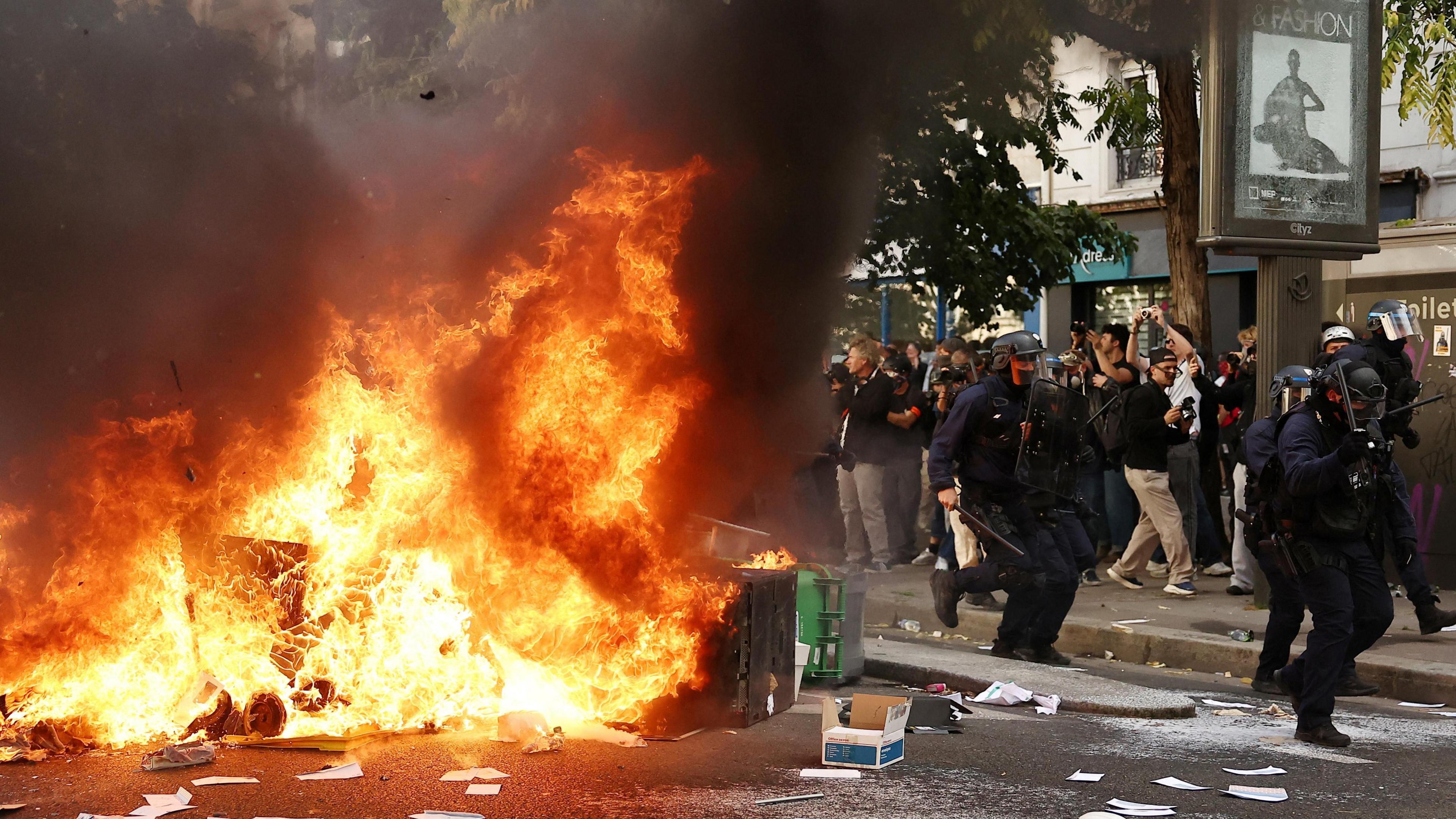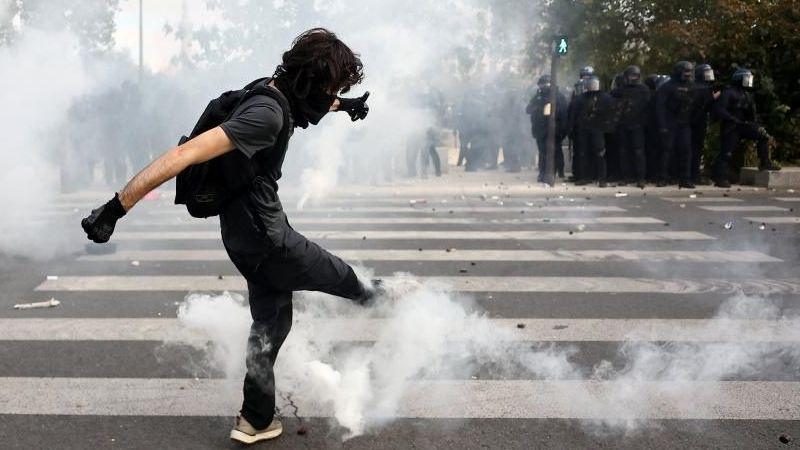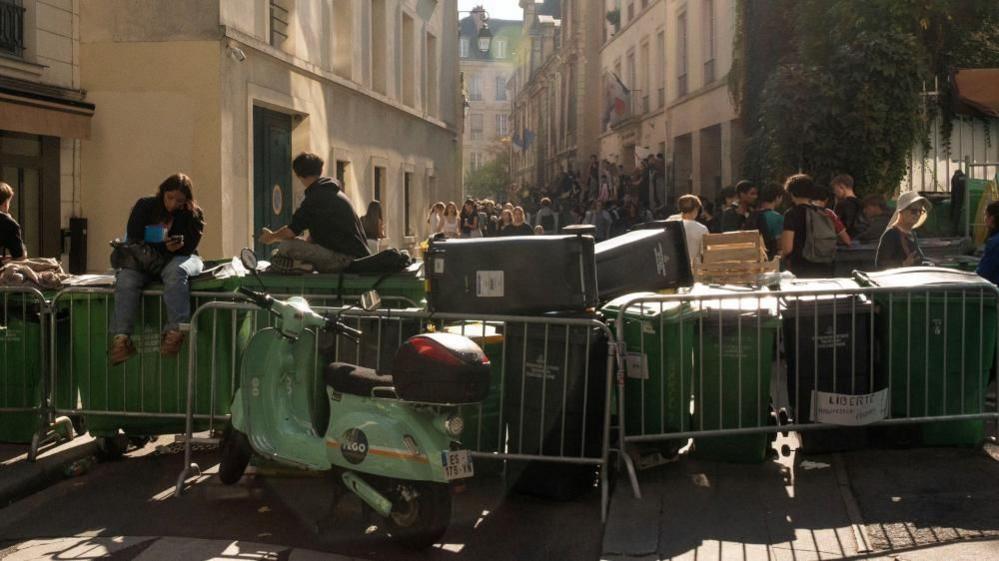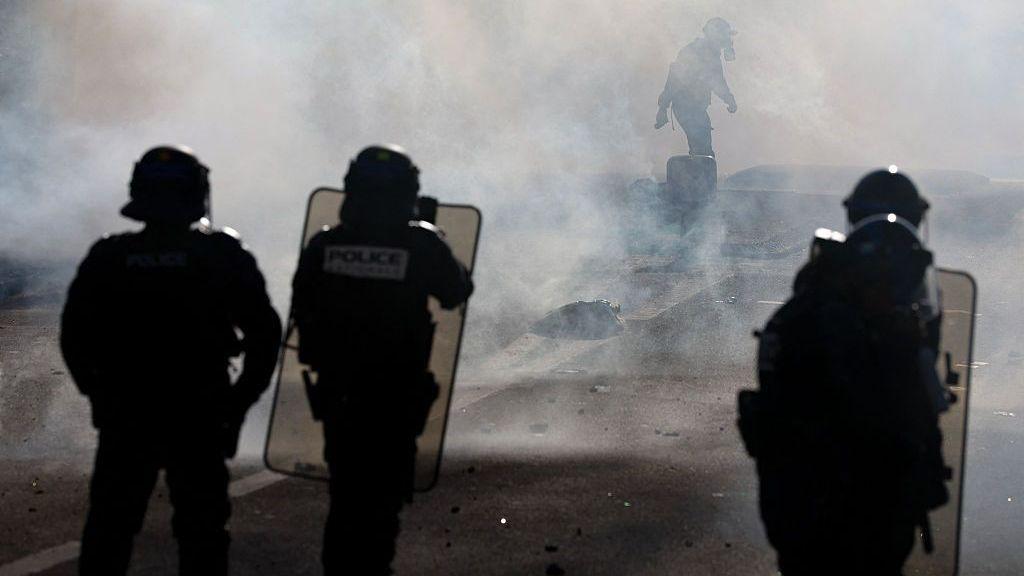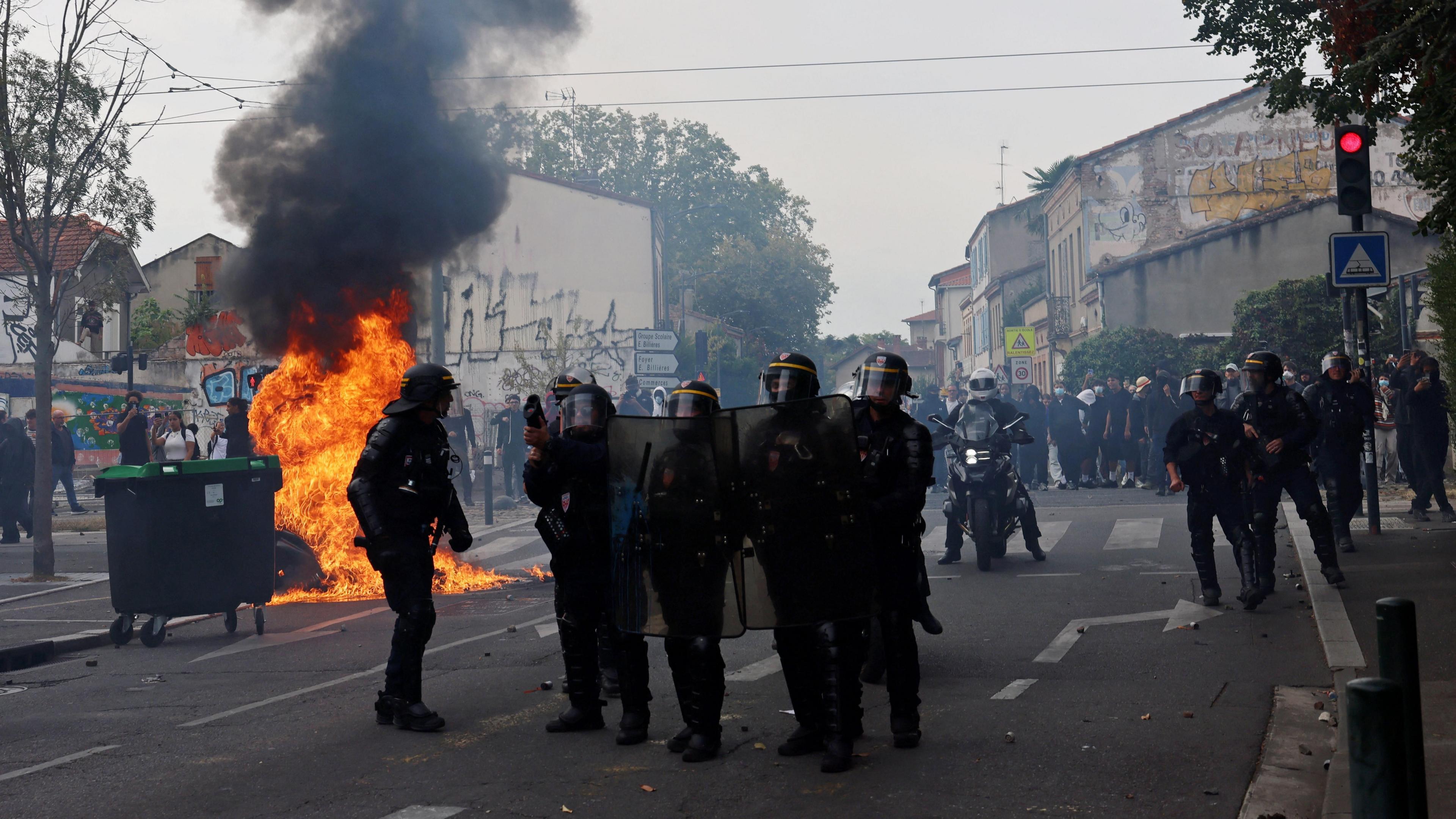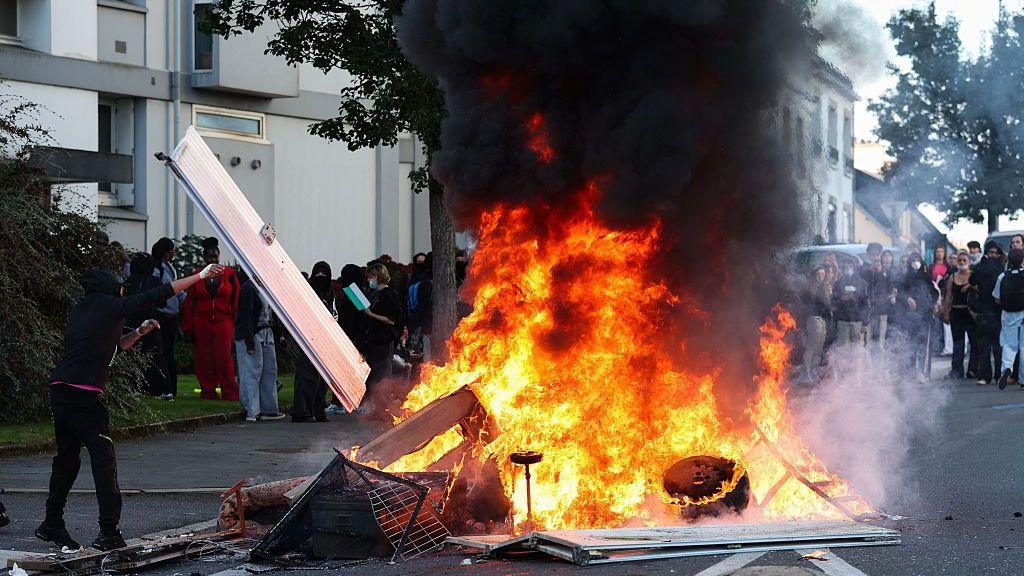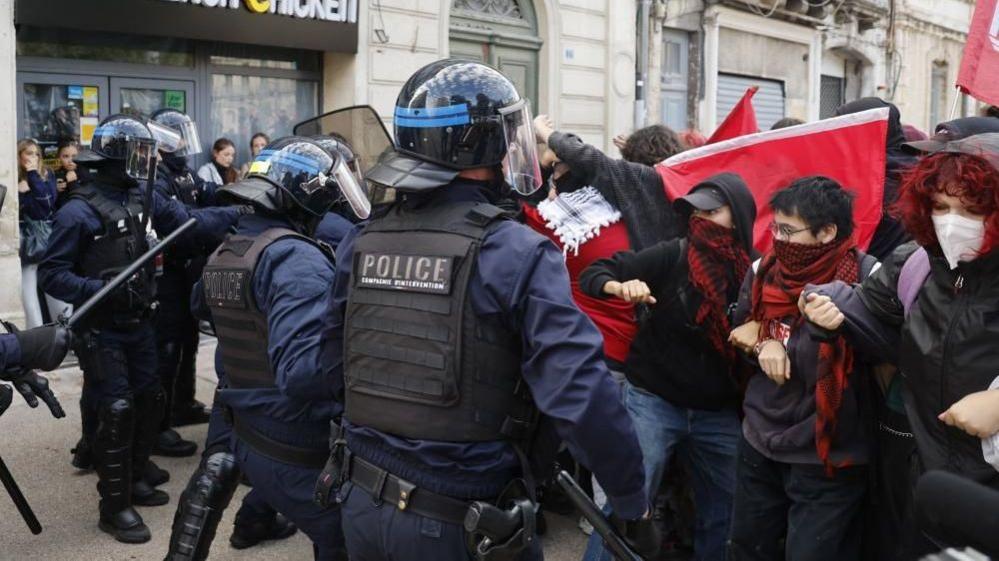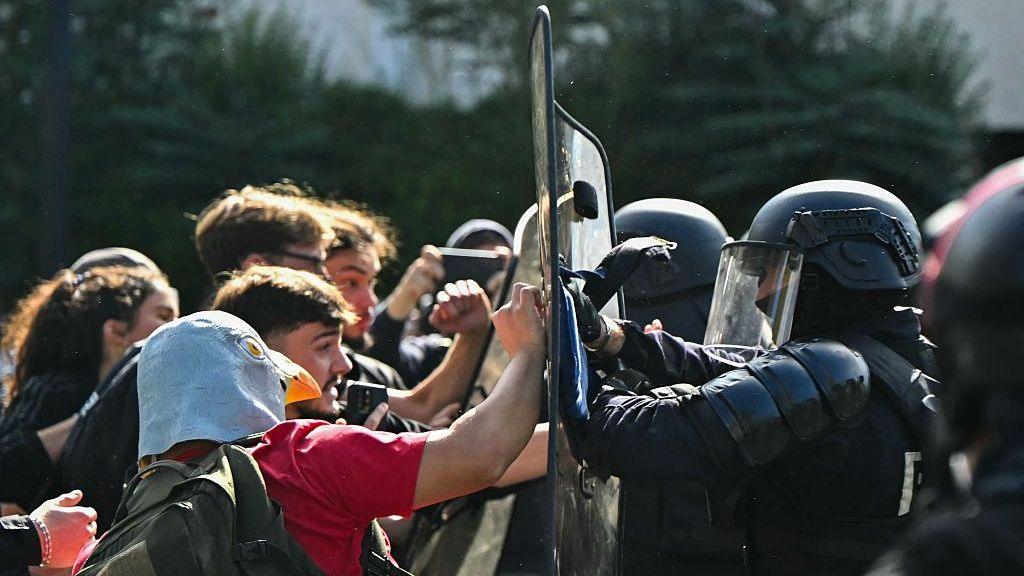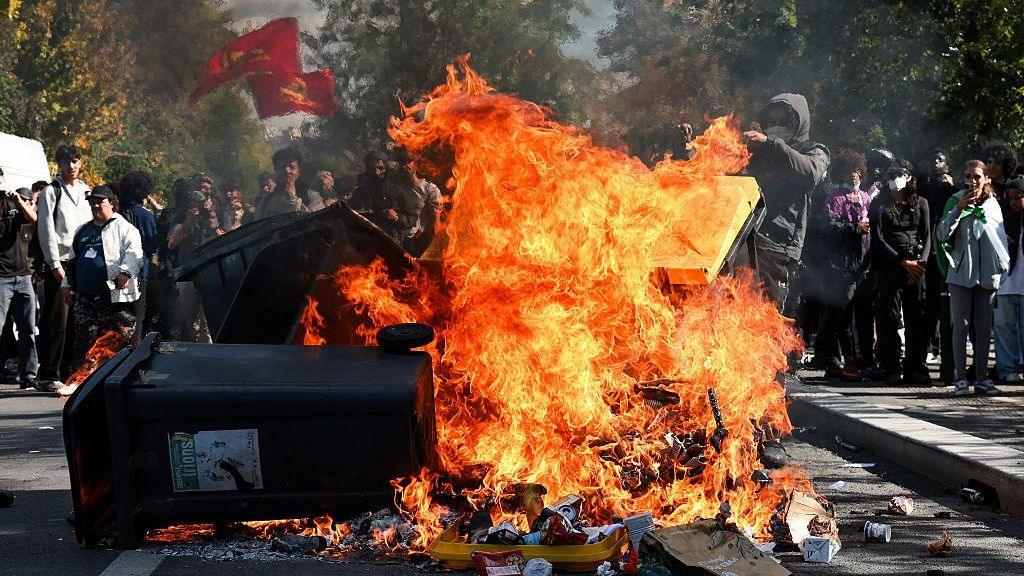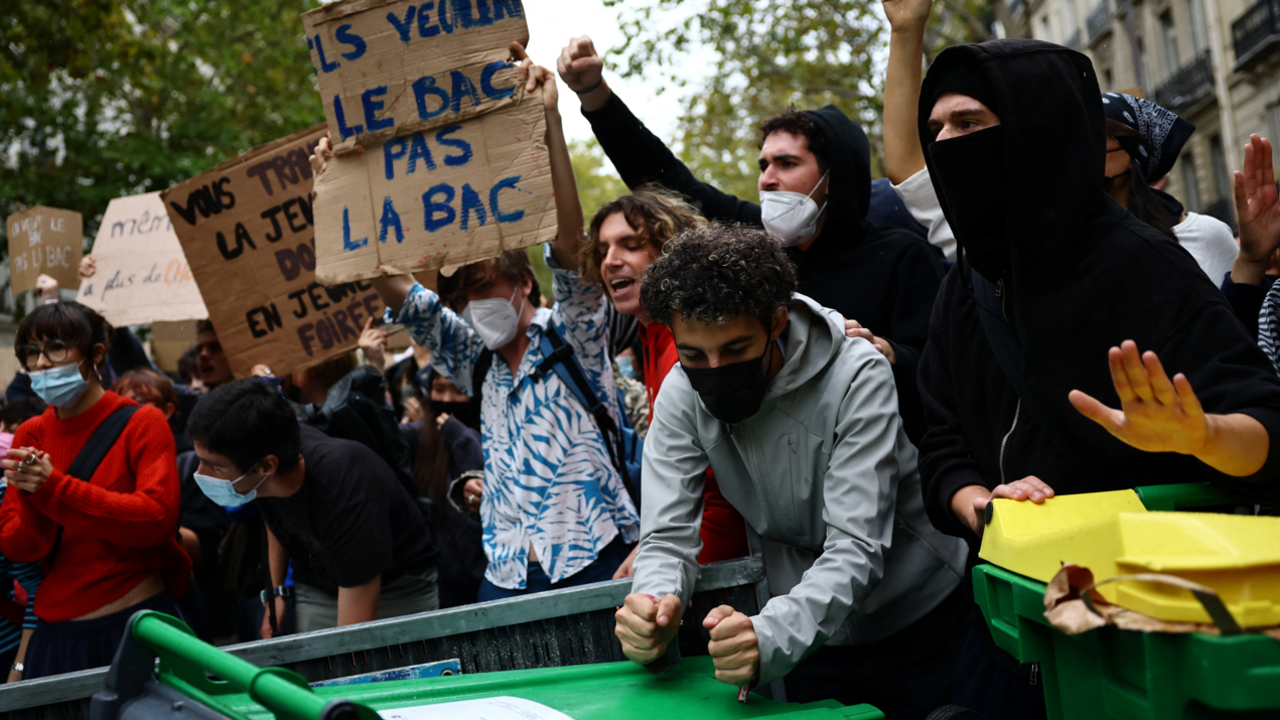
Since late September, thousands of French students have marched, blockaded schools and demanded reforms over chronic under‑funding and a stale higher‑education allocation system.
Students cite teacher shortages, dilapidated buildings, long school days that extend past 6 pm, bans on mobile phones in class and the opaque Parcoursup platform that assigns university places without fully reflecting ambition.
The movement has turned violent in places, leaving hundreds of students, teachers and police officers injured and more than 500 people arrested, including some who appear to have no direct link to the protests.
According to the OECD, France spends more per lycée student than the EU average, but teacher shortages are actually milder than in other developed countries, though salaries are relatively low.
The origins of the unrest lie in long‑standing grievances: in 1990 a rape in a Seine‑Saint‑Denis school sparked nationwide rallies and 1.2 bn € of budget was freed for lycées; in 1998 a march of 500,000 students secured another 1 bn € for renovations and 14,000 new staff; in 2006 university and lycée blockades led to the withdrawal of a law easing hire‑and‑fire rules for those under 26.
Politically, the current public largely legitimises the demands, with 72 % of French people viewing them as justified and 55 % supporting the movement. Yet the government is a lame duck: outgoing President Macron has been in office for nine years, the snap election of 2024 left the assembly grid‑locked, and Prime Minister Lecornu faces a deficit of 5.4 % of GDP and a debt peak not seen since the 1940s.
This fiscal paralysis means Lecornu can offer little to placate the protests, even as he insists security forces only enforce the law, not confront students. The legacy of the 1968 student uprising, the 2018‑19 Gilets jaunes protests, and prior successes of blockader movements demonstrate that the street can still outvote elected officials.
As the protests continue, international observers note that France’s situation mirrors a wider concern: in most European countries, 80‑90 % of young people complete secondary education, and competition for university places creates comparable stress. France’s tension therefore sits within a broader European trend, though the scale, violence and intensity of the current movement remain unprecedented.
The next few days will test whether a more robust budget, clearer policies, and a renewed commitment to student welfare can quell the protests. Until then, the streets remain a powerful platform for a generation demanding education that matches ambition and opportunity.