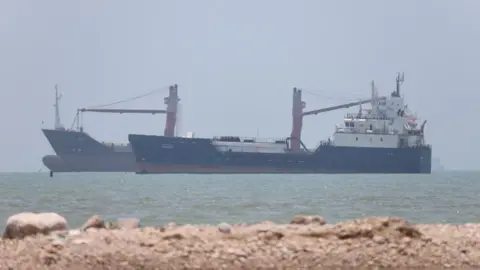
Nearly six months after a fragile ceasefire came into effect in Gaza, Palestinians continue to endure significant hardships. Reports indicate shortages of essential goods and rising prices, as supply chains from Israel have been disrupted due to ongoing conflicts in the region. Shoppers express frustration over the escalating costs, lamenting that while the world’s attention shifts towards the conflict involving Iran and Israel, the plight of Gaza is increasingly ignored.
What does the war between Iran and Israel have to do with us? Prices have doubled here. Goods aren't coming in like before, reflects local shopper Hassan Faqawi, highlighting the stark realities faced by the people of Gaza.
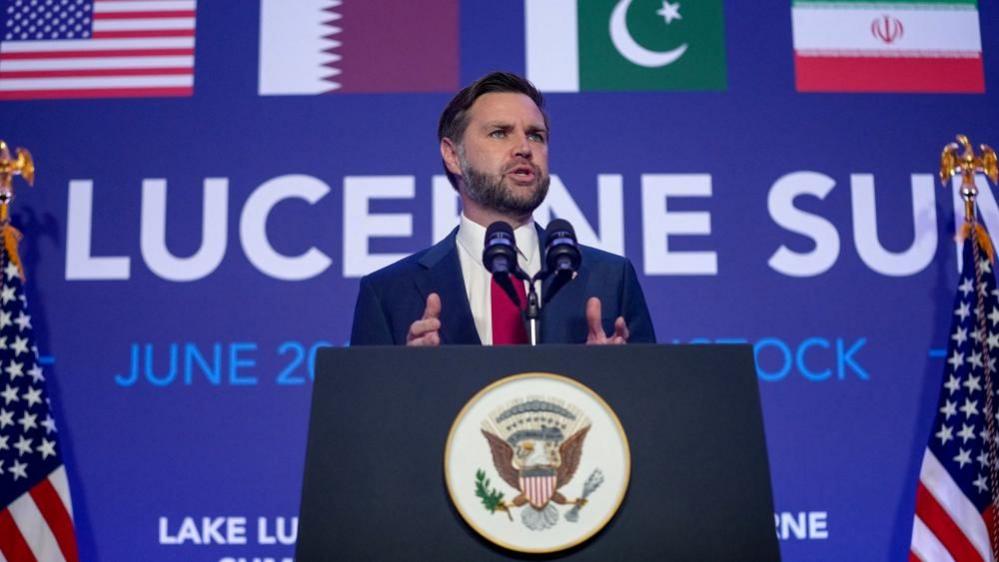
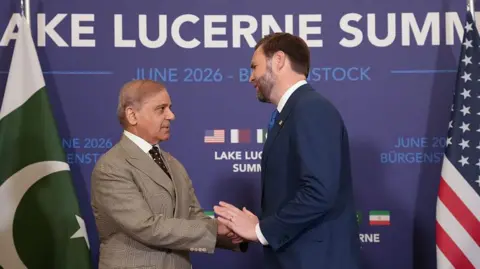
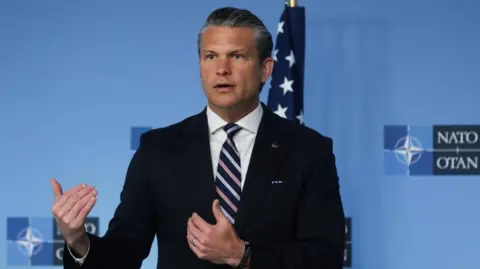
Meanwhile, the situation is further complicated by the uncertainty surrounding U.S. President Trump’s 20-point peace plan, which had initially ceased hostilities in October of the previous year. Recent discussions at the UN Security Council regarding the decommissioning of weapons by Palestinian armed groups have been met with skepticism, particularly from Hamas, whose leaders are expected to reject any proposals linked to disarmament.
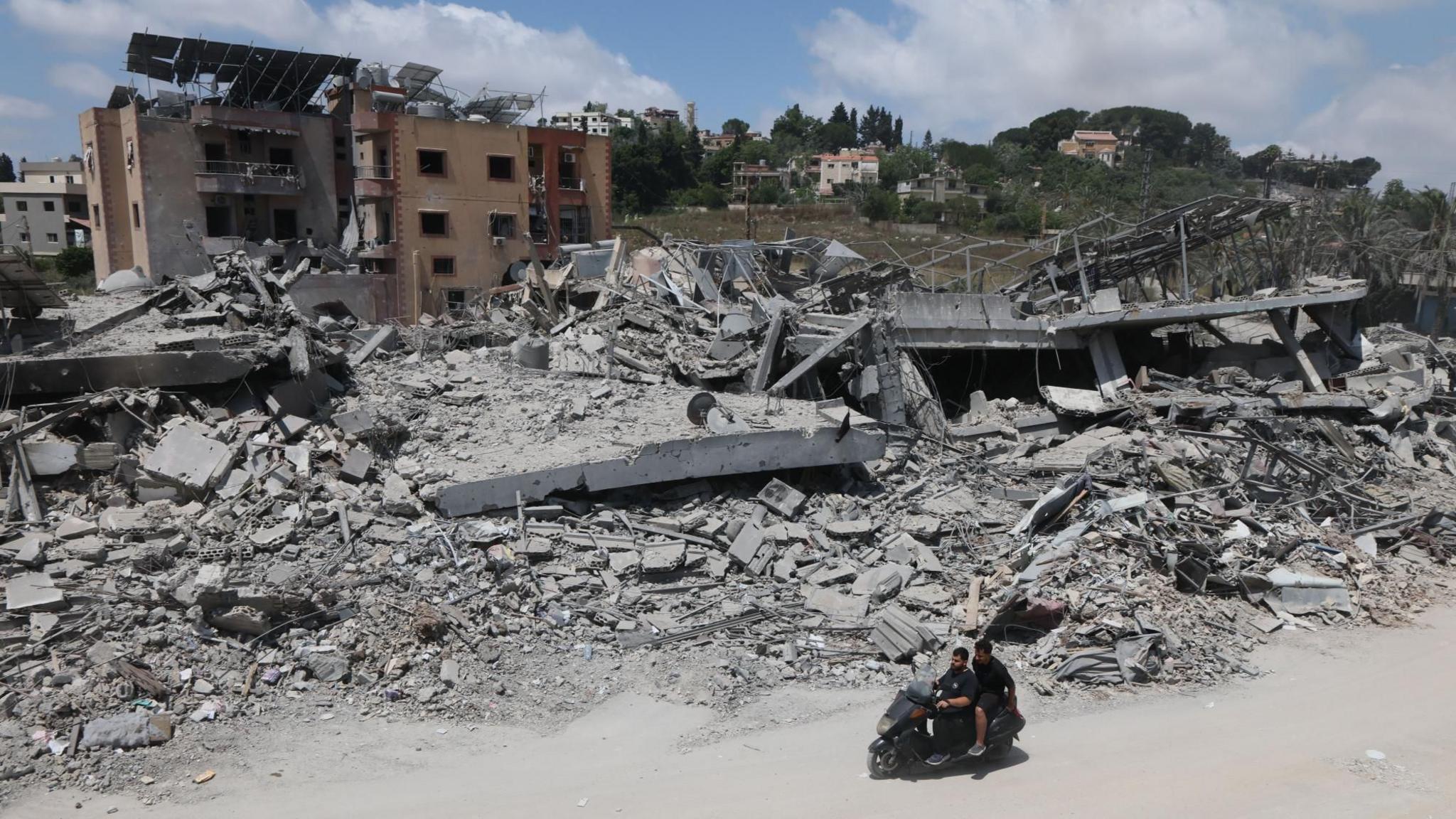
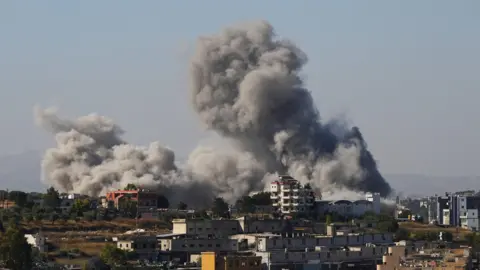
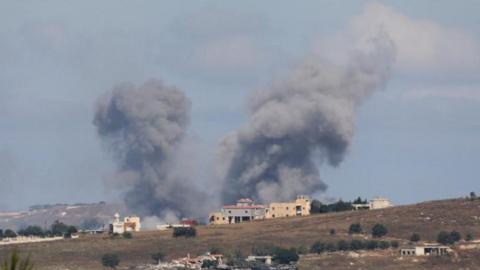
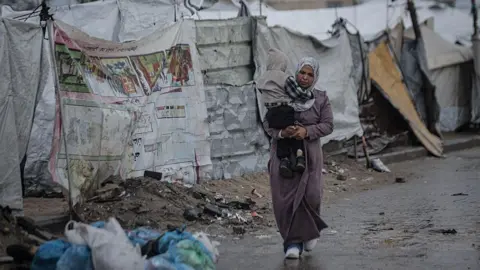
Despite a ceasefire, Israeli airstrikes have resumed in Gaza, contributing to the loss of life, including civilians. Humanitarian efforts are hampered by restrictions on construction materials, raising concerns about the potential for rebuilding the devastated infrastructure. As heavy rains exacerbate the situation, overflowing sewage systems have become another alarming issue for displaced residents living in makeshift camps.
Amid the geopolitical turbulence, a significant shift in local governance is being observed as Hamas appears poised to reassert its authority over Gaza, even as a new technocratic committee has been established for interim governance. This development fuels further concern about stability in the region, as local voices call for peace amidst escalating frustrations with the prolonged crisis.
As Gaza navigates these treacherous waters, community leaders and humanitarian organizations emphasize the urgent need for a shift in focus back to the humanitarian crises at play, advocating for sustainable support and reconstruction that address the urgent needs of the people in the region.
What does the war between Iran and Israel have to do with us? Prices have doubled here. Goods aren't coming in like before, reflects local shopper Hassan Faqawi, highlighting the stark realities faced by the people of Gaza.
Meanwhile, the situation is further complicated by the uncertainty surrounding U.S. President Trump’s 20-point peace plan, which had initially ceased hostilities in October of the previous year. Recent discussions at the UN Security Council regarding the decommissioning of weapons by Palestinian armed groups have been met with skepticism, particularly from Hamas, whose leaders are expected to reject any proposals linked to disarmament.
Despite a ceasefire, Israeli airstrikes have resumed in Gaza, contributing to the loss of life, including civilians. Humanitarian efforts are hampered by restrictions on construction materials, raising concerns about the potential for rebuilding the devastated infrastructure. As heavy rains exacerbate the situation, overflowing sewage systems have become another alarming issue for displaced residents living in makeshift camps.
Amid the geopolitical turbulence, a significant shift in local governance is being observed as Hamas appears poised to reassert its authority over Gaza, even as a new technocratic committee has been established for interim governance. This development fuels further concern about stability in the region, as local voices call for peace amidst escalating frustrations with the prolonged crisis.
As Gaza navigates these treacherous waters, community leaders and humanitarian organizations emphasize the urgent need for a shift in focus back to the humanitarian crises at play, advocating for sustainable support and reconstruction that address the urgent needs of the people in the region.