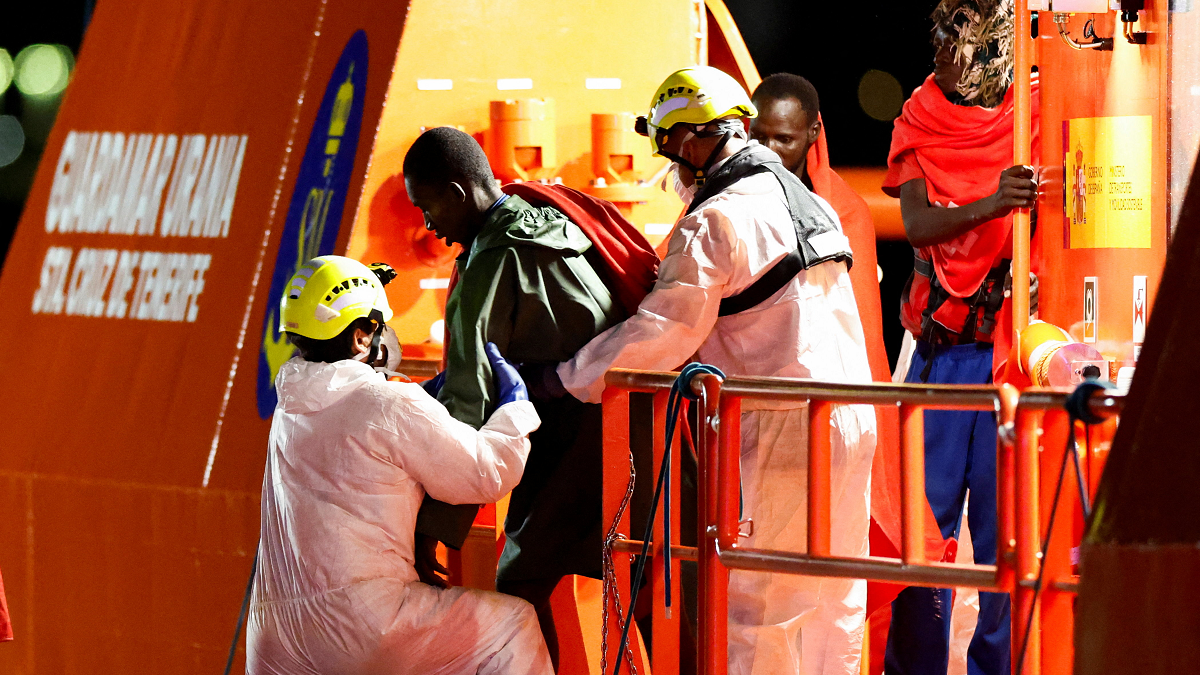
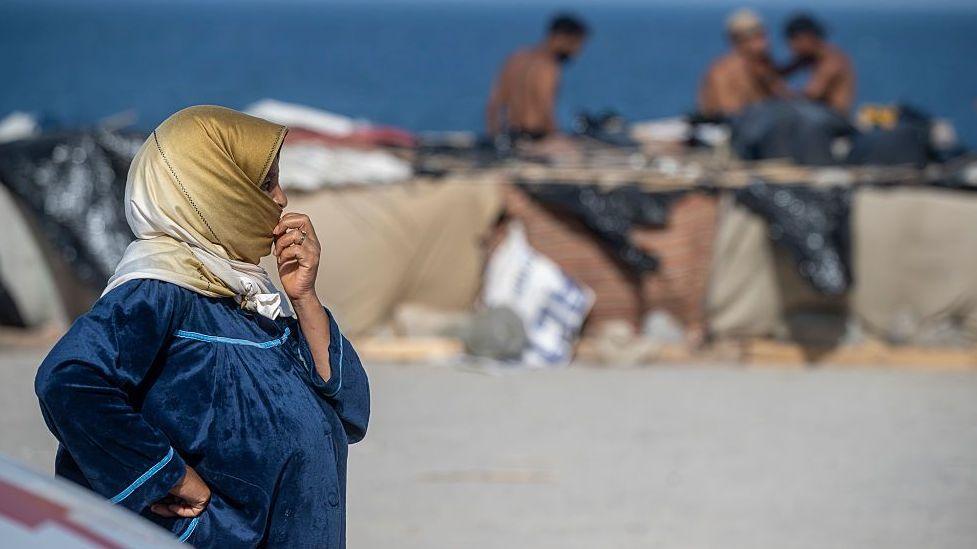
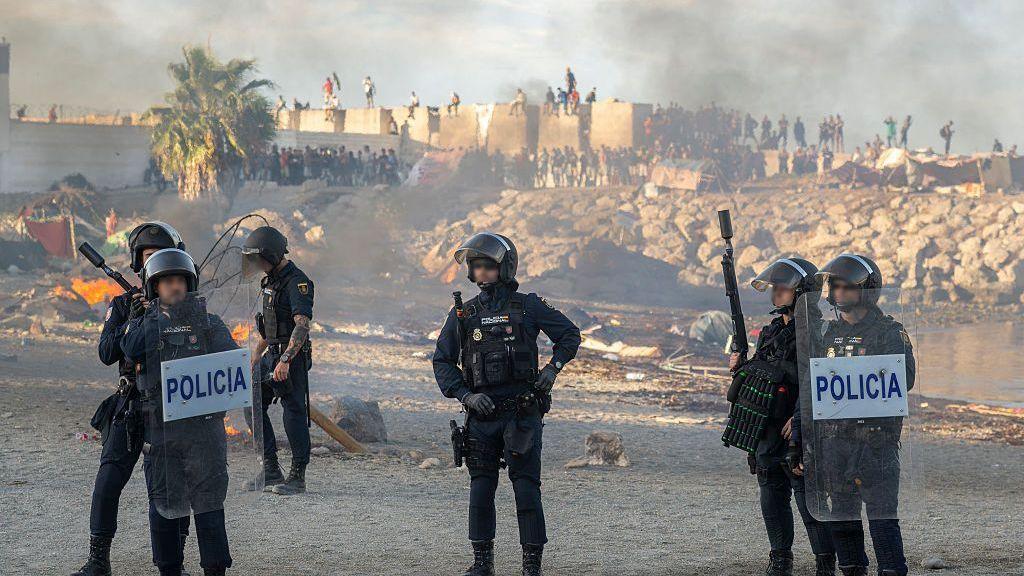
An unprecedented mass of migrants crossed the small Spanish enclave of Ceuta on 30 July, with official estimates hovering around 60,000 individuals. The surge triggered a sudden spike in fatalities, bringing the death toll to at least 67.
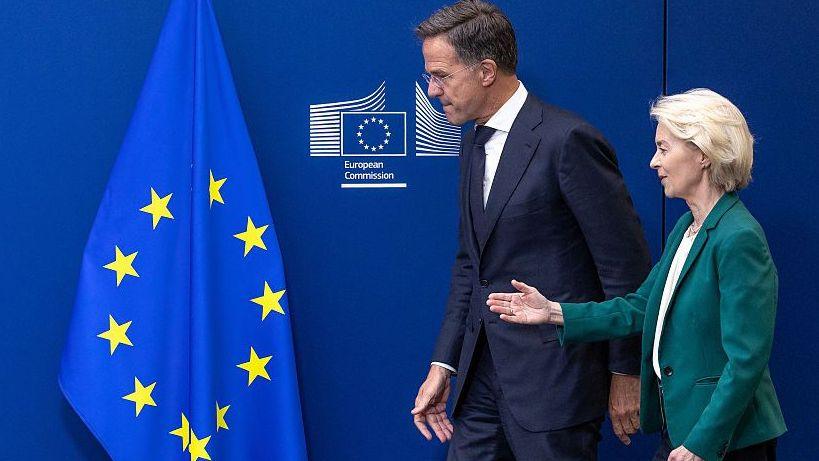
In response, the European Union convened an emergency meeting. A joint letter, signed by 22 member states, called for an urgent strategy to strengthen EU external borders and cautioned that the rapid influx could erode trust in common migration rules.
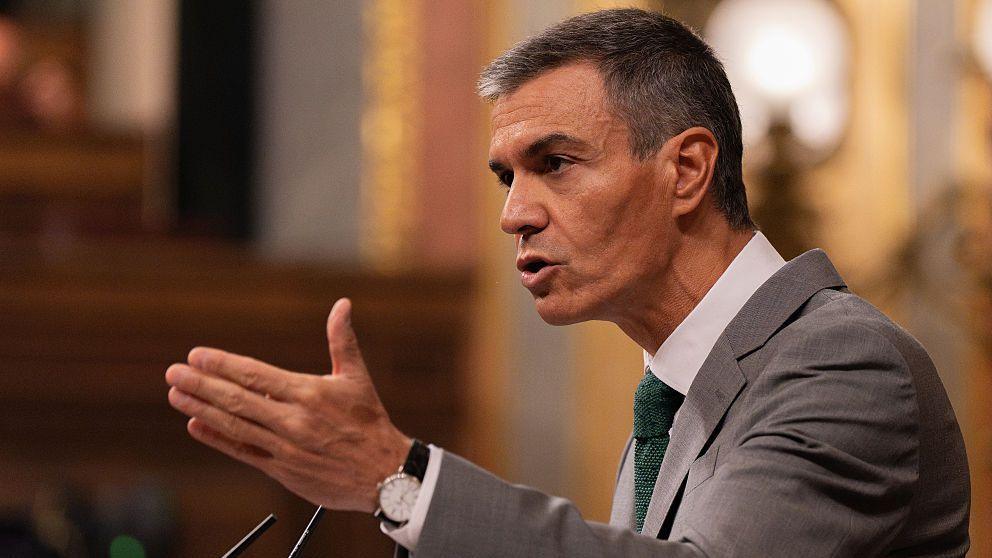
Spain’s government condemned what it described as a “selfish” reaction to the crisis. The country said it had re‑established control over the border within two days, preventing further movement toward continental Europe.
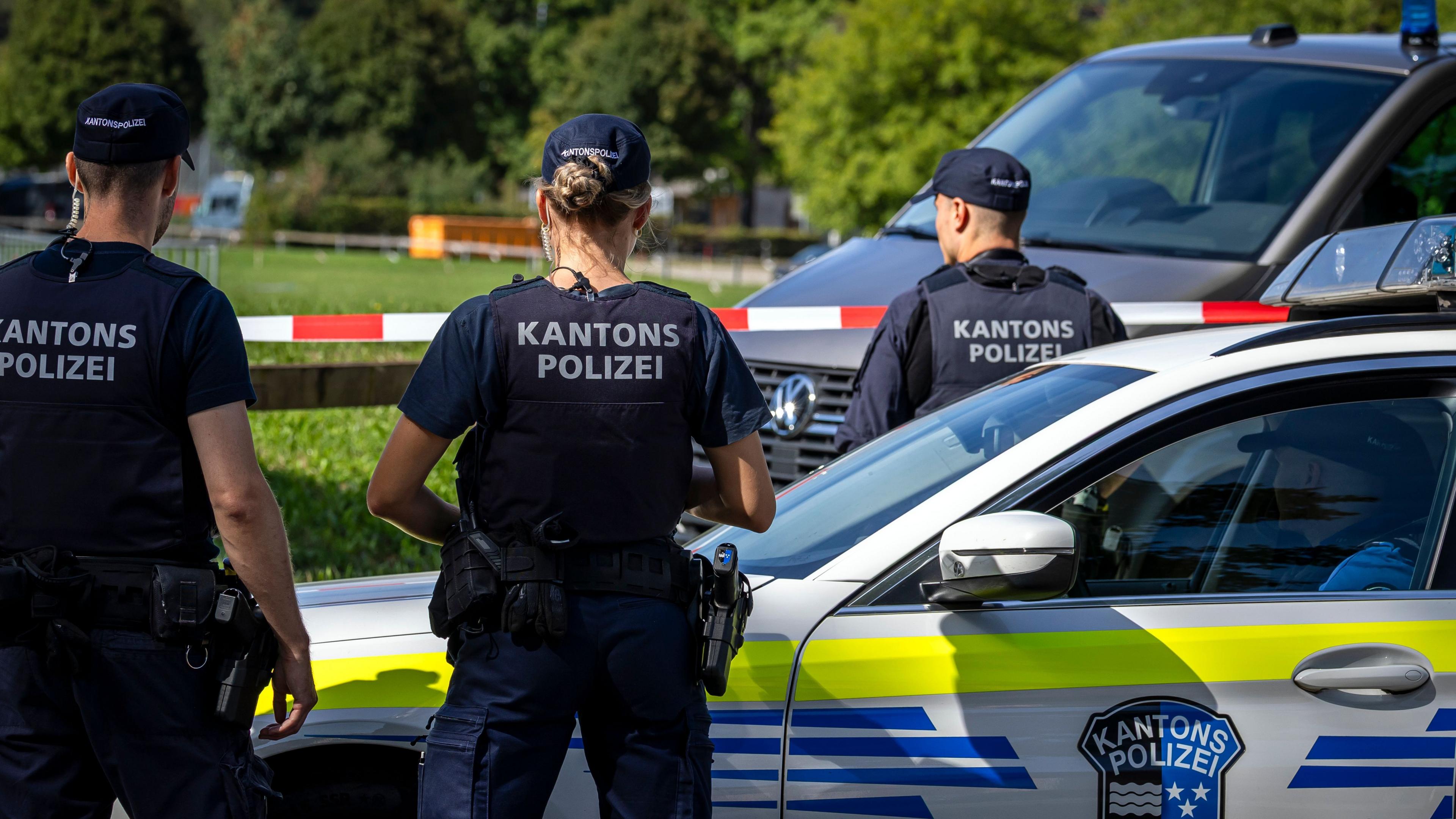
Italy reacted by suspending its Schengen cooperation with Spain, a step supported by Finland and Denmark. The move indicates a growing debate over the balance between the free‑movement ethos of Schengen and the practical need for protective checks at the EU’s frontiers.
Spanish Interior Minister Fernando Grande‑Marlaska announced that most of the migrants had already returned, and that the enclave’s businesses were reopening. A defensive strategy involving an inflatable water barrier has been proposed to curb future illegal crossings.
The episode underscores why Ceuta remains a flash‑point for migration – it is one of the only EU territories bordering mainland Africa. The rapid rhythm of arrivals during summer months, often coordinated via social‑media networks, demonstrates the persistent demand for the European route.
At the heart of the debate is the question of whether the Schengen acquis, which eliminates border checks between member states, can be reconciled with the need for external frontier safeguards. As EU leaders deliberate a coordinated response, the crisis may force a re‑evaluation of border‑control policies across the Union, with implications for migration, security and the rule of law.