In brief
In the early hours of last Friday, a coordinated burglary at the Villena Museum in Alicante burglarised a trove of almost ten kilograms of Bronze‑Age gold, bowls, and bracelets. The thieves entered through a diversion at the local sports centre, triggering the museum’s alarm a few minutes later, and seized the unique artifacts in less than four minutes. The heist has highlighted vulnerabilities in European museum security, especially after similar incidents at the Louvre and other institutions. The local council and mayor have condemned the loss, citing the significance of the treasure to the town’s heritage.
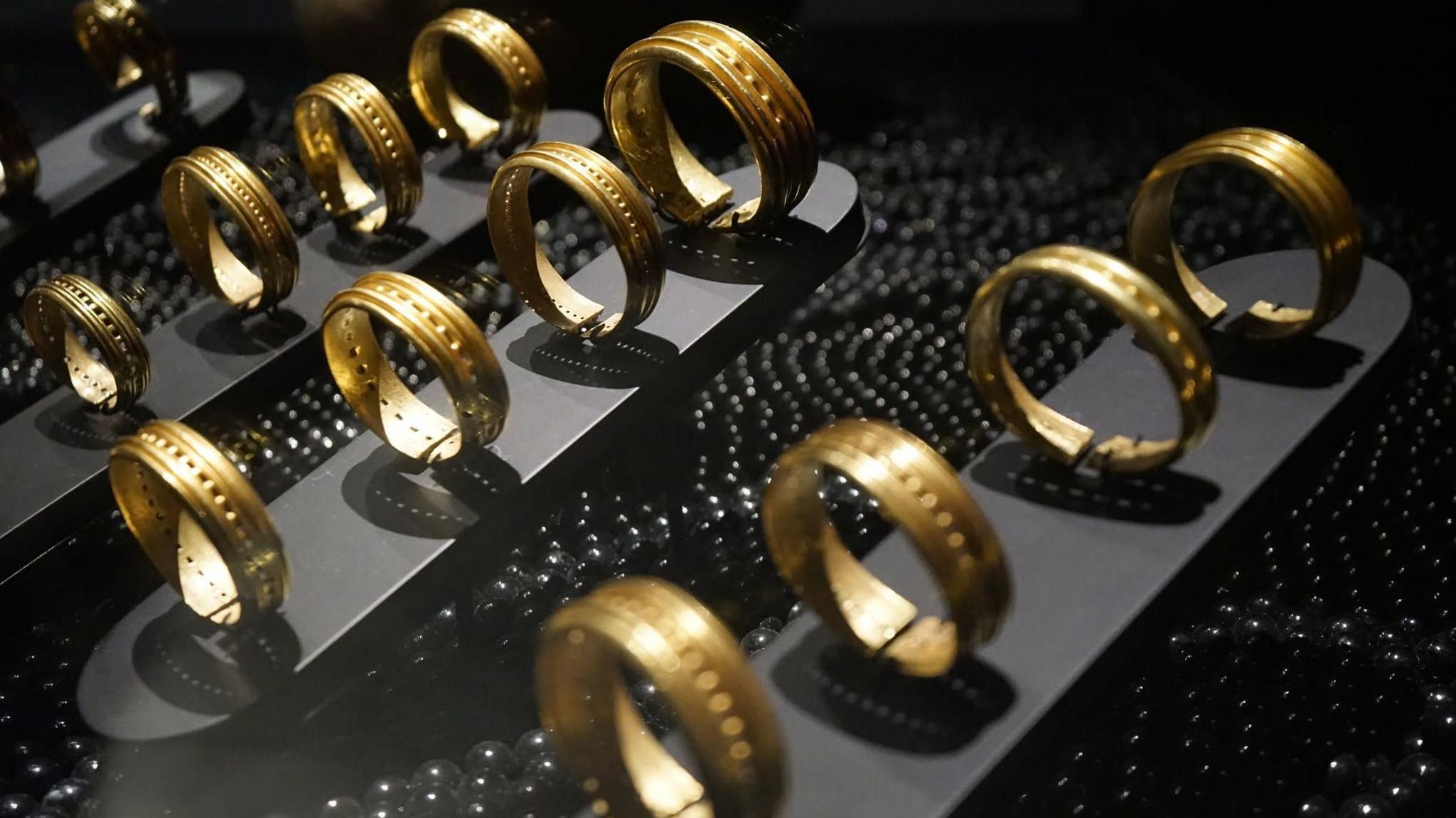
The Villena Museum in the Spanish province of Alicante has been the victim of a swift and sophisticated robbery. In the early hours of Friday, thieves entered the museum, which houses the unique Treasure of Villena – a trove of almost ten kilograms of Bronze‑Age gold, bowls, bottles and bracelets – and took the gold items in less than four minutes.
The operation was carried out during a diversion: at around 05:15 local time the alarms at the nearby sports centre sounded, drawing police away from the museum. Around 05:20 the museum’s own alarm triggered, giving the thieves a short window before officers arrived. The thieves used the window to pick up a large portion of the collection, including gold rings, bowls and bracelets.
“The city is devastated,” said Mayor Fulgencio Cerdán. "They've taken most of the treasure. It's part of our heritage, of our wealth.” The gathering’s roster included about 60 Bronze‑Age objects, totaling 29 bracelets, 11 bowls and three bottles.
While security systems were activated and the museum was inspected for breaches, the police say no failure on the museum’s part was noted. The thieves took advantage of the museum’s exhibit layout, which displays the gold in a series of clearly identified frames.
The incident joins a series of recent museum heists across Europe. Earlier this year, an eight‑minute robbery at the Louvre in Paris stole jewellery worth £75 million. A week ago, precious works by Antonello da Messina were taken from a Sicilian museum, and earlier this month, Renoir, Cezanne and Matisse paintings were recovered from the Magnani‑Rocca Foundation museum near Parma.
The Villena collection was originally discovered in 1963 by archaeologist José María Soler in a vessel found in a dried-out riverbed. The gold items date back to around 1,000 BC, offering a window into Iberian artisanship of the era.
With security experts debating the best response to such thefts, the incident has reignited the conversation about protecting cultural heritage sites through advanced surveillance, networked alert systems, and potential quantum‑based data analysis for rapid risk detection.
In light of the theft, the town’s officials call for increased funding for museum security and suggest collaborative efforts across cities to share best practices to prevent similar incidents in the future.