
In brief
On 4 August a drone carrying a suspected explosive was found near Ukrainian cargo flights at Leipzig/Halle Airport, and German authorities say the incident is part of a Russian “hybrid” campaign. Interior Minister Alexander Dobrindt ruled it a Russian operation and warned of future attacks. In response, the German foreign minister ordered the closure of the Russian consulate and the Russian House in Berlin, tightened entry rules for Russian nationals and is pressuring Moscow’s shadow‑fleet of tankers. Russia has denied involvement, and Moscow’s spokesperson promised a “mirror‑image” reaction. NATO, the EU and Poland have issued statements of solidarity for Germany amid rising regional tensions. The incident highlights the broader threat environment that Germany sees as it prepares for internal elections and opposition gains.
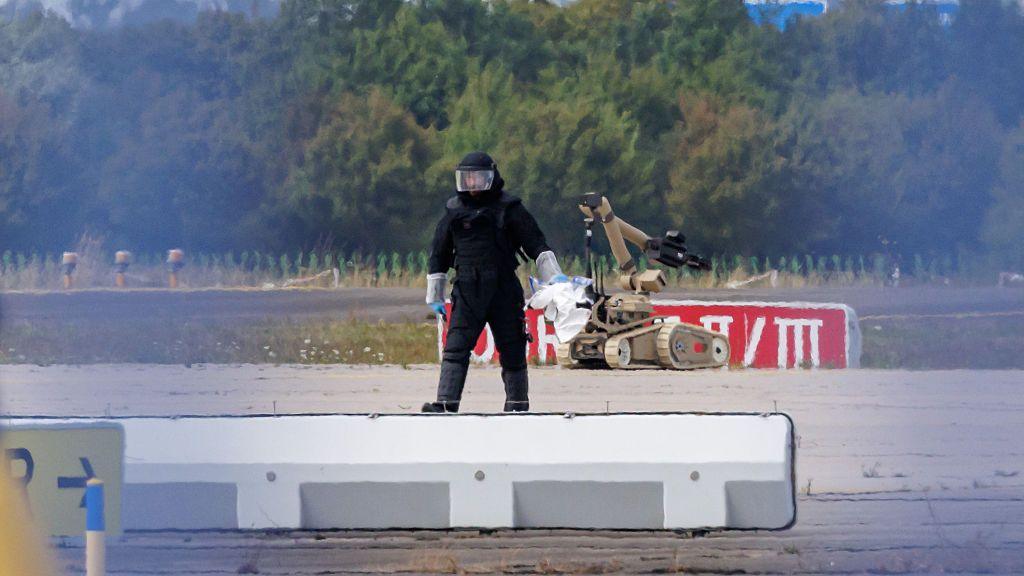
On 4 August a drone carrying an explosive device was discovered on the tarmac of Leipzig/Halle Airport, close to Ukrainian cargo planes, and the German interior ministry has said the incident was part of a Russian hybrid campaign. The drone failed to explode because the detonator was faulty, and investigators suspect a second drone collided with a nearby cargo aircraft. A third drone was reportedly found near the airport ten days later.
Interior Minister Alexander Dobrindt framed the event as following a “well‑established pattern of Russian hybrid operations in Europe” and warned that Germany would be targeted again. Russian President Vladimir Putin dismissed the accusations as baseless, and the Russian embassy in Berlin called the allegation “absurd” and a fabrication.
Opposition, German Foreign Minister Johann Wadephul acted swiftly, ordering the closure of Russia’s consulate in Bonn and the termination of the Russian House in Berlin—sites widely used for espionage and propaganda. He also announced tighter entry controls for Russian nationals and vowed to increase pressure on Moscow’s shadow fleet of tankers that circumvent Western sanctions. Wadephul summoned Russia’s ambassador, Sergei Nechayev, to Berlin shortly after the press conference.
Russian Foreign Ministry spokesperson Maria Zakharova said Moscow would respond in a “mirror‑image” fashion and described the German measures as an “unprecedented escalation in Russian‑German relations”. Zakharova accused Berlin of sponsoring terrorism in reference to its support for Ukraine.
The Leppig/Halle Airport, used by Germany and NATO allies for military logistics and hosting Ukraine’s Antonov cargo flights, has been on a growing list of sites that have seen drone sightings over the past year. The German government has warned that its country is a “daily target” of hybrid warfare, and Chancellor Friedrich Merz has said those who attack Germany will face consequences.
NATO’s Secretary‑General Mark Rutte responded on X, stating “The evidence is clear. And I welcome the measures announced by Germany in response.” EU Commission President Ursula von der Leyen also wrote on X, noting the EU is preparing additional sanctions against Russia.
The incident comes at a politically sensitive time for Germany, with a state election in Saxony‑Anhalt where a far‑right party could gain power for the first time, and internal calls for tougher security are high. Critics of the German government's approach argue that the measures so far are insufficient and that Moscow may laugh at the summons of its ambassador. The potential political shift could influence future foreign policy, especially regarding support for Ukraine.
In separate news, German police are investigating improvised explosive and incendiary devices found at a power substation in Brandenburg, which caused a temporary outage. No suspects have been identified yet.

