The nation’s small, split echoing the weight of the world outside. Iceland’s 400,000‑strong electorate was called to the polls on Saturday to decide whether to resume talks on joining the European Union. With polls in the 51%‑to‑49% range, the result could tug the country into a far‑reaching economic databank and alter longstanding sovereignty over the world’s fish‑rich blue waters.
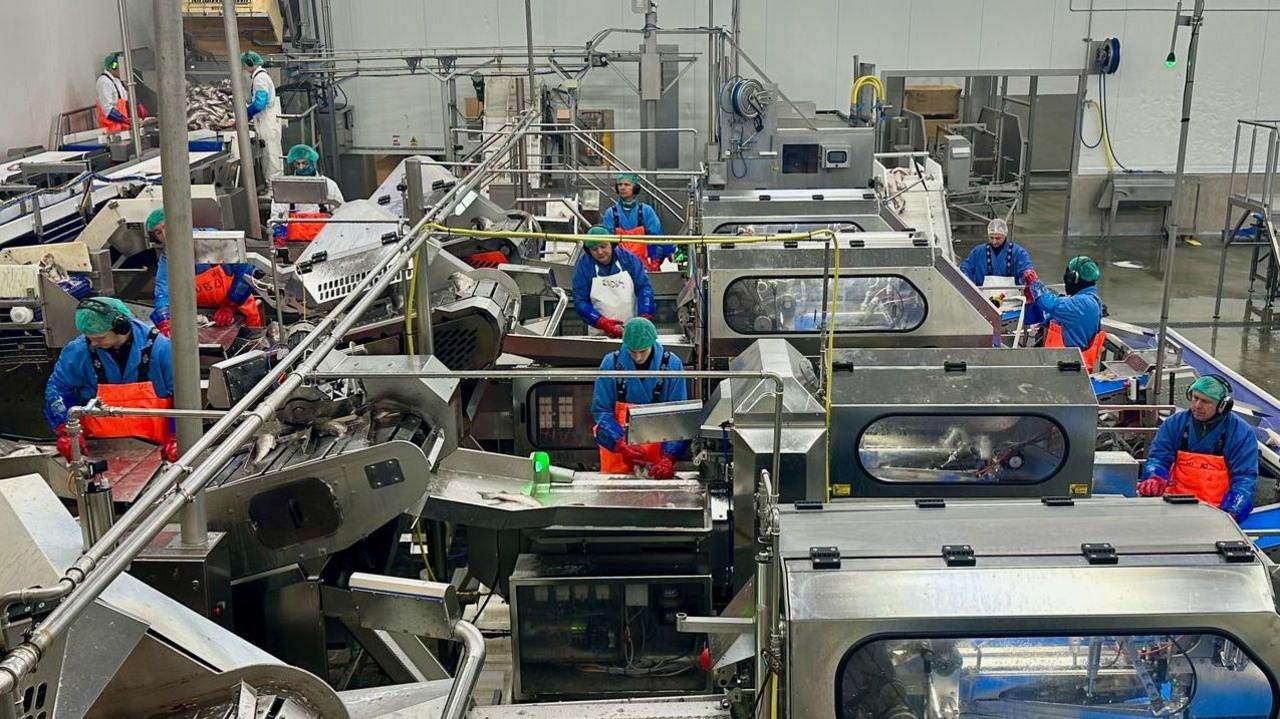
Fish and Politics – Inside a waterfront factory where cod and haddock are sorted, workers argue the future of an industry that accounts for almost 40% of Iceland’s exports. Visir betting boss Pétur Pálsson warned that EU policy would come from Brussels, not Reykjavik, and that jobs could be moved overseas. The question is whether the Marine Trade is worth the bureaucratic thumbprint of the EU’s Common Fisheries Policy.
Geopolitics and Security – Iceland sits on the GIUK gap, a strategic choke point watched by western navies as Russian skiffs pass through its exclusive zone. The nation has no military force; it depends on NATO and an 1951 defence pact with the United States. The looming possibility of the United States claiming Greenland—only a short hop away—flew into the country’s collective consciousness.
Prime Minister Kristrún Frostadóttir said she had pledged to hold a referendum by 2027, a promise hastened by sharper trade wars, a Russian Arctic surge and the memory of the 2008 financial crash that stranded the country in the single market without EU membership. “A new chapter could be started in months,” she told the BBC, noting that 11 of 35 negotiation areas had already been finalised when talks shut down in 2013.
While the Yes side, connected to the Liberal Reform Party, highlights economic gains and aligns with the EU’s stability, the No campaign insists at a cost of sovereignty and a loss of control over fish‑rich waters. “No member state has been granted a permanent opt‑out,” warned the head of the Farmers' Association, reminding Icelanders that the EU works for a 450‑million‑people market rather than a 400‑thousand‑people island.
The referendum result will inform not only Iceland’s future but also neighbour Norway, which has maintained a similar referendum stance. A Yes vote will spark negotiations with Brussels and potentially bring an extra pillar to the EU’s security umbrella; a No vote could be feel as a lost opportunity for stability and innovation. As the world watches, Iceland wrestles with whether a shared flag can erase the island’s identity or extend its reach into a future built on common policy.
In the end, the question remains whether the decision will shoo the nation into a larger power structure and open a new era of trade and governance, or leave its lucrative fishing lanes untethered and its politics independent.