Thirty-seven sick and wounded Palestinians crossed from Gaza into Egypt for medical treatment after the Rafah border crossing reopened for the first time in eight months. The World Health Organization (WHO) reported that the group included 34 children and three adults, accompanied by 39 caregivers. This development followed a ceasefire agreement between Hamas and Israel, which facilitated the reopening of the key gateway that had been closed since May last year due to Israeli military control.
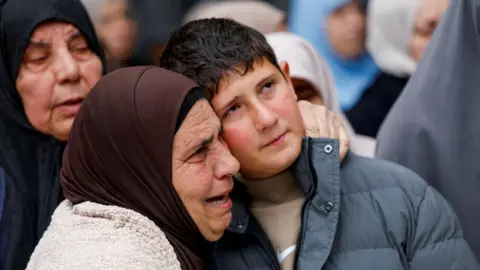
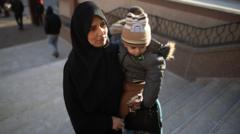
Emotional footage captured at the crossing depicted Palestinian children being transported on stretchers and in ambulances. One spokesperson for the evacuees, Mai Khader Abdul Ghani, expressed her long-awaited relief as her son, Moatasem Billah Rami Nabil Sammour, was granted crucial medical care after suffering from a rare autoimmune disease. Her excitement was palpable, noting, "Thank God that his name was included in the referral for treatment. I hope that his suffering comes to an end after receiving the appropriate treatment."
The situation remains dire as many patients, like Mohammed Abu Jalala's niece Lara, suffer severe injuries from the recent bombings. Lara had to undergo an amputation due to gangrene, while her other injured foot still requires extensive medical attention. These cases demonstrate the broader healthcare crisis faced by numerous individuals in the region.
Dr. Rik Peeperkorn of the WHO described the evacuation process as careful and methodical, highlighting that ambulances were transporting patients based on their mobility status. He noted that approximately 14,000 people in Gaza require medical treatment not available within the territory, with many suffering from injuries linked to ongoing violence, as well as chronic diseases, underscoring the urgency of the situation.
This reopening of the Rafah crossing aligns with increasing efforts from international entities. The European Union has deployed a monitoring mission to support the border personnel and facilitate the movement of individuals out of Gaza who need medical care. With over 47,000 reported fatalities in the ongoing military operations, the need for medical aid remains critical.
The border crossing incident is one of several recent humanitarian exchanges associated with a series of hostage releases, reflecting tense negotiations between Hamas and Israeli authorities. As the world watches, the need for medical assistance in Gaza continues to grow, underscoring the desperate human toll of the prolonged conflict.