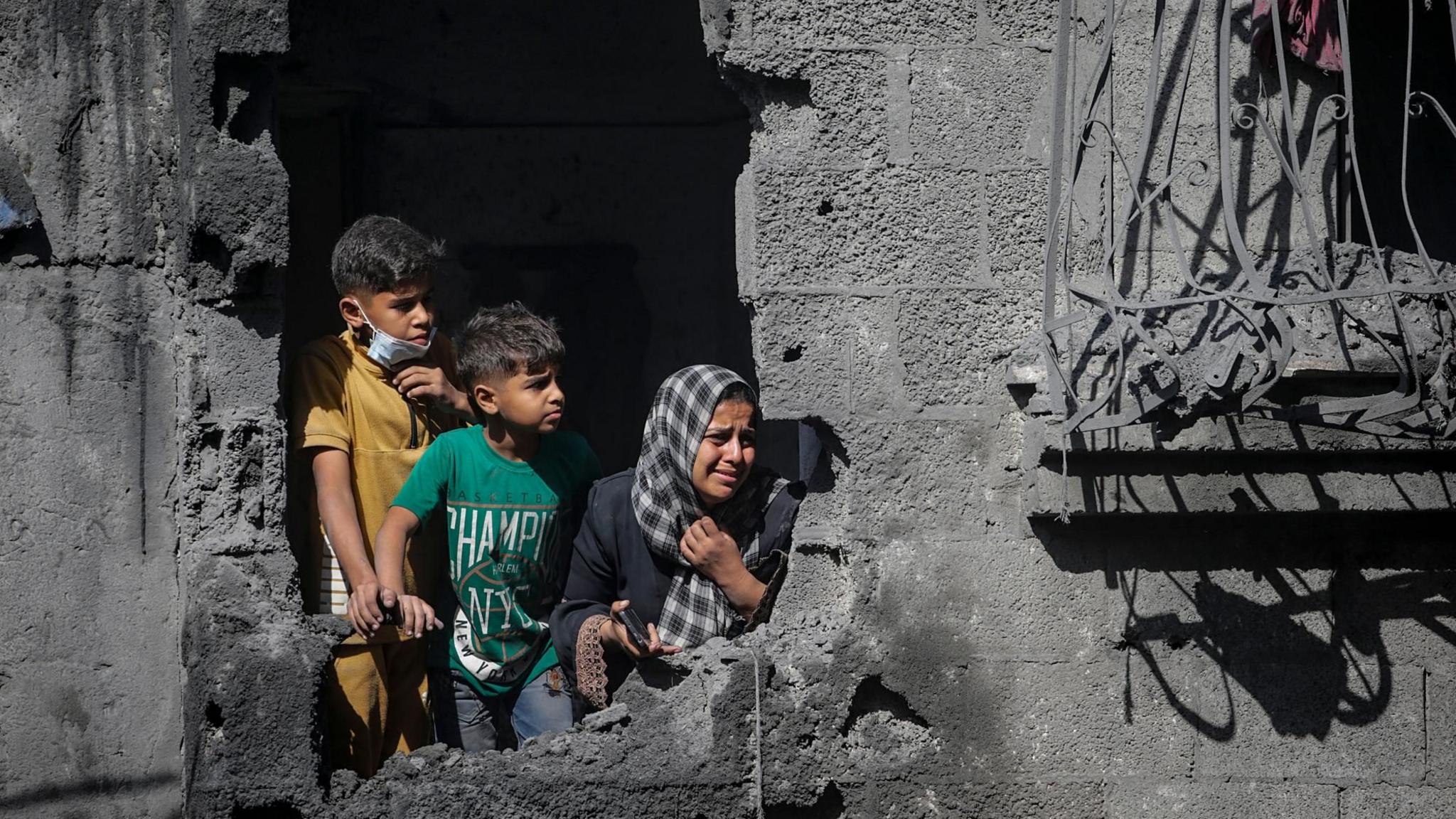
NEW YORK (AP) — A significant immigration enforcement campaign launched by the previous administration has disproportionately affected individuals involved in pro-Palestinian activism in the U.S. college landscape. This crackdown has led to the detention and deportation of several students and activists across multiple campuses.
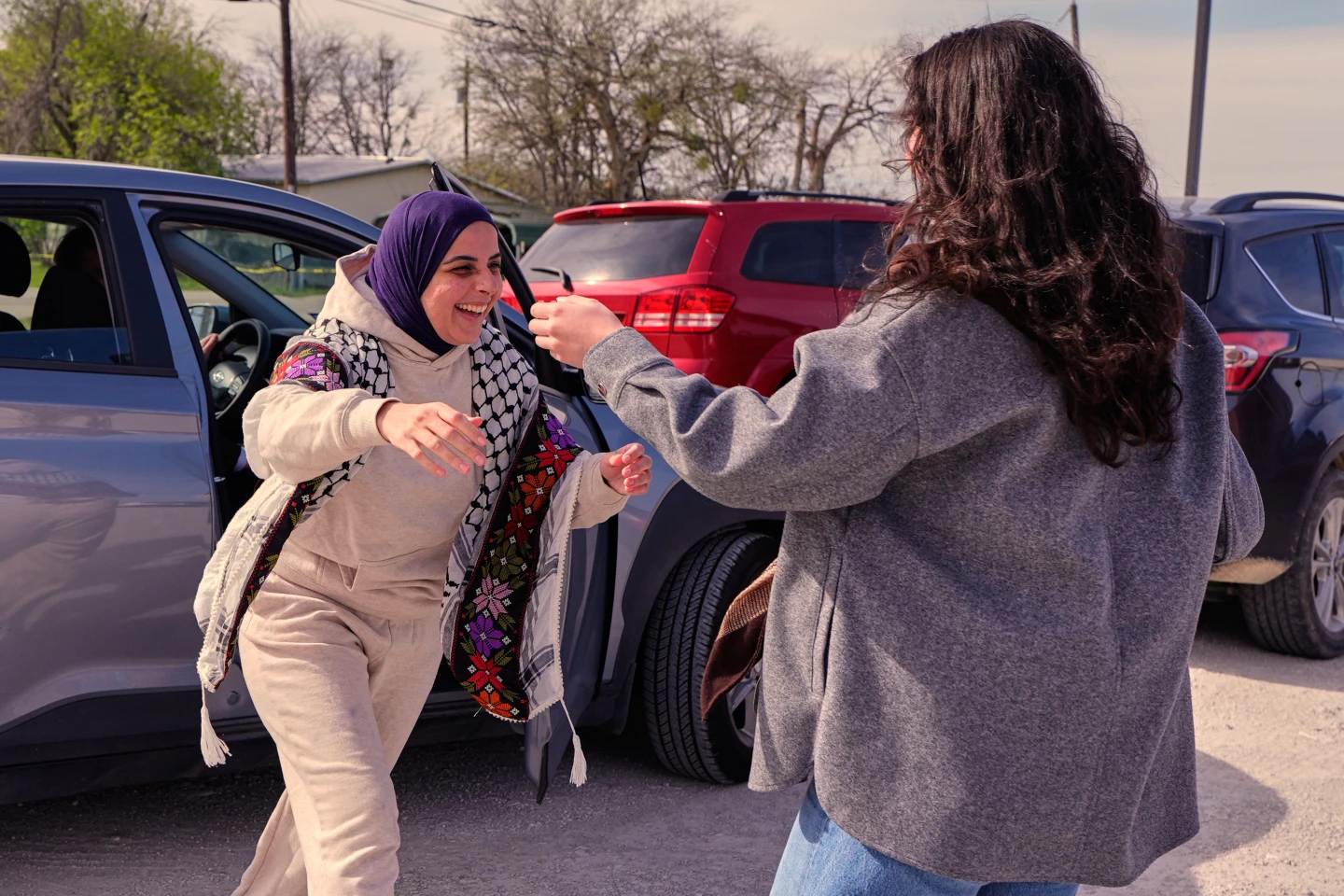
The most recent case involves Leqaa Kordia, a Palestinian woman who was released after being held since March 13, 2025. She was arrested during a routine immigration check in New Jersey, linked to her participation in protests deemed 'pro-Hamas' by federal authorities. Despite not being a widely known activist, her situation exemplifies the chilling effects of political protest on immigration status.
While Kordia's release from detention is welcomed, her immigration case remains unresolved as authorities continue to pursue allegations of overstaying her visa, casting a shadow over her future in the U.S.
Similar fates have befallen other activists, including Mahmoud Khalil, a Syrian-born resident and vocal critic of Israeli policies, who experienced a prolonged detention of 104 days before his release in June 2025. Khalil’s case underscores the complexities of freedom of speech, particularly in a charged political environment; the government has sought to link his activism to antisemitism and terrorism, despite his insistence on supporting Palestinian rights as distinct from Hamas.
The ongoing plight of other activists, like Badar Khan Suri from Georgetown University and Rümeysa Öztürk from Tufts University, showcases a broader trend where individuals expressing political dissent in academia face legal repercussions. Their arrests and the reasons cited—ranging from familial ties to Gaza to critical opinions published in student newspapers—highlight a potential infringement on free expression...