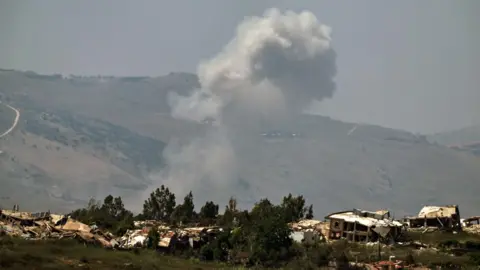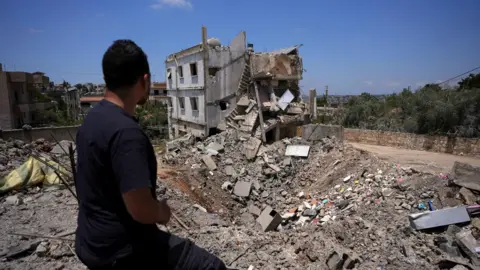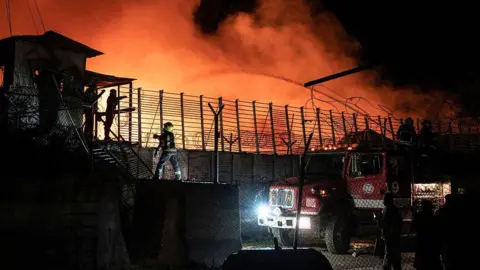
Dozens of people are feared dead or injured at a drug treatment center in Afghanistan's capital after an airstrike that the Taliban government blamed on Pakistan. The hospital in Kabul was struck on Monday evening, resulting in fatalities and numerous injuries, as noted by the government's spokesman on X.
Pakistan has denied targeting any health facility, asserting that its operations focused solely on military installations and terrorist support infrastructure in Kabul and Nangahar province.
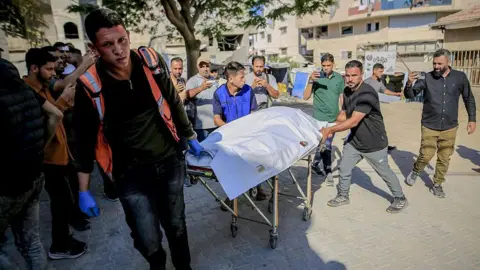
The BBC's recent visit to the hospital revealed more than 30 bodies being transported on stretchers from the smoldering site. Officials indicated that approximately 2,000 individuals were being treated at the center at the time, raising fears of a significant death toll.
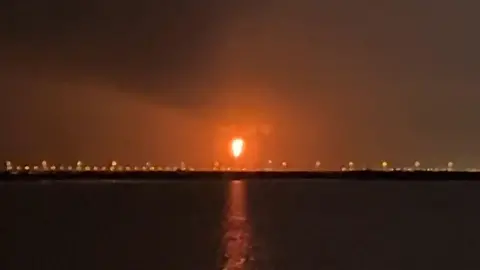
The Afghan health ministry's spokesman, Sharafat Zaman Amarkhail, emphasized that there were no military facilities in proximity to the hospital where the attack occurred. Residents reported experiencing loud explosions around 20:50 local time, followed by the sounds of aircraft and air defense systems.
Family members gathered outside the hospital, anxiously seeking information on their loved ones who were receiving treatment. A Taliban spokesperson claimed the death toll could be as high as 400, although these figures remain unverified.
Pakistan's information ministry characterized its strikes as precise and conducted to avoid collateral damage, dismissing Afghanistan's claims as a misrepresentation aimed at inciting public sentiment and masking support for cross-border terrorism.
This incident intensifies the ongoing conflict between Afghanistan and Pakistan, which has seen renewed tensions since February, when both sides accused the other of harboring militant groups. Since then, at least 75 people have been reported killed and 193 wounded due to continued cross-border firefights, according to the United Nations Assistance Mission in Afghanistan (UNAMA).
China has also weighed in on the situation, urging both nations to maintain calm and engage in dialogue, emphasizing the urgent need for a ceasefire.
Pakistan has denied targeting any health facility, asserting that its operations focused solely on military installations and terrorist support infrastructure in Kabul and Nangahar province.
The BBC's recent visit to the hospital revealed more than 30 bodies being transported on stretchers from the smoldering site. Officials indicated that approximately 2,000 individuals were being treated at the center at the time, raising fears of a significant death toll.
The Afghan health ministry's spokesman, Sharafat Zaman Amarkhail, emphasized that there were no military facilities in proximity to the hospital where the attack occurred. Residents reported experiencing loud explosions around 20:50 local time, followed by the sounds of aircraft and air defense systems.
Family members gathered outside the hospital, anxiously seeking information on their loved ones who were receiving treatment. A Taliban spokesperson claimed the death toll could be as high as 400, although these figures remain unverified.
Pakistan's information ministry characterized its strikes as precise and conducted to avoid collateral damage, dismissing Afghanistan's claims as a misrepresentation aimed at inciting public sentiment and masking support for cross-border terrorism.
This incident intensifies the ongoing conflict between Afghanistan and Pakistan, which has seen renewed tensions since February, when both sides accused the other of harboring militant groups. Since then, at least 75 people have been reported killed and 193 wounded due to continued cross-border firefights, according to the United Nations Assistance Mission in Afghanistan (UNAMA).
China has also weighed in on the situation, urging both nations to maintain calm and engage in dialogue, emphasizing the urgent need for a ceasefire.