A Palestinian official in the occupied West Bank has described Israel's latest expansion of control there as the end of the road for negotiations between Israelis and Palestinians.
Asma al-Sharabati, acting mayor of Hebron, said new legal changes recently announced by Israeli cabinet ministers would leave Palestinian authorities shut out of decisions on urban planning and development, even in areas under Palestinian control.
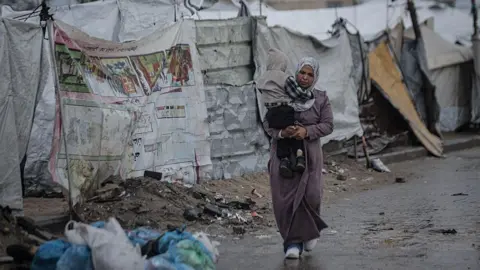
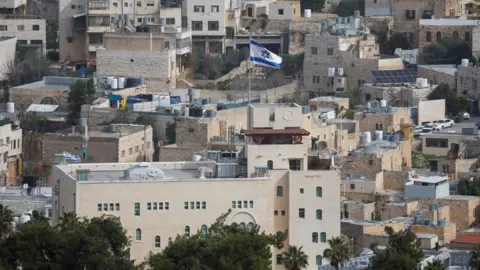
Hebron is a regular flashpoint in the West Bank - a divided city, where soldiers guard hundreds of Israeli settlers living alongside Palestinians in an Israeli military garrison.
On Sunday, the Israeli security cabinet passed major changes to the established division of powers in the West Bank, set up three decades ago under the US-backed Oslo Accords, signed by both Israeli and Palestinian leaders. They include expanding Israeli control beyond its military occupation, into the provision of municipal services in Palestinian-run areas, as well as broad powers to take over so-called heritage sites across the West Bank – to protect water, environmental and archaeological resources, they say.
The changes will also see Israel take over planning authority at the Cave of the Patriarchs in Hebron, one of the holiest sites in Judaism, which sits inside the city's Ibrahimi Mosque. Al-Sharabati warned that these new measures would allow Israel to claim buildings and declare them ancient, entirely excluding Palestinian authorities from any decisions about urban planning or development in the area.
Living in the H2 area where Israeli settlers coexist with Palestinians, activist Issa Amro expressed concern that the changes signal a shift from occupation to annexation, emphasizing that the new laws will enshrine current actions in legality, stripping away rights for the Palestinian population.
The international community's response has been muted despite these developments, with Palestinian President Mahmoud Abbas expressing frustration over the disruption of peace efforts and requesting a firm response from the US government. Meanwhile, as Washington navigates a complex political landscape, continued expansion of Israeli authority in Hebron threatens the broader goals for peace in the region.
Asma al-Sharabati, acting mayor of Hebron, said new legal changes recently announced by Israeli cabinet ministers would leave Palestinian authorities shut out of decisions on urban planning and development, even in areas under Palestinian control.
Hebron is a regular flashpoint in the West Bank - a divided city, where soldiers guard hundreds of Israeli settlers living alongside Palestinians in an Israeli military garrison.
On Sunday, the Israeli security cabinet passed major changes to the established division of powers in the West Bank, set up three decades ago under the US-backed Oslo Accords, signed by both Israeli and Palestinian leaders. They include expanding Israeli control beyond its military occupation, into the provision of municipal services in Palestinian-run areas, as well as broad powers to take over so-called heritage sites across the West Bank – to protect water, environmental and archaeological resources, they say.
The changes will also see Israel take over planning authority at the Cave of the Patriarchs in Hebron, one of the holiest sites in Judaism, which sits inside the city's Ibrahimi Mosque. Al-Sharabati warned that these new measures would allow Israel to claim buildings and declare them ancient, entirely excluding Palestinian authorities from any decisions about urban planning or development in the area.
Living in the H2 area where Israeli settlers coexist with Palestinians, activist Issa Amro expressed concern that the changes signal a shift from occupation to annexation, emphasizing that the new laws will enshrine current actions in legality, stripping away rights for the Palestinian population.
The international community's response has been muted despite these developments, with Palestinian President Mahmoud Abbas expressing frustration over the disruption of peace efforts and requesting a firm response from the US government. Meanwhile, as Washington navigates a complex political landscape, continued expansion of Israeli authority in Hebron threatens the broader goals for peace in the region.