A recent global analysis from scientists at the World Health Organization (WHO) indicates that seven million of the world’s cancer cases each year are preventable. The report estimates that nearly 37% of all cancers stem from infections, lifestyle choices, and environmental pollutants—factors that can be modified or avoided.
The findings highlight the significance of preventive measures such as vaccination against human papilloma virus (HPV) to avert cervical cancers, and reducing tobacco exposure to mitigate other types of tumors.
Dr. Isabelle Soerjomataram, one of the researchers, noted that nearly four out of ten cancers could potentially be prevented, which is both surprising and encouraging. This potential to alter cancer outcomes underscores a powerful opportunity for health improvements on a global scale.
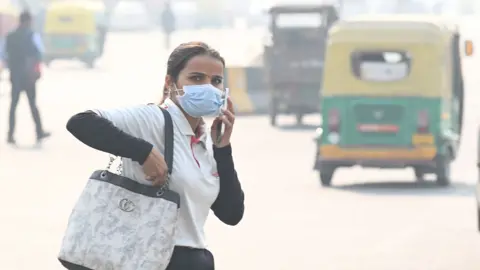
The report by the International Agency for Research on Cancer analyzed thirty known risk factors linked to cancer incidence. Among these, smoking, obesity, low physical activity, and environmental pollution were noted as significant contributors. Moreover, the study examined nine cancer-causing infections, including HPV and various hepatitis viruses linked to liver cancer.
Recent statistics reveal that smoking is responsible for 3.3 million cancer cases annually, while infections contribute 2.3 million and alcohol use accounts for approximately 700,000 cases. The study’s analysis spanned data from 2022 and risk factors from ten years prior across 185 countries.
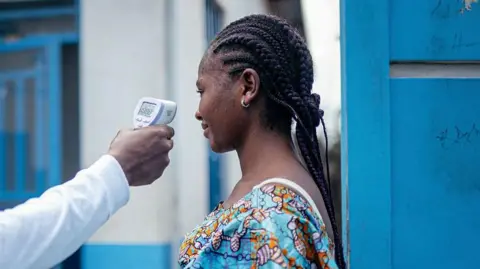
It was also discovered that men have a higher rate of preventable cancers (45%) compared to women (30%), attributed to higher smoking rates among men. In Europe, major preventable cancer causes in women include smoking, infections, and obesity, whereas in sub-Saharan Africa, infections account for nearly 80% of preventable cases.
Dr. Andre Ilbawi of WHO termed the study 'good news,' emphasizing the potential for policy measures—such as smoking regulations and vaccination initiatives—to significantly change cancer prevention landscapes.
As countries strive to lower the cancer burden, ongoing efforts to address these risk factors can ultimately help in reducing the number of preventable cancers closer to zero.
}