MINNEAPOLIS — Public health officials and community leaders have raised alarm over drastically falling measles vaccination rates in Minneapolis' Somali community, which plunged from 92% in 2006 to nearly 24% today. This decline comes at a time when misinformation about vaccines spreads rapidly, with many associating them with autism despite scientific evidence dispelling those claims.
Even before recent immigration enforcement actions, public health advocates observed a worrying trend as Somali families increasingly feared seeking medical care. Contributing factors include a credible myth that the measles vaccine causes autism, prompted by a noted decrease in vaccination rates despite several outbreaks since 2011.
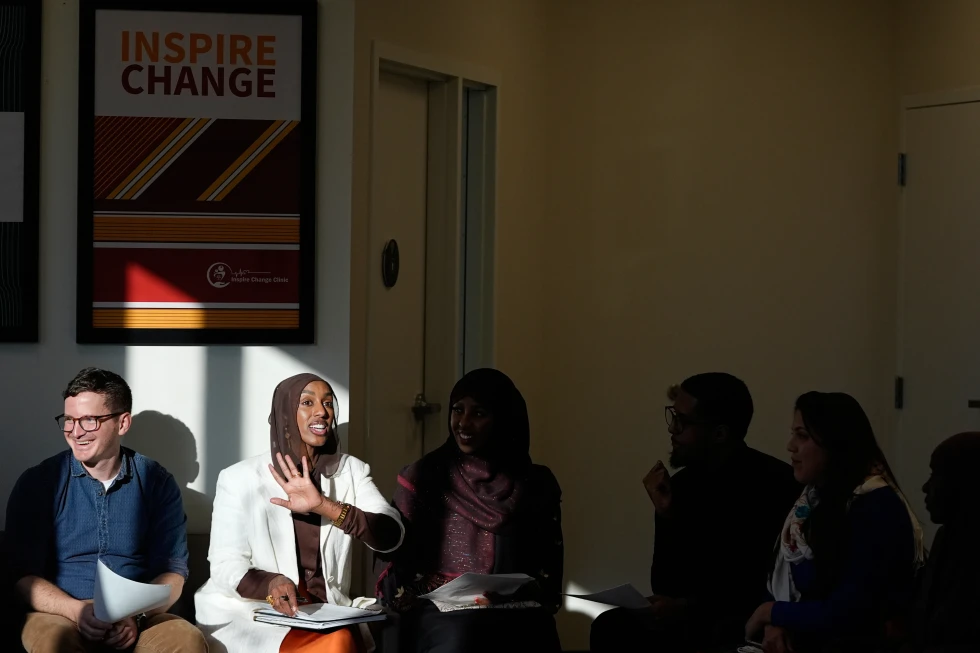
“People are worried about survival,” noted Munira Maalimisaq, nurse practitioner and CEO of the Inspire Change Clinic. She highlighted that vaccine hesitancy has intensified amidst fears and uncertainties about immigration statuses, leading families to prioritize basic survival needs over healthcare.
With approximately 84,000 Somalis residing in the Minnesota area, shifting community dynamics have made discussing healthcare and vaccinations less of a priority. Parents find themselves preoccupied with immediate challenges like securing food and school care for children amid increasing uncertainty around their legal status.
Despite these daunting challenges, Maalimisaq reiterated the critical importance of vaccination, emphasizing that measles remains a contagious and potentially deadly disease. Community health workers are exploring innovative strategies, including digital outreach through social media aimed at educating and re-engaging skeptical parents.
Recent attempts to alleviate concerns involve utilizing local health influencers and Somali community leaders to reinforce the messaging regarding vaccine safety. Long-standing health engagements, such as mobile clinics, are being reinvigorated as part of systematic efforts to restore trust, even as immigration fears loom large.
The situation underscores a pressing need for renewed outreach and cultural competency to address specific fears and misconceptions rooted in misinformation. As trust erodes, Somali health officials are focused on promoting dialogue within the community, advocating that managing fear and misinformation is vital for combating the decline in immunization rates.