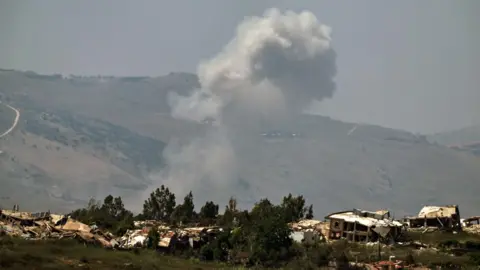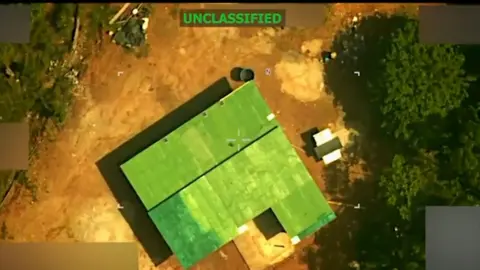
The United States announced that a strike by its Southern Command in Venezuela killed Héctor Guerrero, the longtime boss of the Tren de Aragua criminal organization.
President Donald Trump posted the footage on his personal social media account, describing the operation as a swift and effective strike executed under his direction.
Guerrero’s reign over the gang has seen the organization expand beyond the borders of Venezuela, moving into Colombia, Ecuador, Peru and Chile. Under his leadership it diversified from extortion into sex‑trafficking, contract killing and kidnapping.
The gang’s origins lie in a prison cell block that Guerrero later converted into a leisure complex full of a zoo, restaurants, nightclub and betting shop. Over the years he seized control of Chile’s gold mines, drug corridors on the Caribbean coast and clandestine border crossings between Venezuela and Colombia.
Venezuelan authorities described the airstrike as a joint operation, while the U.S. has been conducting boat strikes targeting vessels allegedly linked to the gang. Since September 2023, more than 200 people have been killed in those strikes, according to U.S. media.
Controversy surrounds the legality of the U.S. strikes, as investigators have not publicly provided evidence that the boats carried contraband. Critics argue that targeting civilian vessels without due process violates international law and could affect the rights of alleged smugglers.
The Trump administration has maintained that the killings are lawful and part of a broader conflict against drug cartels, asserting that the crews of such vessels are combatants under a declared armed conflict with these groups.
This incident highlights the growing reach of Latin American cartel groups and the international debate over military interventions aimed at disrupting drug networks.