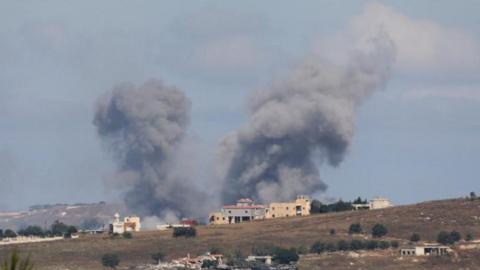
The Middle East has undergone significant upheaval due to ongoing conflicts, and the effects are reverberating throughout the global aviation industry. Airports in the Gulf region, particularly Dubai International Airport (DXB), have been central to international air travel but now face severe challenges as airspace paralysis and fuel supply interruptions impact operations.
Once a mere refueling stop for luxury flying boats, Dubai has transformed into a global aviation hub, serving millions. In 2024 alone, over 92 million passengers passed through DXB, far surpassing other international airports, such as London Heathrow. Concurrently, Gulf rival airports also accommodated substantial air travel, collectively handling thousands of daily flights.
The current Middle East conflict has halted flights, stranded passengers, and raised the specter of rising fuel prices. With the Strait of Hormuz being a critical route for jet fuel supplies, any disruption threatens the aviation ecosystem. Many carriers have begun to cut flights as operational costs surge in light of fuel price doubling since tensions increased.
As the industry grapples with immediate operational challenges, the long-term implications for Gulf airlines remain uncertain. The “Gulf model” of aviation could face existential threats, as people may opt for alternate connections outside the region given new safety concerns.
While analysts express cautious optimism about a potential recovery in regional air traffic, experts agree that passenger perception is critical. Previous crises, notably the COVID-19 pandemic, questioned the agility of the Gulf airline model, yet recovery was swift during that period.
The Gulf's status as a vital junction for global aviation hangs precariously in the balance. The ongoing conflict not only jeopardizes the profitability of major airlines but also poses a threat to the larger economic stability of the Gulf States, which have heavily leaned on their aviation sectors for diversification and growth.
Ultimately, how quickly peace is restored will likely dictate both the short-term and long-term future of aviation in this strategic region, as well as the global air travel industry at large.