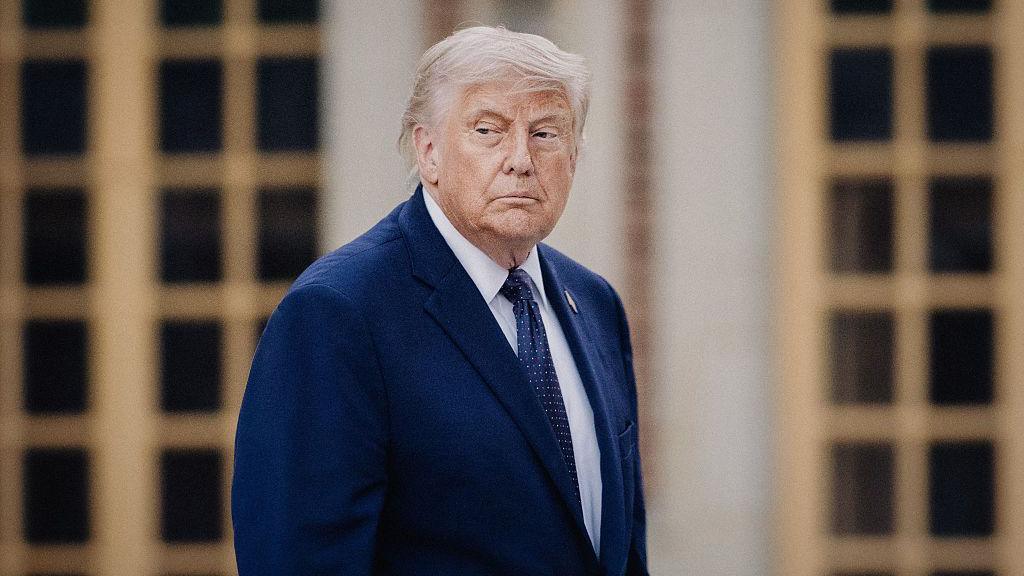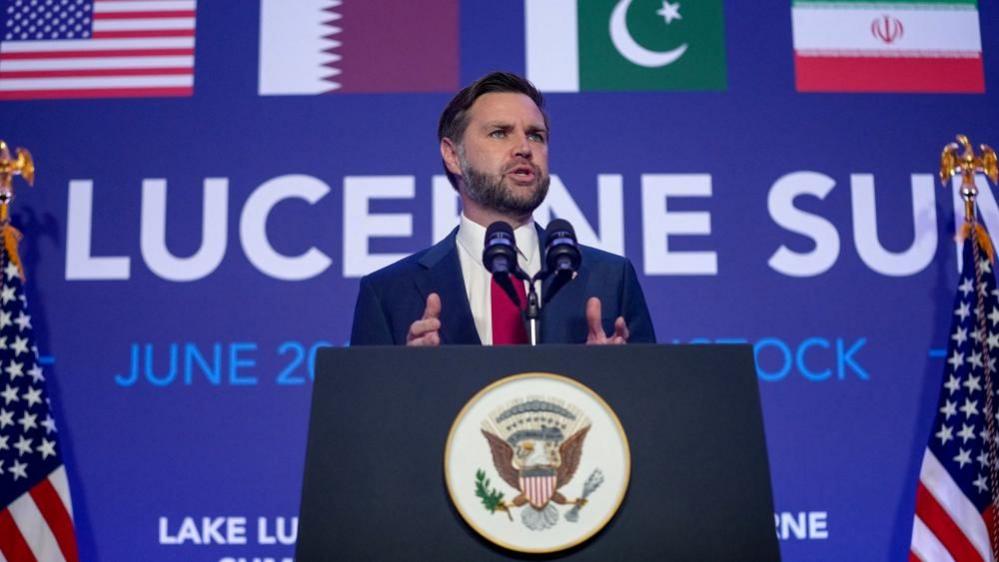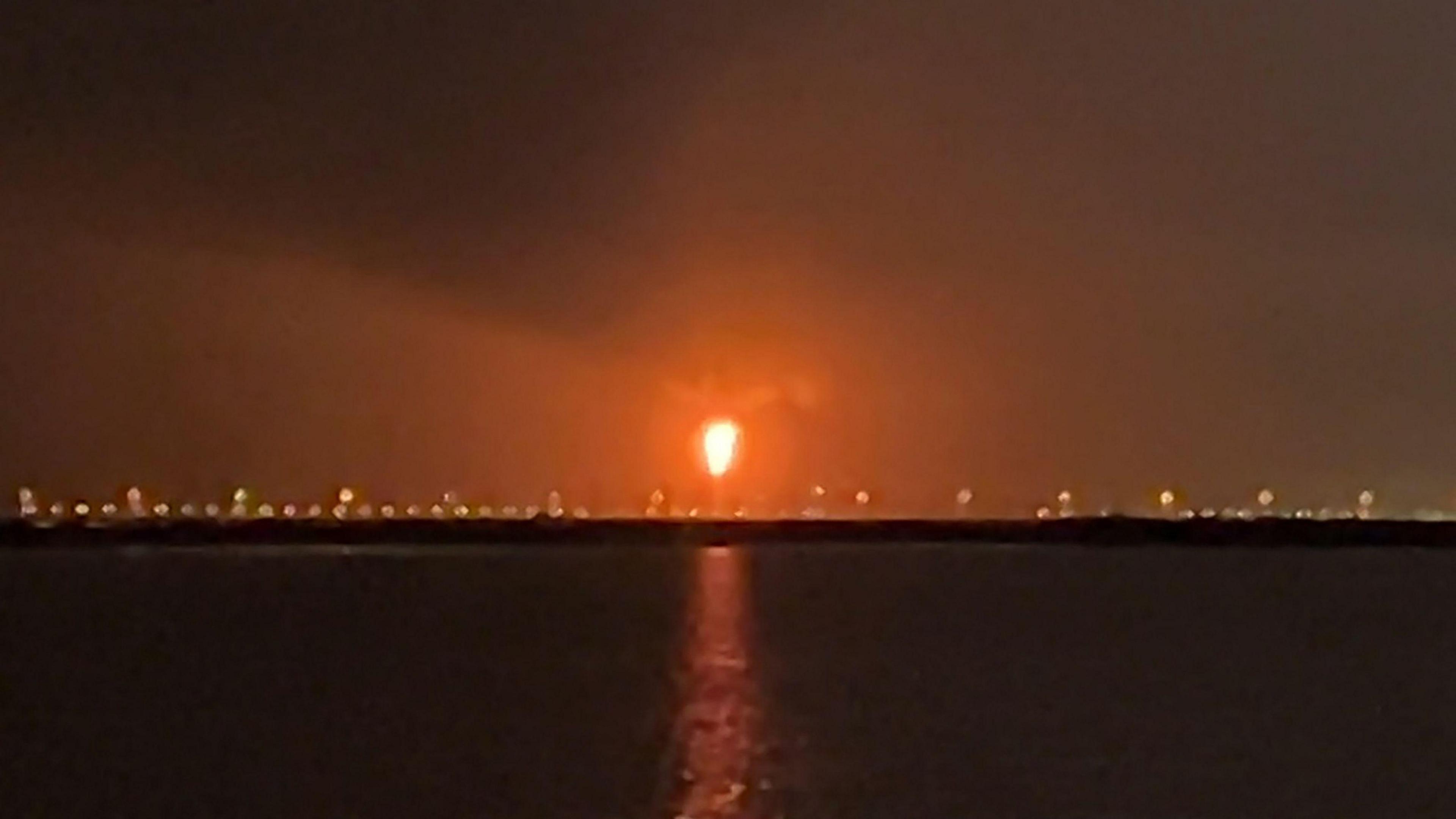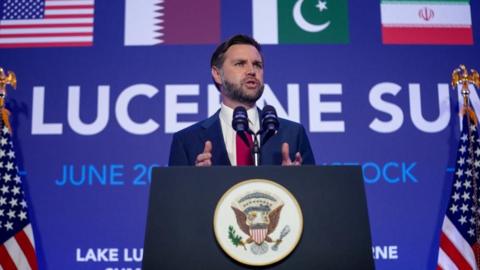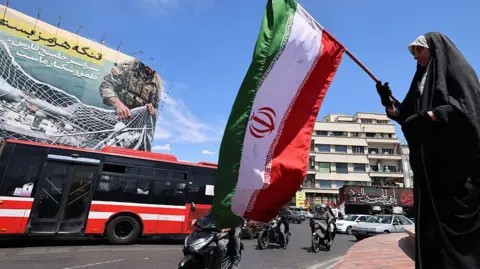
After a diplomatic team led by US Vice-President JD Vance tried, and failed, to reach a negotiated agreement to end the war with Iran on Saturday, President Donald Trump had to decide his next move.
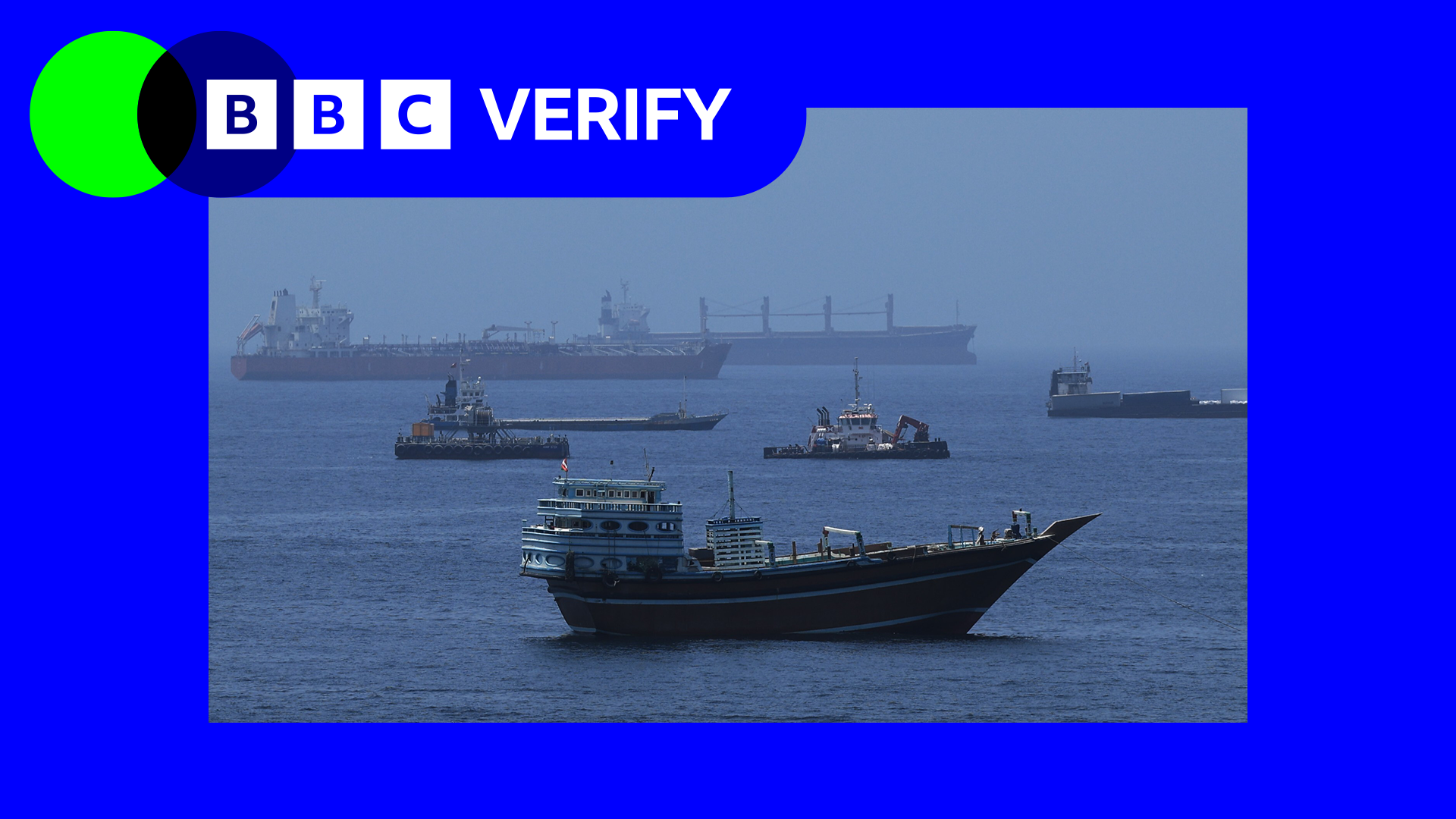
That came on Sunday morning, in a series of Truth Social posts. The US will impose a naval blockade of Iran, he wrote. No one who pays an illegal toll will have safe passage on the high seas, he said.
He also mentioned that the US would continue clearing mines from the Strait of Hormuz to ensure safe passage for allied shipping, emphasizing that the US military was locked and loaded and prepared to resume attacks against Iran at an appropriate moment.
Despite progress in negotiations in Islamabad, Trump pointed out that Iran was unwilling to meet the US demand to abandon its nuclear ambitions. This statement, however, contrasts with insights from a US official, who indicated a broader range of disputes, including Iran's control of Hormuz and support for regional proxies.
While releasing these latest posts doesn't have the same dire tone of Trump's earlier threats, they introduce new challenges for the US side, raising questions regarding potential military engagements and international repercussions.
Further improving the situation, the US Central Command announced that the naval blockade would apply to all ships traveling to or from Iran, amplifying concerns over escalating military situations in the region. Senator Mark Warner expressed disbelief about how such actions could incentivize Iran to open the Strait.
Republican congressman Mike Turner interpreted the blockade as a means to compel a resolution regarding the Strait of Hormuz, reflecting the differing perspectives among US lawmakers regarding Trump's strategy.
As the ongoing conflict tests the resolve of both nations, it is clear that despite some claims of US victory, the core issues at stake remain unresolved, leaving the situation as precarious as ever.
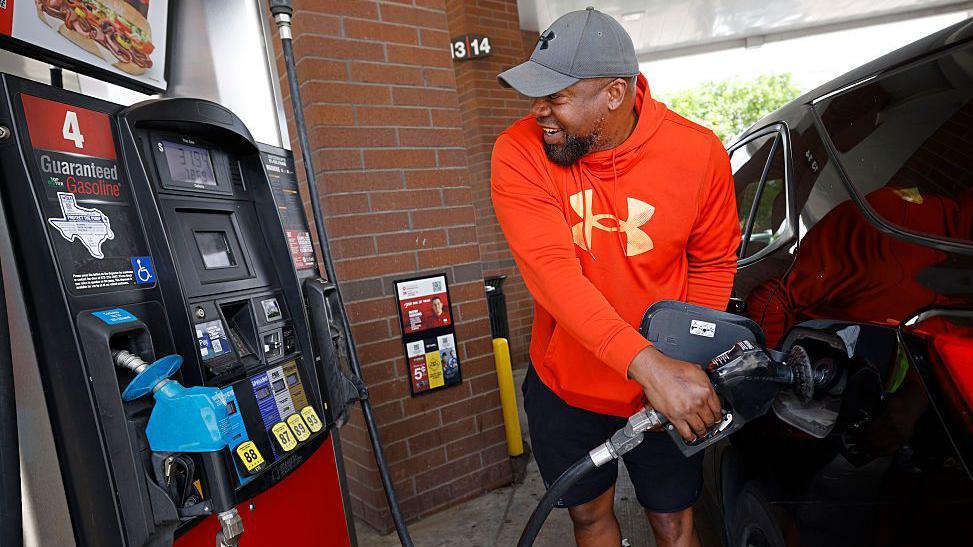
Ultimately, how this blockade and the broader Iranian conflict unfold will have significant implications for regional security, global oil prices, and the political landscape in the US as midterm elections approach.
With multiple players involved and no clear resolutions on the horizon, the dynamics in the region continue to develop amid rising uncertainty.