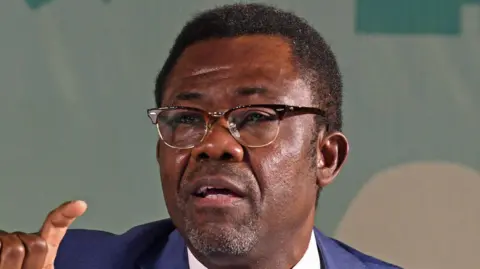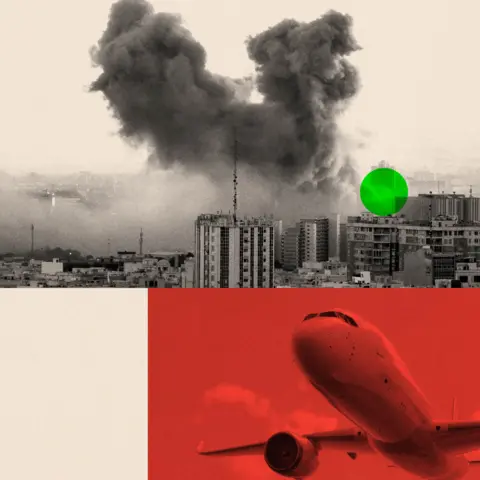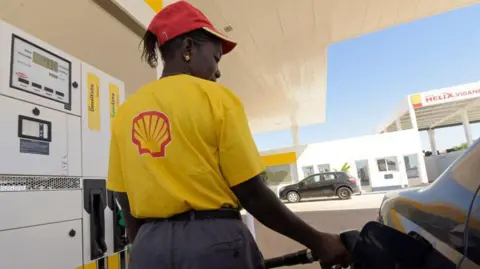
In a decisive move to handle the financial pressures caused by rising oil prices, Senegal has banned all non-essential foreign travel for its government ministers. Prime Minister Ousmane Sonko made the announcement in response to oil prices that have surged due to the ongoing conflict in Iran, claiming that costs have approached nearly double what was initially budgeted.
As part of the travel restrictions, Sonko has also postponed his own trips to Niger and Spain, indicating that further measures to curb government spending will be announced soon by the Minister of Mines.
Senegal is not alone in this response; across Africa, nations are taking similar steps, reducing fuel levies and rationing electricity to combat rising costs. The Prime Minister addressed a group of youths, emphasizing the resilience of Senegalese people in the face of these economic challenges.
While Senegal's oil and gas industry is developing, the country remains heavily reliant on fuel imports. The International Monetary Fund has previously described Senegal's economy as robust with a growth rate approaching 8%, yet public debt remains high at over 130% of the annual economic output. Sonko attributed the current fiscal difficulties to the previous government's financial management.
In light of the Iranian conflict, other countries on the continent have also reacted to rising oil prices. South Africa, for instance, has reduced petrol taxes, while Ethiopia has faced fuel shortages prompting institutional staff to go on leave. Measures in South Sudan include rationing electricity in its capital, Juba, and Zimbabwe is increasing ethanol content in its gasoline.
The conflict has not only impacted fuel prices but also restricted the supply of vital fertilizers globally, exacerbating food security issues, especially in East Africa, which relies heavily on imports from the Middle East.