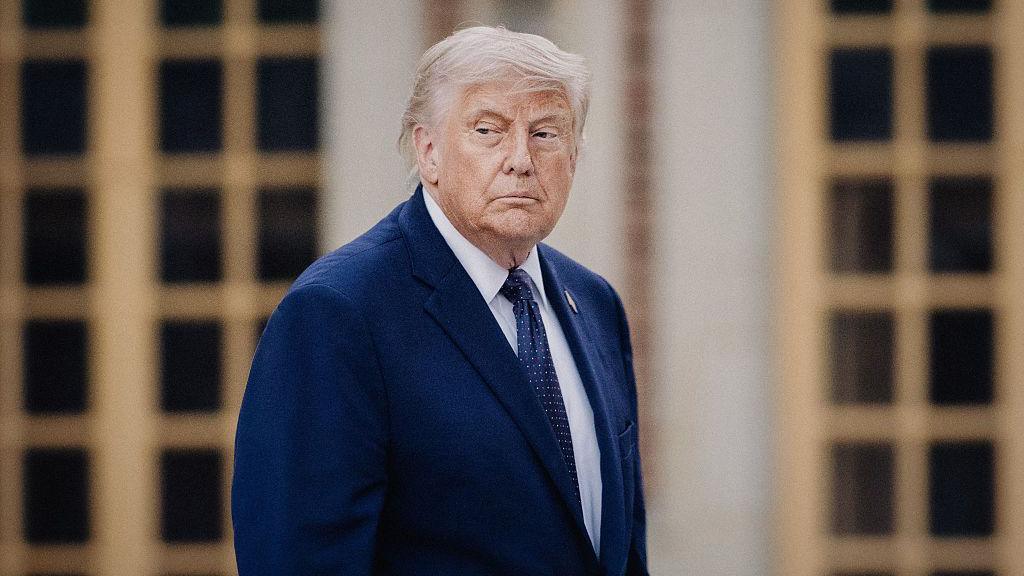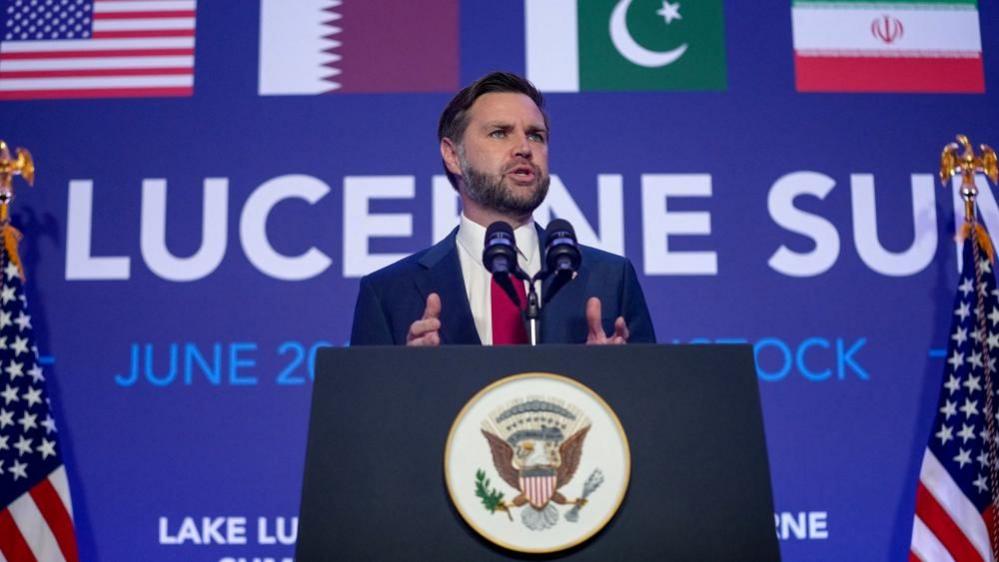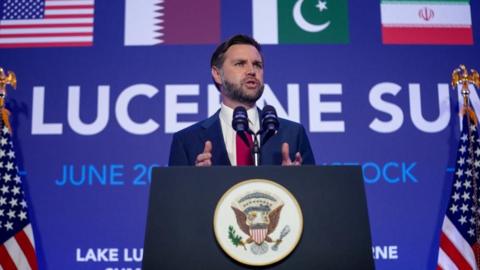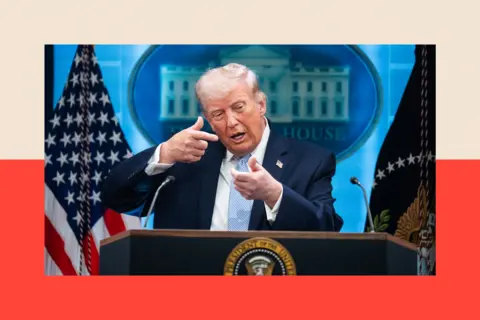
During an Easter lunch at the White House, President Donald Trump humorously placed the blame for the success of future negotiations on JD Vance, highlighting the stakes and pressures surrounding Vance’s diplomatic mission to Pakistan to negotiate peace with Iran. Vance's efforts to secure a deal come with challenges as multiple stakeholders watch closely, each having their conflicting interests amid ongoing hostilities in the region.
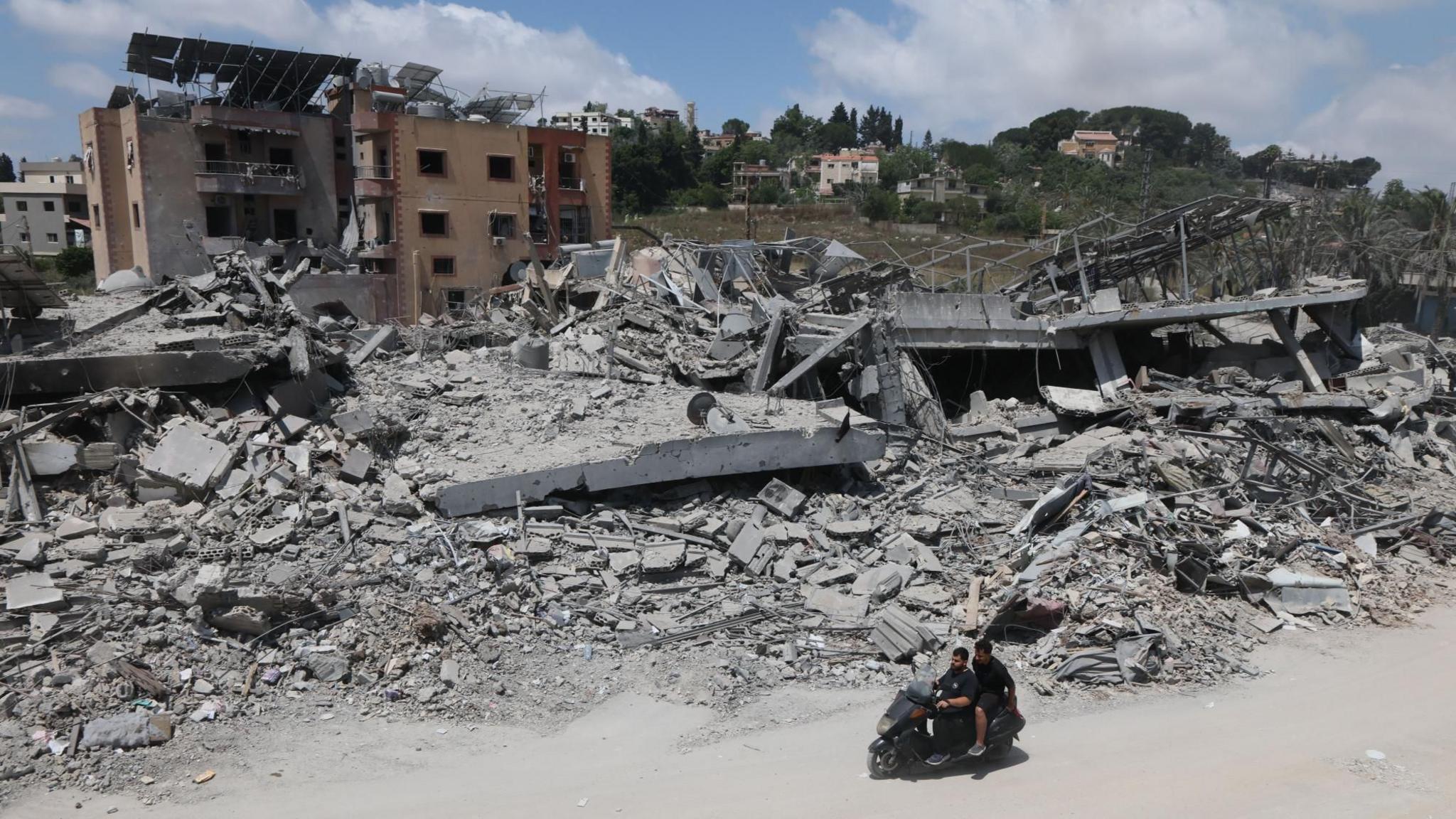
As the situation in Iran remains tense following a military campaign in the Middle East, Vance's role involves balancing international relations, managing Trump's expectations, and navigating a complex political landscape. Success is defined not only by reaching a robust peace agreement, but also by avoiding pitfalls that could damage his reputation and the administration's credibility.
Stakeholders from various countries are monitoring Vance's moves, with a European official emphasizing the need for him to deliver tangible results. The vice president is also expected to contend with his own party's base, which holds strong views against foreign interventions, adding another layer of complication to his mission.
Despite his previous skepticism regarding military actions, Vance finds himself charged with representing an administration that has taken a firm stance against Iran. His challenge becomes even greater with Trump’s unpredictable negotiating style, characterized by abrupt shifts in strategy and conflicting statements.
Trump has entrusted Vance with this critical role, showcasing a blend of high expectations and performance pressure. With the backdrop of unrest in the region and scrutinized negotiations, the vice president's actions in Islamabad may well set the tone for future U.S. foreign policy initiatives and his own political trajectory.
As the situation in Iran remains tense following a military campaign in the Middle East, Vance's role involves balancing international relations, managing Trump's expectations, and navigating a complex political landscape. Success is defined not only by reaching a robust peace agreement, but also by avoiding pitfalls that could damage his reputation and the administration's credibility.
Stakeholders from various countries are monitoring Vance's moves, with a European official emphasizing the need for him to deliver tangible results. The vice president is also expected to contend with his own party's base, which holds strong views against foreign interventions, adding another layer of complication to his mission.
Despite his previous skepticism regarding military actions, Vance finds himself charged with representing an administration that has taken a firm stance against Iran. His challenge becomes even greater with Trump’s unpredictable negotiating style, characterized by abrupt shifts in strategy and conflicting statements.
Trump has entrusted Vance with this critical role, showcasing a blend of high expectations and performance pressure. With the backdrop of unrest in the region and scrutinized negotiations, the vice president's actions in Islamabad may well set the tone for future U.S. foreign policy initiatives and his own political trajectory.