Five Major Challenges in the Upcoming US-Iran Talks
As high-stakes negotiations between the US and Iran approach, the atmosphere is charged with both optimism and trepidation. Scheduled to take place in Islamabad, these talks are expected to address several pressing issues that complicate relations between the two nations.
1. Regional Conflicts
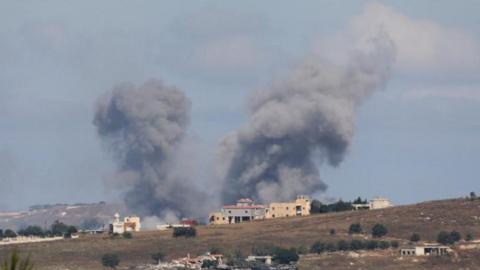
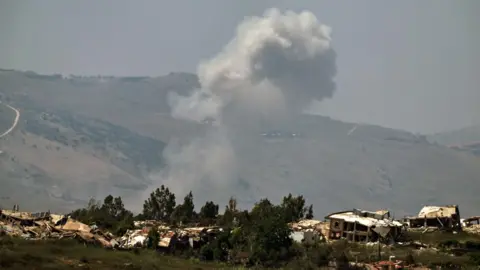
The ongoing conflict involving Lebanon's Hezbollah poses a significant challenge to the talks. Iran's president has warned that Israel's military actions could undermine the negotiations even before they begin. Responses from both sides highlight the fragile state of diplomatic relations.
2. Nuclear Aspirations
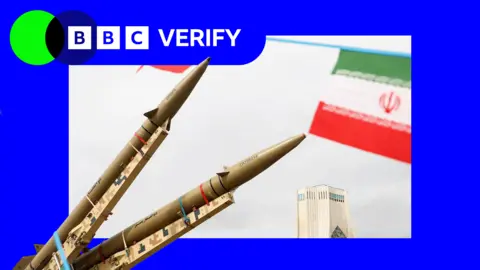
Sparking contention since the inception of the Iranian nuclear program, Iran's pursuit of nuclear capabilities remains a primary issue. With past agreements still fresh in memory, negotiations will need to tread carefully around this sensitive topic.
3. Sanctions Relief
The lifting of long-standing international sanctions is another critical area of contention. Iran demands significant relief as part of any deal, including the release of approximately $120 billion in frozen assets, which the US administration appears reluctant to concede.
4. Navigating Distrust
The deep-rooted distrust between the negotiating parties complicates the potential for productive discussions. Each side must demonstrate a willingness to engage in good faith without compromising its core interests.
5. Strait of Hormuz
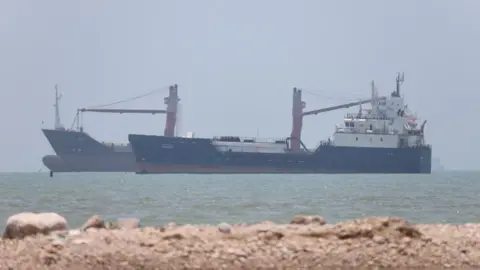
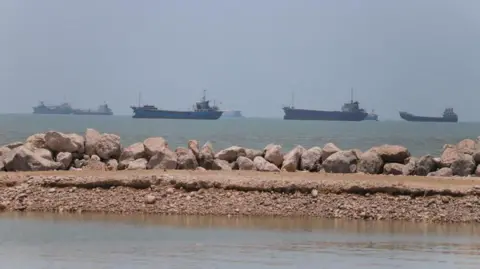
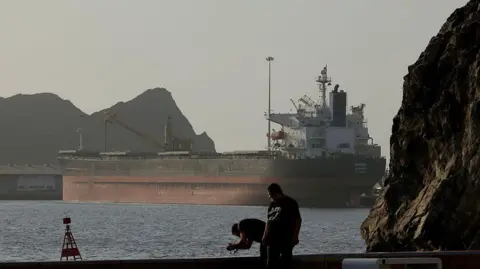
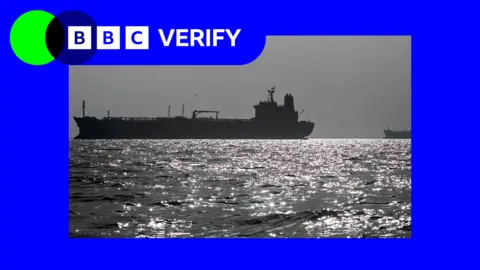
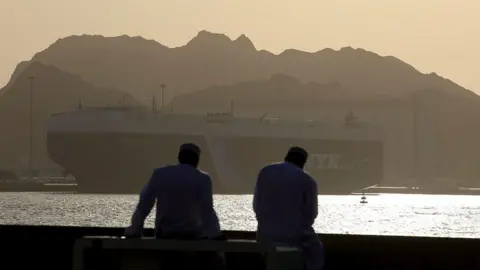
The strategic waterway is crucial for global oil shipping, and recent tensions surrounding its control may add another layer of complexity to the negotiations. Iran's assertion of sovereignty over the strait poses risks for international shipping and reflects the geopolitical stakes involved.
Despite these challenges, there remains a sliver of hope for improved relations as both the US and Iran prepare to approach negotiations with a cautious openness. The outcome of this summit could redefine the future of their diplomatic engagements.