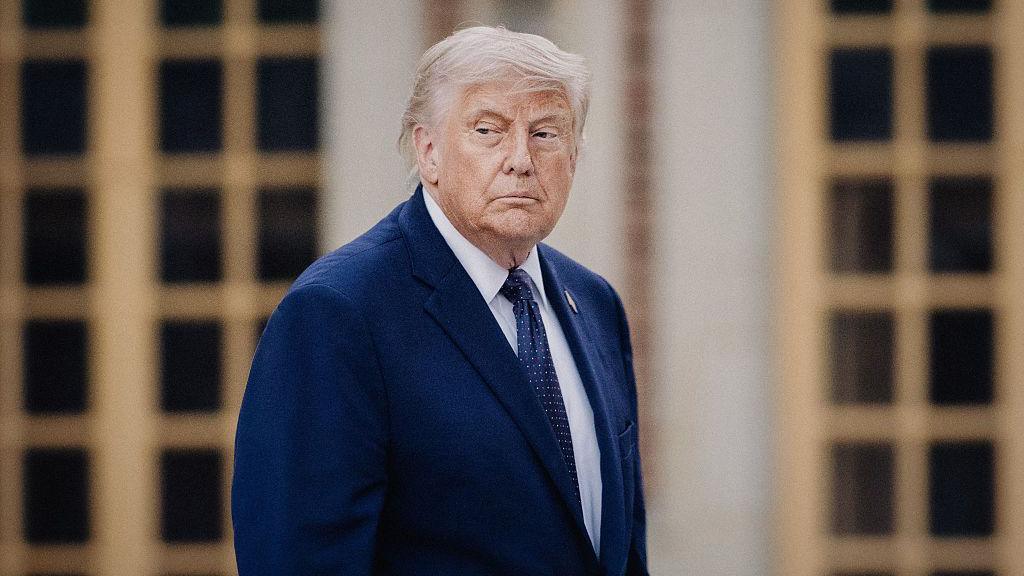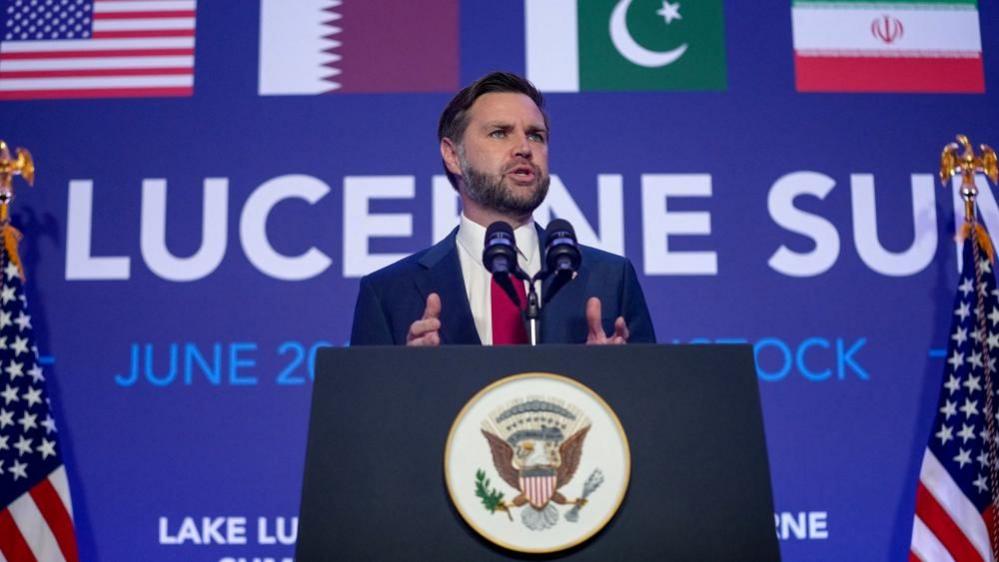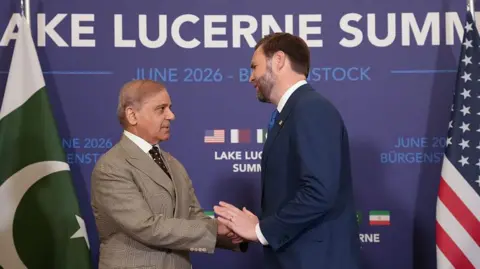
After a diplomatic team led by Vice-President JD Vance tried, and failed, to reach a negotiated agreement to end the US war with Iran on Saturday, President Donald Trump had to decide his next move.
That came on Sunday morning, in a series of Truth Social posts.
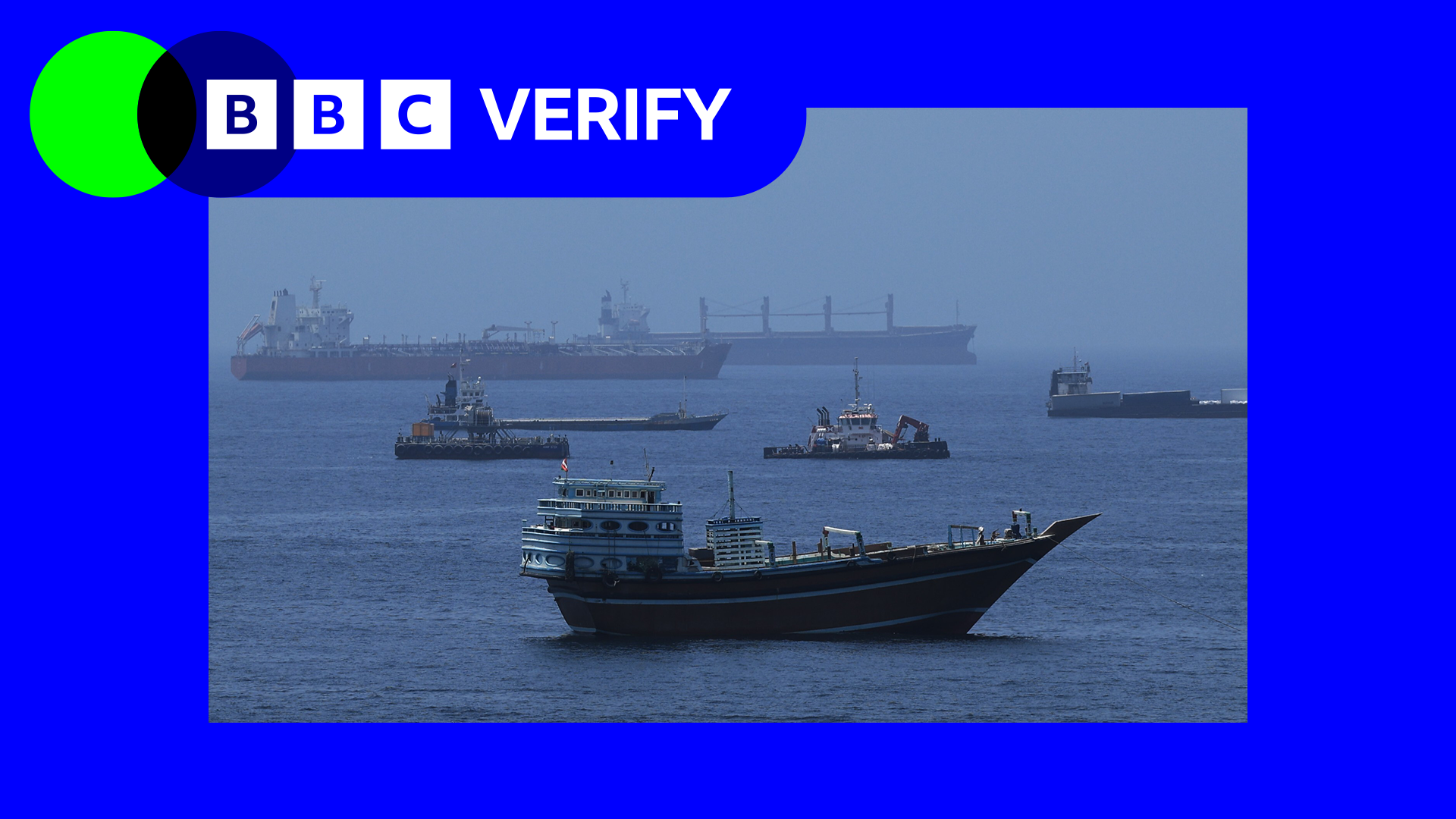
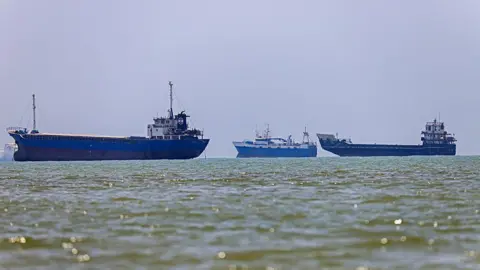
The US will impose a naval blockade of Iran, he wrote. No one who pays an illegal toll will have safe passage on the high seas, he expressed.
He also stated that the US would continue clearing mines from the Strait of Hormuz to ensure safe passage for allied shipping. The US military, he added, was locked and loaded and prepared to resume attacks against Iran at an appropriate moment.
While he noted that progress had been made in the negotiations in Islamabad, Iran remained unwilling to meet the US demand to abandon its nuclear ambitions.
Trump's latest posts, while lacking the previous week's apocalyptic tones, pose new challenges and risks for American strategy in the region.
Questions loom on how mine-clearing activities could heighten risks for US naval vessels or how the US will identify those who pay Iran a toll. Furthermore, uncertainties arise about the potential reactions from nations depending on Iranian oil, such as China, and whether the blockade could lead to higher oil prices.
Senator Mark Warner cast doubt, questioning how blockading the Strait would compel Iran to yield. Meanwhile, Republican Mike Turner argued the necessity for US allies to join the effort.
Despite the claim of victories by the US, the predicaments facing Trump seem unchanged. In a recent Fox News interview, Trump asserted that Iran would eventually concede to US demands, while also downplaying concerns over rising oil prices.
As tensions escalate, it becomes clear that the ongoing conflict may only diminish all involved parties, raising concerns over the broader implications of US policy in the region.