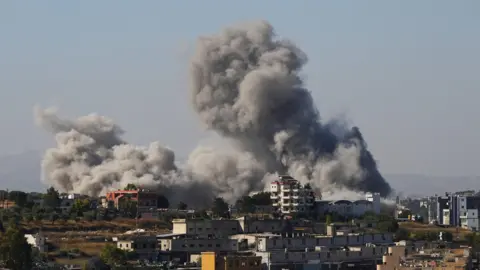
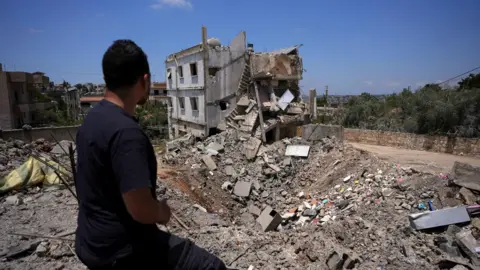
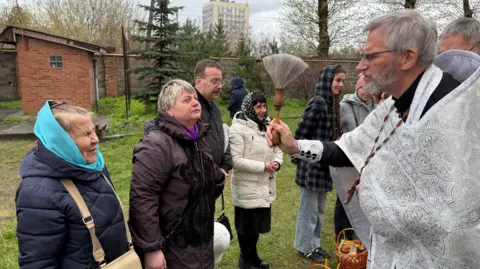
An Orthodox Easter truce agreed by Russia and Ukraine came into force on Saturday afternoon but 38 minutes later air raid sirens were heard in the Kharkiv region of northeastern Ukraine. Since then, officials and military have recorded multiple ceasefire violations along the frontline, although no long-range missile or drone strikes have been reported. The pause in fighting was intended to provide a much-needed respite for civilians, four years post the onset of a full-scale invasion by Russia. President Volodymyr Zelensky called for calm, stating, Easter should be a time of safety, a time of peace, and reiterated that Ukrainian forces would respond rigorously to any violations by Moscow. The atmosphere in Ukraine remains tense, with citizens expressing profound skepticism towards the Russian ceasefire. Local priest Fr Viktor questioned the sincerity of the ceasefire, and parishioners voiced their concern over the likelihood of renewed assaults following any temporary pause. Soldiers, while adhering to the ceasefire, prepared for potential attacks, showcasing the persistent volatility in the region. Many residents are clinging to the hope for long-lasting peace amid the devastation left by ongoing conflict, as illustrated by the widespread destruction in Kharkiv's neighborhoods. The temporary truce has allowed some families to gather in churches for blessings, holding onto traditions despite the backdrop of war. With high expectations unmet and challenges ahead in negotiations, the situation remains precarious as the quest for real peace continues.
Easter Truce in Ukraine: Fragile Moments Amidst Lingering Violence
Easter Truce in Ukraine: Fragile Moments Amidst Lingering Violence
A fleeting ceasefire during Orthodox Easter in Ukraine offers little respite as hostilities continue. Insights from Kharkiv reveal a community weary of conflict and distrustful of peace efforts.
Despite an Easter truce called by Russia and Ukraine, hostility remains evident with ceasefire violations and air raid sirens reported shortly after the ceasefire commenced. President Zelensky emphasized the necessity for genuine peace amidst ongoing turmoil, as civilians express their skepticism and desire for lasting peace beyond temporary lulls in fighting.