The venue is ready, the guards are in place and the curb along the approach road has received a fresh coat of yellow and black paint.
Islamabad awaits.
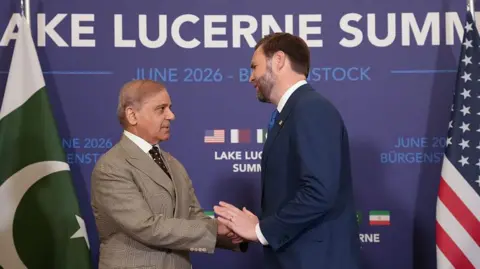
As hosts of vital US-Iranian talks, the Pakistani government officials are making optimistic noises, emphasizing that unlike many others, they enjoy the trust of both sides.
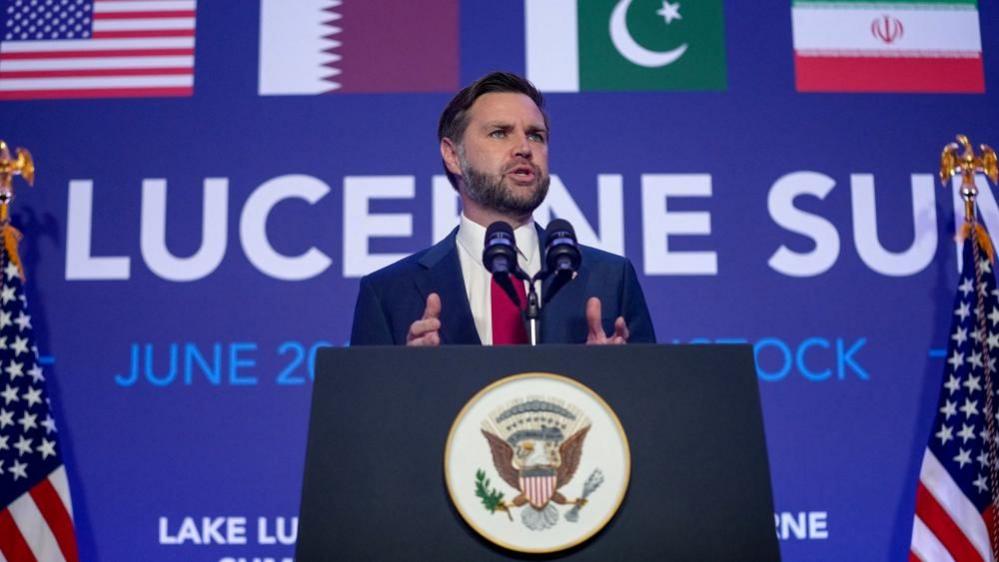
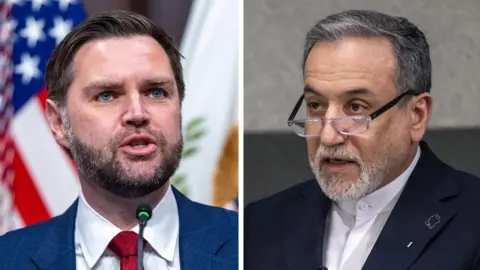
The man heading the US delegation, Vice President JD Vance, is also sounding upbeat.
If the Iranians are willing to negotiate in good faith, he said before leaving the US, we're certainly willing to extend the open hand. Yet, he warned that any attempts to play us would result in a less receptive negotiating team.
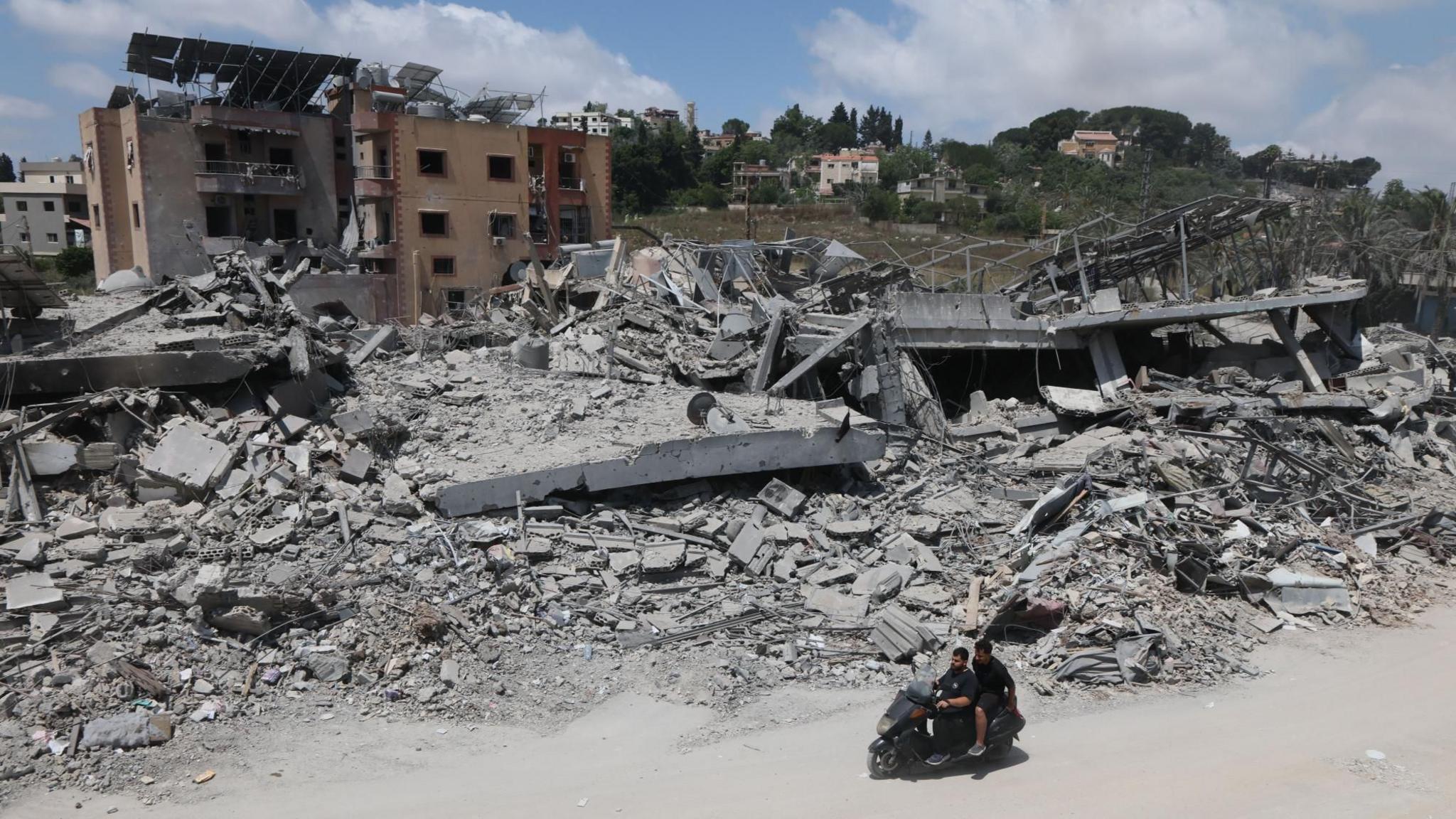
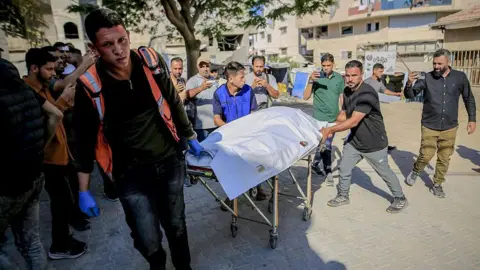
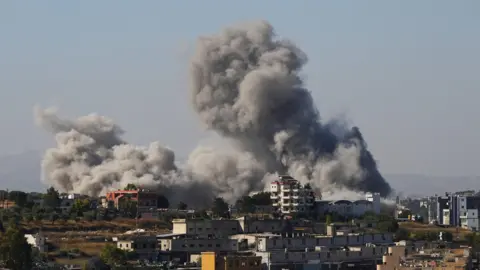
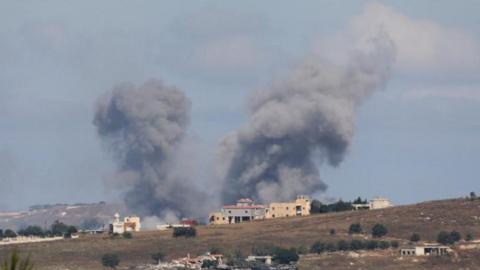
However, significant obstacles lie ahead for both parties. First, tensions in Lebanon pose a major risk; Iranian support for Hezbollah complicates matters, with Iran warning that Israeli actions could derail negotiations.
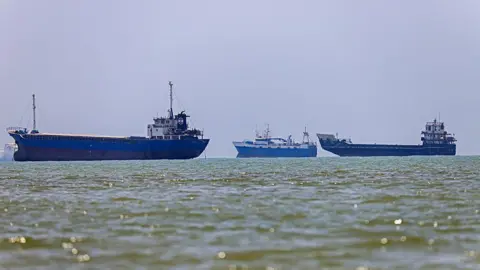
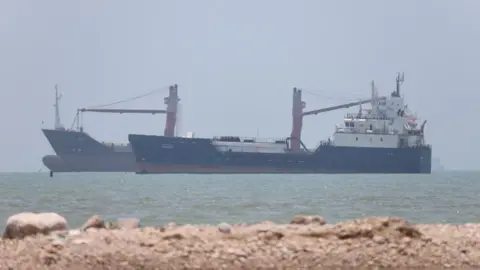
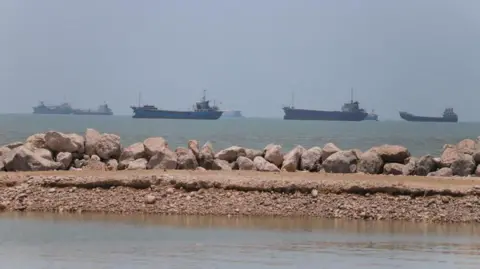
Secondly, the Strait of Hormuz represents a critical issue as only a trickle of vessels have been able to pass through amidst accusations concerning Iran's handling of shipping. Both nations have divergent demands related to nuclear capabilities, sanctions relief, and regional alliances, complicating further dialogue.