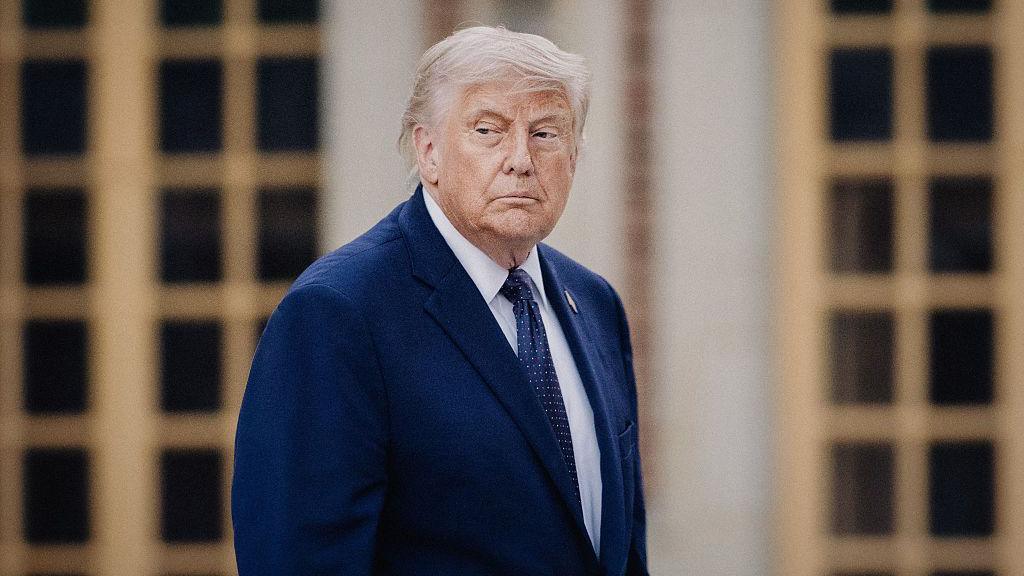
Washington, D.C. – President Donald Trump has cautioned his negotiating team to avoid a hasty pact with Iran, despite growing press reports that the two sides are close to a deal. In a post on Truth Social on Sunday, the former president stated that ‘constructive’ talks were underway but that both sides must take their time to “get it right” and avoid any mistakes.
Previously on Saturday, Trump amplified the optimism by saying a “memorandum of understanding” had been largely “negotiated.” The president warned that Tehran must understand that it cannot pursue a nuclear weapon, a stance that echoes Israeli Prime Minister Benjamin Netanyahu’s public position.
Secretary of State Marco Rubio, meanwhile, confirmed that negotiations are making headway but are not yet finished. He indicated that a 60‑day ceasefire extension and an opening of the Strait of Hormuz is likely in the final agreement, though a few points of disagreement remain.
Iranian foreign ministry spokesman Esmail Baghaei said that although progress was evident, it did not mean all issues were resolved. He criticised the United States for contradicting itself in previous statements.
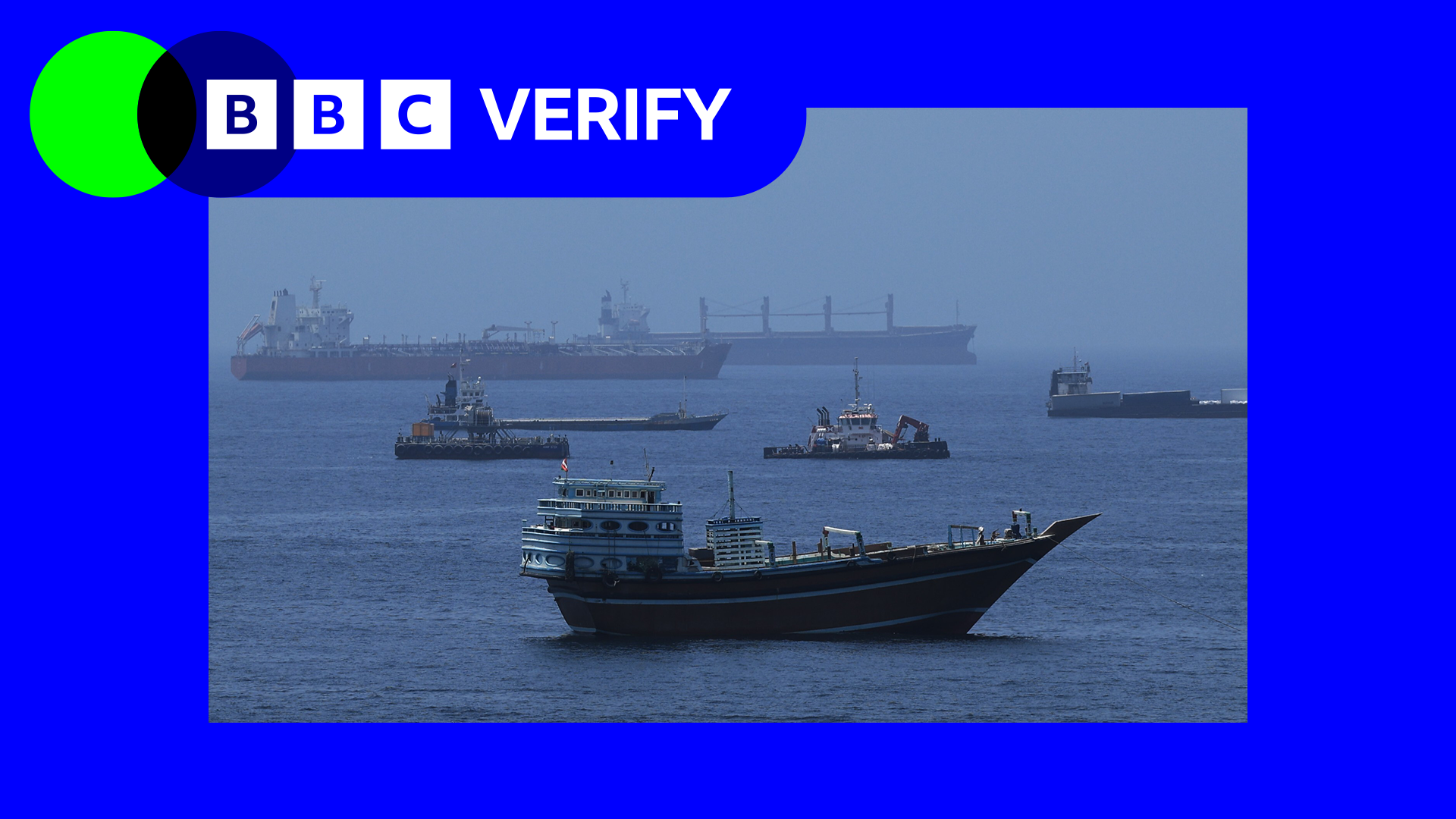
The backdrop to the diplomatic dance is a fragile ceasefire that was brokered in April. Despite the truce, there have been bursts of violence: Israeli‑American air strikes on February 28 sparked Iranian missile and drone retaliation against targets in Israel, the United States, and Gulf states. The Iranian administration has maintained control over the Strait of Hormuz, effectively preventing U.S. vessels from passing.
The US blockade remains in place, intended to pressure Tehran into agreeing to what Washington calls a “reasonable” treaty. Iran’s strategy, according to officials, is purely for peaceful use of its nuclear programme.
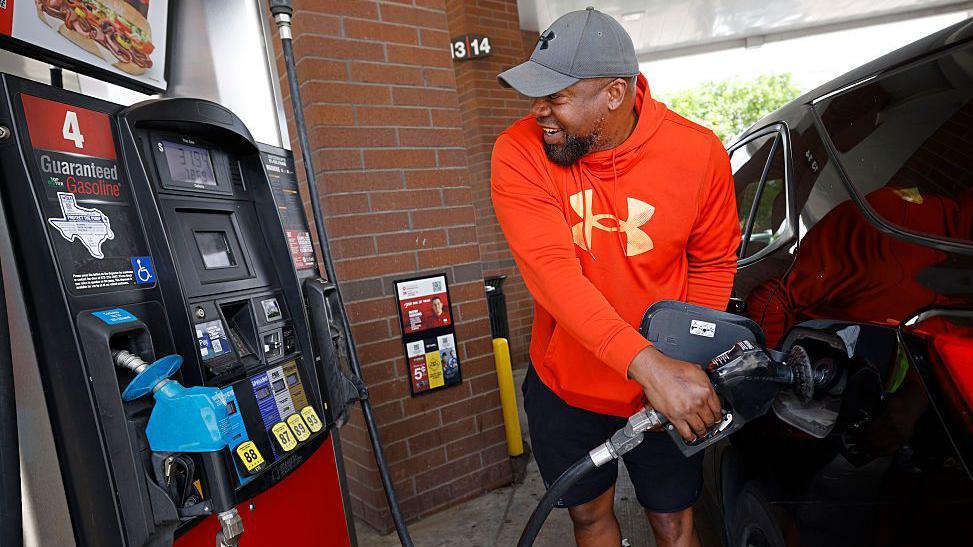
While the US media has reported that a signing is unlikely that same Sunday, international actors such as Pakistan’s Deputy Prime Minister Ishaq Dar suggested the negotiations could succeed soon. The prospect of lifting the Strait of Hormuz remains a key leverage point, as market analysts predict a significant drop in oil prices should the waterway be fully reopened.
Trump’s warning comes at a time when both sides are attempting to balance the risk of a misstep. With the world watching the diplomatic corridors and shipping lanes of the Persian Gulf, Washington’s insistence on a careful, time‑informed approach may prove pivotal to the outcome of any future agreement.
Previously on Saturday, Trump amplified the optimism by saying a “memorandum of understanding” had been largely “negotiated.” The president warned that Tehran must understand that it cannot pursue a nuclear weapon, a stance that echoes Israeli Prime Minister Benjamin Netanyahu’s public position.
Secretary of State Marco Rubio, meanwhile, confirmed that negotiations are making headway but are not yet finished. He indicated that a 60‑day ceasefire extension and an opening of the Strait of Hormuz is likely in the final agreement, though a few points of disagreement remain.
Iranian foreign ministry spokesman Esmail Baghaei said that although progress was evident, it did not mean all issues were resolved. He criticised the United States for contradicting itself in previous statements.
The backdrop to the diplomatic dance is a fragile ceasefire that was brokered in April. Despite the truce, there have been bursts of violence: Israeli‑American air strikes on February 28 sparked Iranian missile and drone retaliation against targets in Israel, the United States, and Gulf states. The Iranian administration has maintained control over the Strait of Hormuz, effectively preventing U.S. vessels from passing.
The US blockade remains in place, intended to pressure Tehran into agreeing to what Washington calls a “reasonable” treaty. Iran’s strategy, according to officials, is purely for peaceful use of its nuclear programme.
While the US media has reported that a signing is unlikely that same Sunday, international actors such as Pakistan’s Deputy Prime Minister Ishaq Dar suggested the negotiations could succeed soon. The prospect of lifting the Strait of Hormuz remains a key leverage point, as market analysts predict a significant drop in oil prices should the waterway be fully reopened.
Trump’s warning comes at a time when both sides are attempting to balance the risk of a misstep. With the world watching the diplomatic corridors and shipping lanes of the Persian Gulf, Washington’s insistence on a careful, time‑informed approach may prove pivotal to the outcome of any future agreement.