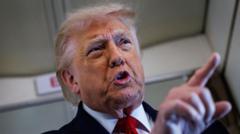
President Donald Trump opened a White House briefing by declaring his "love for inflation" after the Bureau of Labor Statistics reported a 4.2% increase in the Consumer Price Index in May, the steepest rise in three years.
The surge in prices, up from 3.8% in April, is largely attributed to energy costs pushed higher by tensions involving the U.S.–Israel war in Iran, according to BLS data.
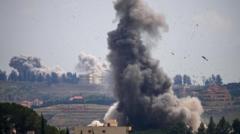
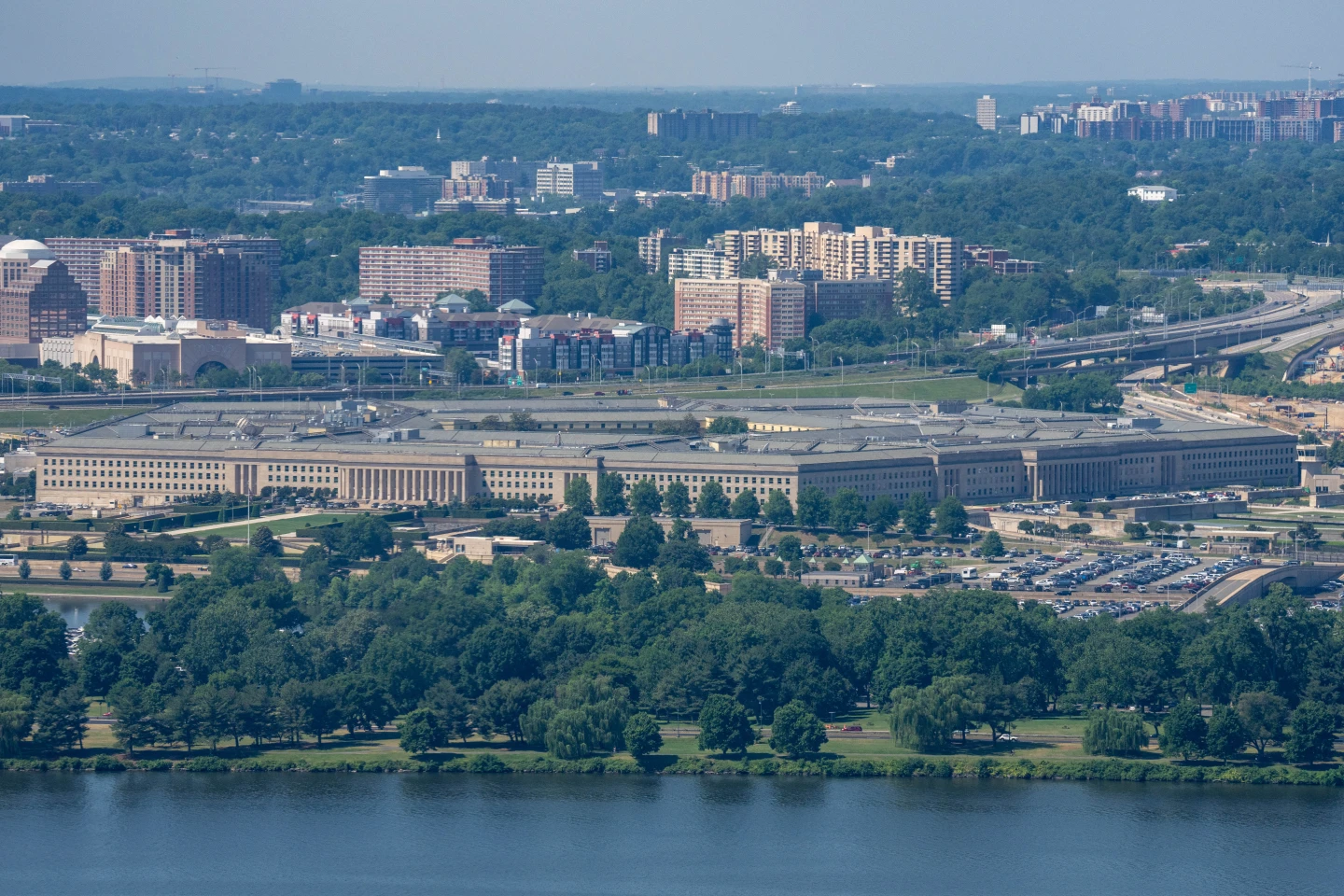
Trump remarked that the rise would drop swiftly once the conflict with Iran ends, noting recent U.S. military strikes that allegedly captured millions of barrels of oil, which are expected to lower oil prices.
He also referenced a 2026 trip to Iowa where gasoline was reported at $1.85 per gallon, implying a return to similar low prices shortly.
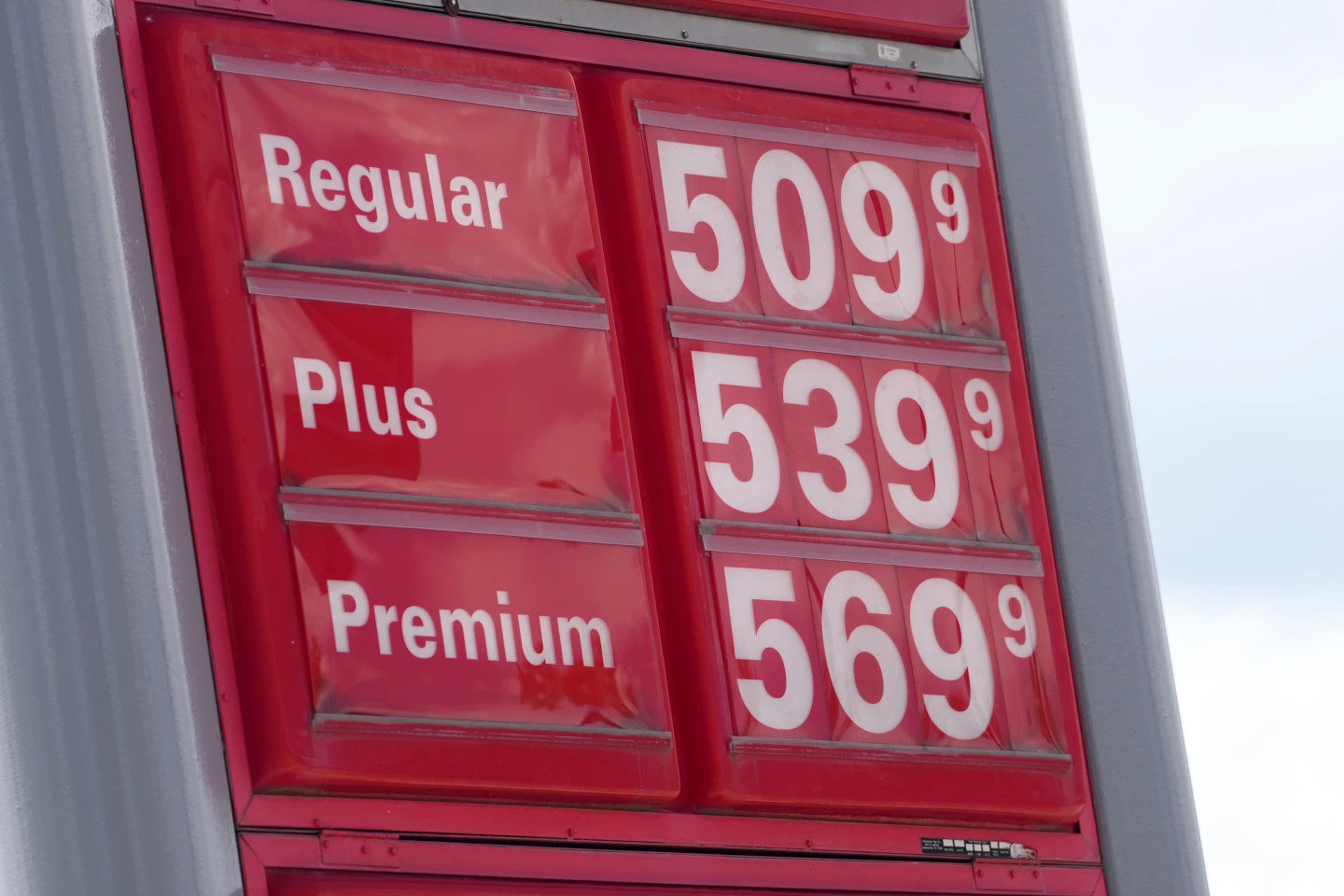
Despite these assurances, the increasing cost of energy—gas, electricity, and petrol—stands at a roughly 25% annual rise, with the average gas price now $4.15 per gallon, up from $2.98 earlier in the year. The surge is linked to Yemen and Iran‑related restrictions on the Strait of Hormuz.
The inflation figures are the third consecutive month of CPI growth, mirroring a sustained high pressure on households during the ongoing geopolitical tension. The Federal Reserve’s long‑term target of 2% remains far below the current 4.2% level.
Economists warn a prolonged conflict could delay the return of normal shipping through the Strait of Hormuz to 2027, sustaining higher prices.
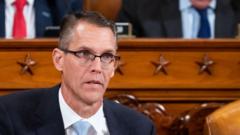
Political impact is significant as voters rank the economy ahead of the November mid‑term elections. The Fed’s forthcoming rate decision, with new governor Kevin Warsh, faces pressure from Sharply rising inflation and strong labor market data that could push rates higher.
Analysts differ: some see the May rise as insufficient to warrant a rate hike, while others view it as a clear signal of inflation’s persistent momentum.