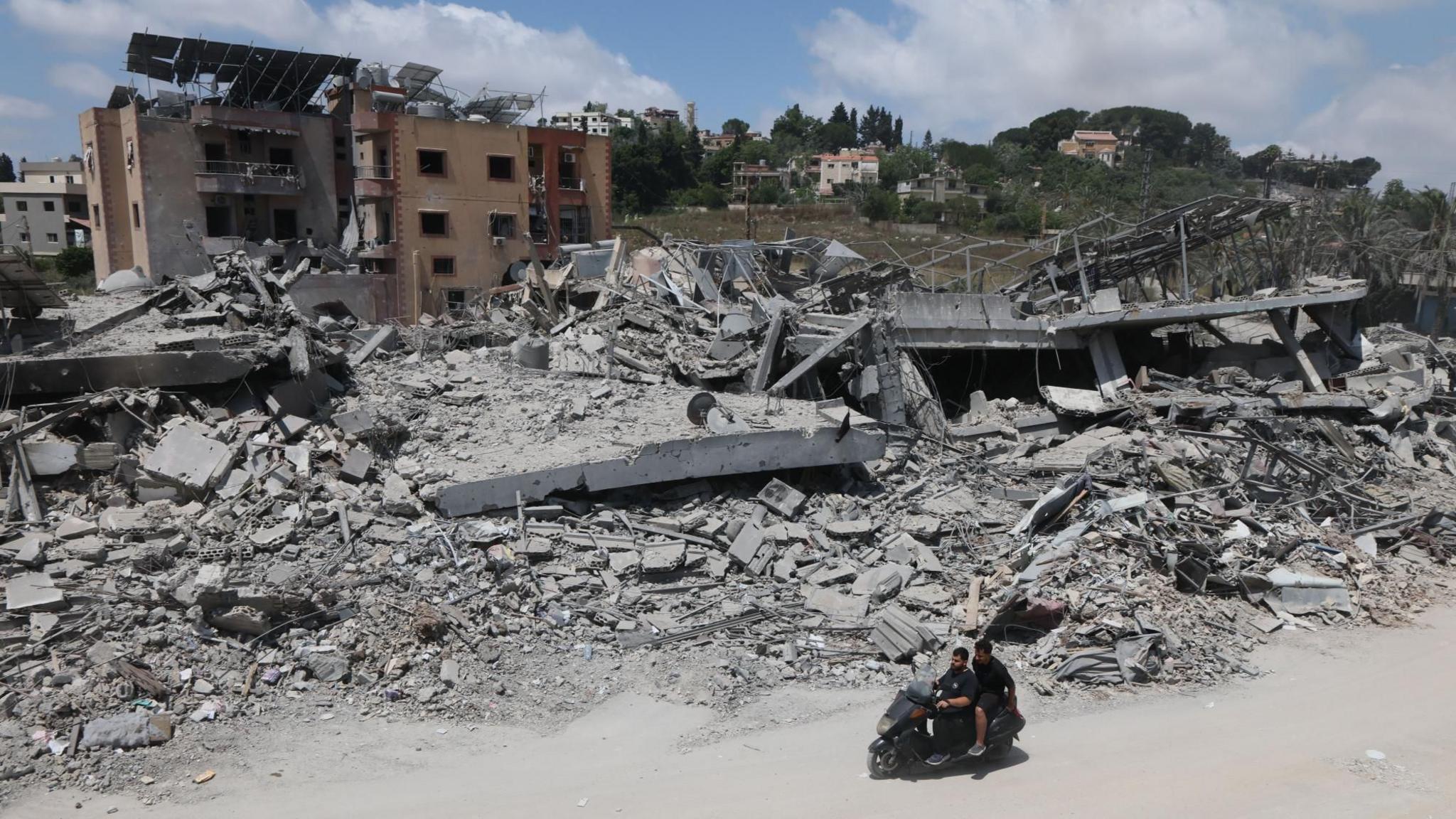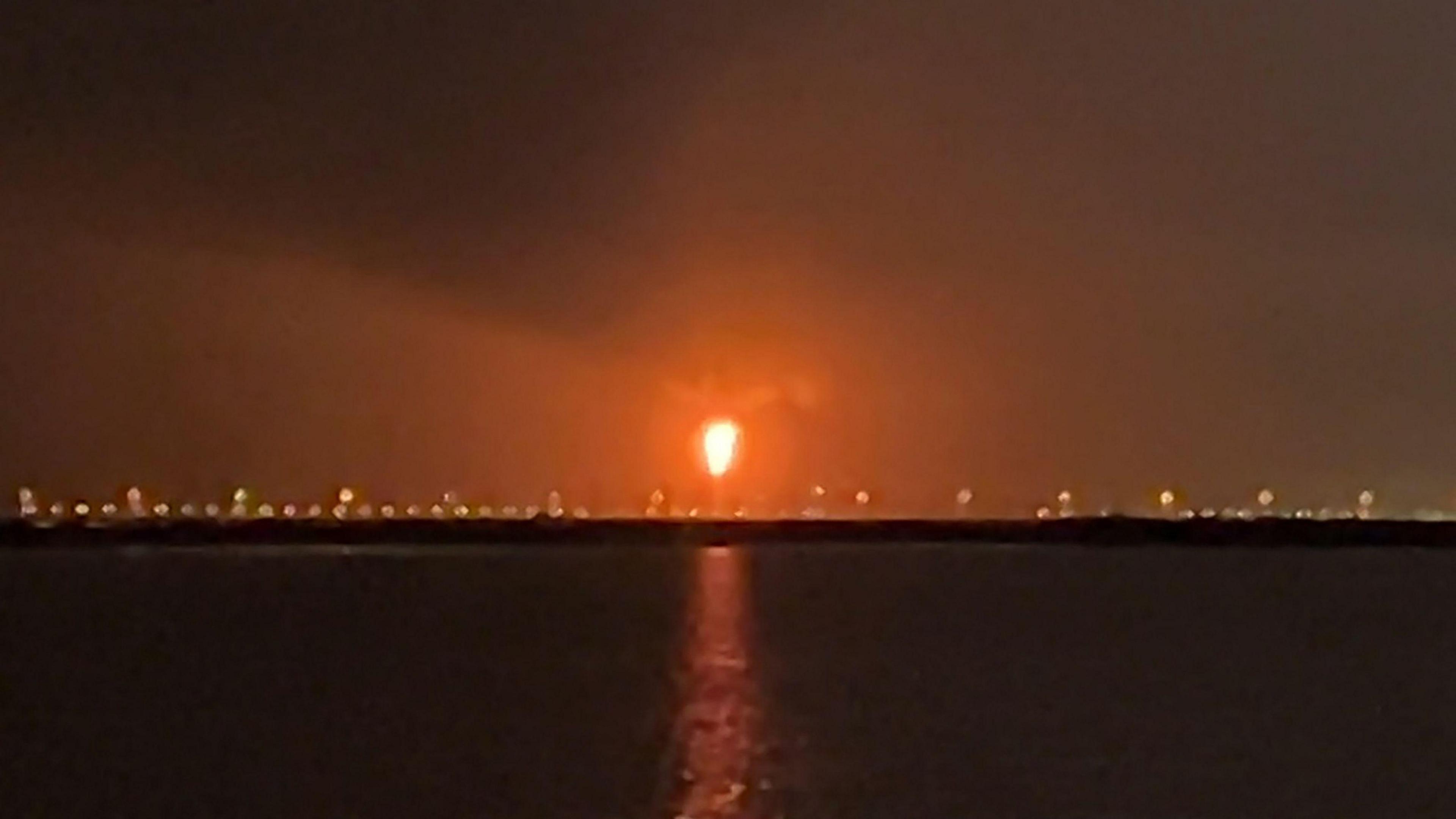
The United States and Iran have both shown a desire to avoid a return to the hostilities that halted on 8 April. Yet the steady drumbeat of military exchanges, without a definitive cease‑fire, keeps the talks from concluding. The U.S. retains an overwhelming naval and air presence within striking distance of Tehran, a force that Iran’s leadership uses to justify its ongoing vigilance and the reconstruction of damage inflicted by U.S. and Israeli strikes.
Across the Gulf, the tension threatens to miscalculate and misperceive. The U.S. presses the regime to yield—demonstrating its capacity for significant damage—while Tehran reminds the world of its unwavering readiness to attack U.S. bases and Gulf infrastructure if necessary.
The first achievable step in this long, perhaps impossible, pathway to a broader deal is the maintenance of the cease‑fire and agreement on a “memorandum of understanding” that sets the agenda for future talks. However, Iran’s conditions—sanctions relief and a reopened Strait of Hormuz—are hard‑bargained items that defend against a low‑risk, high‑reward concession.
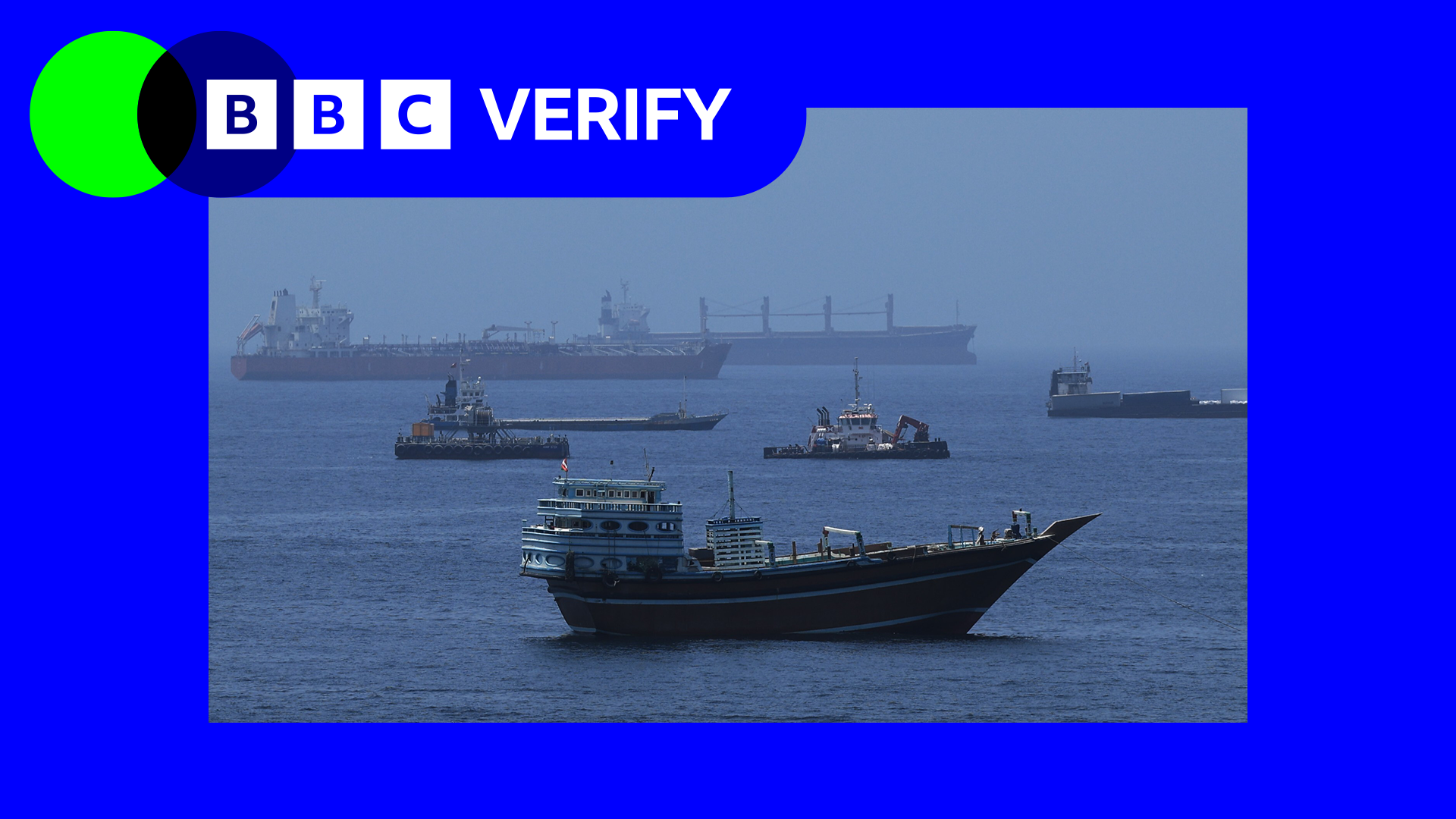
Only a small flow of maritime traffic continues through the vital waterway. After the attack on Iran by the U.S. and Israel in February, the Strait closed, and the world has lost roughly 20% of the oil it customarily imports. While the United States has diverted from Gulf oil dependency, American petrol prices remain tied to the global market, and the shutdown compounds economic fallout for Gulf states reliant on stable shipping routes.
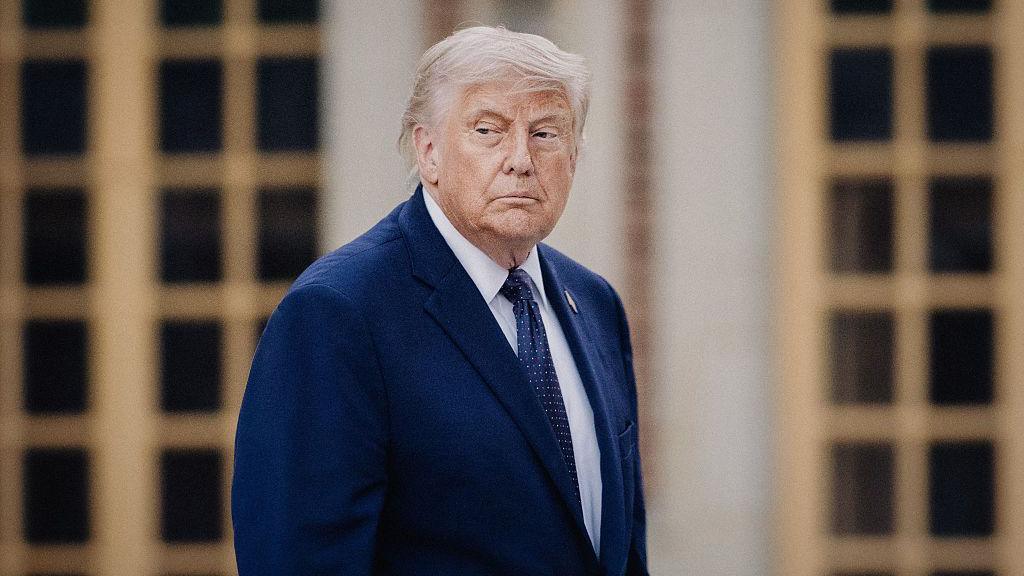
Trump’s position is precarious. His miscalculation of the regime’s endurance is still being felt—especially after the Anglia‑Benny‑Netanyahu nuclear misread. He faces a tough choice: reopen the Strait or conflate the aggression into a higher‑stakes military campaign that empowers hawks within his own party.
The U.S. must consider allowing concessions that could be branded as accepting a deal perceived as less advantageous than the 2015 nuclear accord. Such a move risks inflaming anti‑trade sentiments among Republican lawmakers and the broader public, especially since many Americans view further conflict against Iran as deeply unpopular.
One of the most consequential outcomes of this conflict is the long‑term damage inflicted on Gulf states’ economies. Their economic model depends on a stable Gulf that can continue to attract foreign investment, a potency that is depleted by sustained instability. Deterrence, commercial infrastructure damage, and shifting supply chains threaten many Gulf economies for years to come.
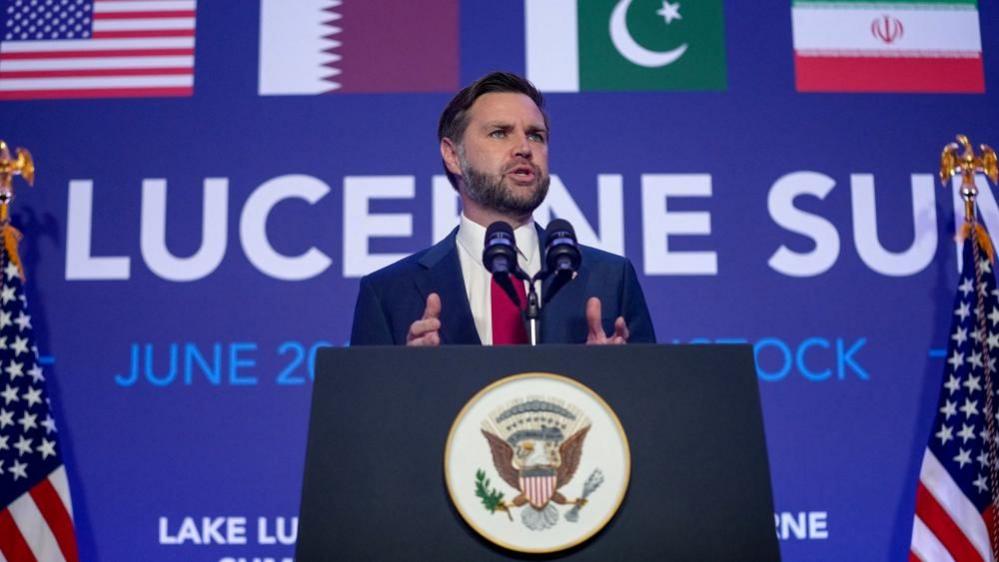
Qatar and Pakistan stand as key mediators in the diplomatic attempt to resume negotiations. Meanwhile, Saudi Arabia and the UAE are adopting differing responses: the UAE has doubled its ties with Israel’s Iron Dome defense, whereas Saudi Arabia has maintained that its retaliatory actions are independent of the U.S.–Israel coalition, despite claims of shared objectives.
The misapprehension that the overwhelming U.S. and Israeli air power could eliminate the regime remains untruthful. A regime that endured war, sanctions, and isolation for almost half a century shows that it possesses resilience beyond conventional war logic. As a result, the United States and Israel must live with the continued instability—a reality that reverberates across the globe.