Everyday Life in Asia is Being Upended by Iran War Fuel Crisis
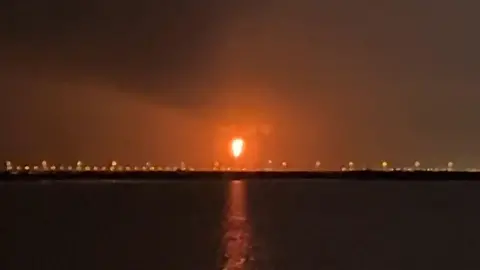
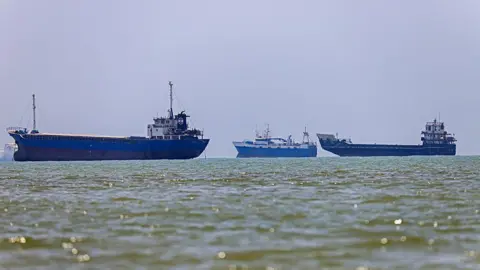
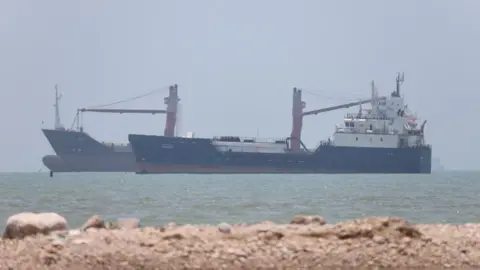
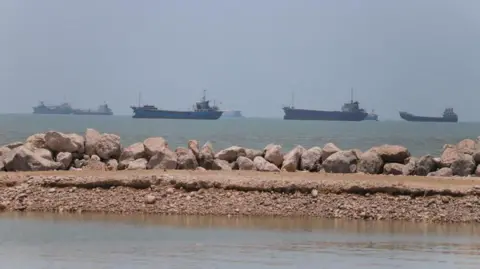
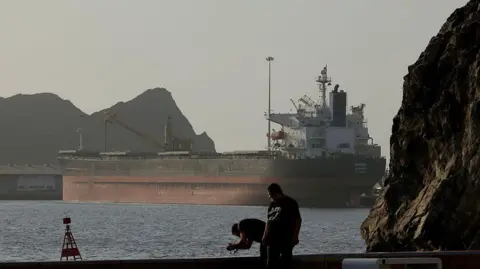
The effective closure of the Strait of Hormuz after the US and Israel began their war with Iran in late February has sent shockwaves across the globe. Oil prices have soared, and stock markets have wobbled as the world waits to see when Iran will allow the key waterway—through which about 20% of all oil passes—to reopen. Currently, only a handful of ships make it through the strait each day, while the attacks on energy infrastructure in the region have further escalated prices. Notably, Asia is at the epicenter of these challenges, with nearly 90% of the oil and gas from this strait destined for Asian markets.
Governments have been compelled to order employees to work from home, cut workweeks, declare national holidays, and close universities early to conserve fuel supplies. Even China, which reportedly has reserves equivalent to three months of imports, is limiting fuel price increases to mitigate the burden on citizens feeling the pressure of a near 20% increase in prices. The consequences of the war, though distant, are increasingly significant for everyday lives across Asia.
Philippines
In the Philippines, the government declared a national emergency to address the dangers posed to energy supply stability. The fallout from the conflict has hit hardest at jeepney drivers, with many reporting a drastic drop in daily earnings that have plummeted from approximately $17 to just $4 due to soaring fuel prices. Many drivers are now grappling with unimaginable uncertainty, having previously relied on their jobs to support families and educate children.
Thailand
Remarkably, the effects rippled into other nations like Thailand, where creative measures have been implemented to communicate the need to conserve energy. News anchors at Thai PBS removed their jackets on air to promote energy conservation amid the fuel crisis, signaling the collective awareness of the situation.
Sri Lanka
In Sri Lanka, people face the paradox of having the financial resources to acquire fuel, yet none available at the pumps. This new fuel crisis follows a recent financial tumult that left families and essential industries, including the food sector, in disarray.
Myanmar
In Myanmar, occupied by civil strife, authorities are enforcing an alternate-day policy for private vehicles to conserve fuel, resulting in social disruptions and fears of a burgeoning black market as residents adjust their lifestyles around the crisis.
India
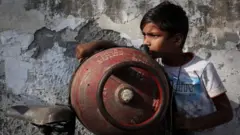
India, with approximately 90% of its liquefied petroleum gas shipments relying on the strait, is facing shortages that have forced numerous restaurants and services to shut down or reduce operations significantly. Migrant workers report dire economic consequences, with the uncertainty of livelihoods leading to widespread concern.
The overall quandary remains unresolved, with pressures building across multiple sectors and governments everywhere adjusting policies to reflect the uneven landscape of energy access prompted by distance conflicts. This crisis illustrates how interconnected our global systems are, and how risks can ultimately reverberate across oceans, severely affecting everyday life.