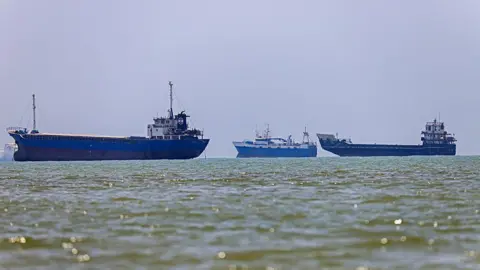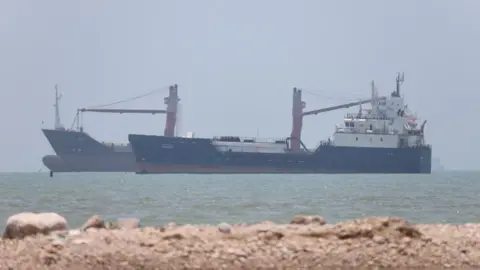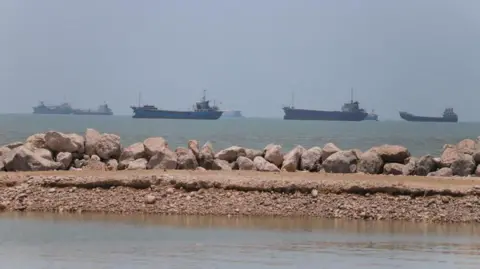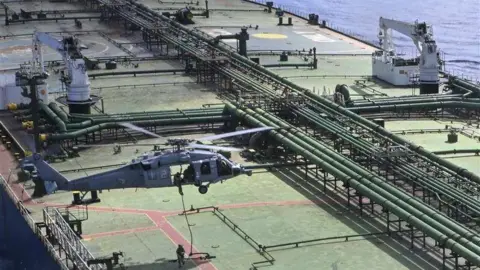
The US has announced that its forces boarded a sanctioned ship carrying Iranian oil in the Indian Ocean, marking a significant escalation in its naval operations against Iran. The operation involved the US Navy's 'maritime interdiction' of the M/T Majestic X, a vessel suspected of violating international laws set by the US sanctions on Iran. This interdiction is part of a blockade initiated on April 13, which has seen multiple Iranian-bound ships intercepted.
President Trump, during a recent White House event, emphasized a tough stance against Iranian activities in the Strait of Hormuz, a critical shipping lane. He declared that any vessels laying mines in the area would face lethal force from US Navy ships. The blockade has reportedly compelled 33 vessels to return to port, affecting Iran's oil revenue streams significantly, as per US Central Command’s protocol.
Responses from Iran have been intense, with officials labeling US interceptions as acts of piracy. The Iranian government has been under pressure from these maritime restrictions while also facing economic challenges exacerbated by ongoing sanctions. Trump asserts that these actions are designed to squeeze Tehran's economic contributions and are proving effective, claiming Iran is struggling economically amid the blockade.
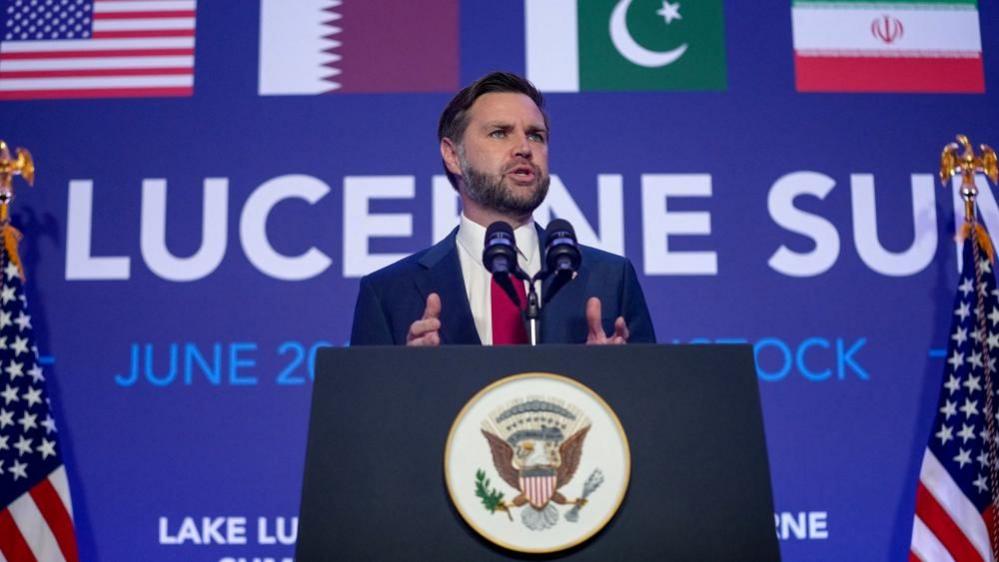
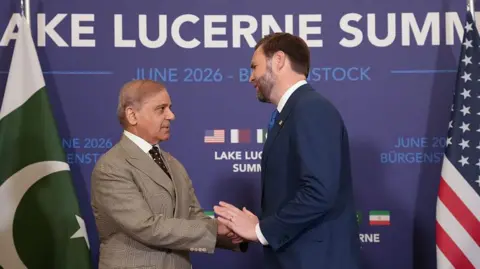
Despite a recent two-week ceasefire agreement brokered by Pakistan, the US continues its naval blockade operations. Iran's leaders maintain a narrative of resilience, suggesting that their economy and governmental unity remain intact despite external pressures. The heightened military presence and strategic maneuvers by both the US and Iranian forces in the area compound the volatile situation, with both sides affirming readiness for potential confrontations.
President Trump, during a recent White House event, emphasized a tough stance against Iranian activities in the Strait of Hormuz, a critical shipping lane. He declared that any vessels laying mines in the area would face lethal force from US Navy ships. The blockade has reportedly compelled 33 vessels to return to port, affecting Iran's oil revenue streams significantly, as per US Central Command’s protocol.
Responses from Iran have been intense, with officials labeling US interceptions as acts of piracy. The Iranian government has been under pressure from these maritime restrictions while also facing economic challenges exacerbated by ongoing sanctions. Trump asserts that these actions are designed to squeeze Tehran's economic contributions and are proving effective, claiming Iran is struggling economically amid the blockade.
Despite a recent two-week ceasefire agreement brokered by Pakistan, the US continues its naval blockade operations. Iran's leaders maintain a narrative of resilience, suggesting that their economy and governmental unity remain intact despite external pressures. The heightened military presence and strategic maneuvers by both the US and Iranian forces in the area compound the volatile situation, with both sides affirming readiness for potential confrontations.