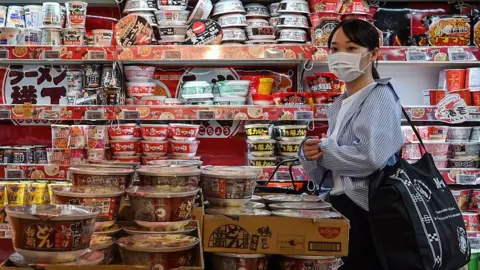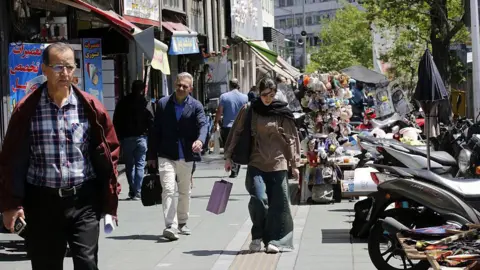
On a bright Tehran spring day, Sanaei Ghaznavi street, dotted with shops selling everything from groceries to fast food, captures the essence of normality. Yet, amidst the daily hustle, lies a stark reality where lives are being shaped by forces they cannot control. People navigate through the shadows of job losses and rising prices, all while clinging to hope.
Mohammad, a shopkeeper, expresses contentment in his work despite sparse foot traffic. He feels a sense of purpose, stating, It makes me happy to be in here, while his father, Mustafa, reminisces about better days with numerous customers that have now dwindled.
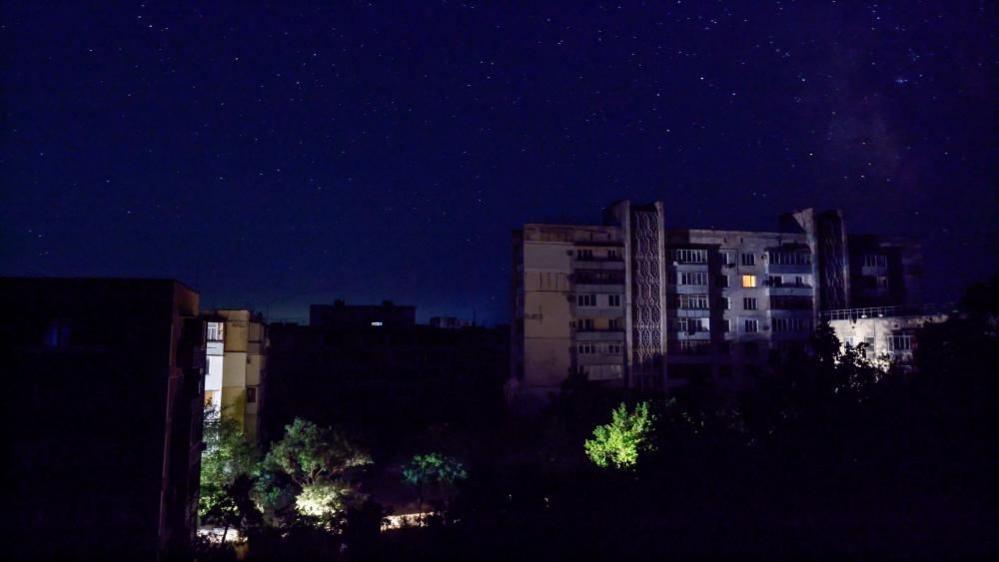
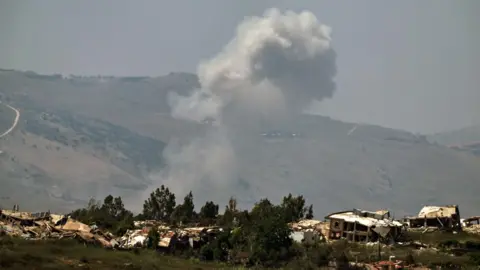
The severity of the economic situation is underscored by reports suggesting that up to four million jobs have been affected due to the ongoing conflict and restrictive internet access under government policy. Basic commodities have become luxuries; Shahla, a local elder, laments, People are paying three times more for a loaf of bread now. The divide between the affluent and struggling is palpable, prompting urgent calls for intervention.
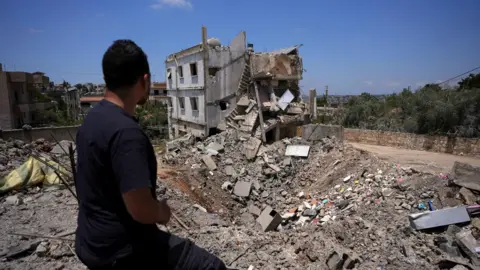
As discussions about the future revolve around a potential return to conflict, some citizens, weary of the deteriorating economy, express a paradoxical longing for war, believing that it may somehow pave the way for improvement. This sentiment reveals a depth of frustration that transcends simple conversations about peace and war.
While government sanctions and civil unrest have tightened freedoms, the city's culture endures. Cafes remain popular, and young women increasingly challenge mandatory dress codes, signaling a quiet resistance. Despite the heavy security presence, Tehran grapples with change, and gatherings continue at public squares where both dissent and support for the government manifest visibly.
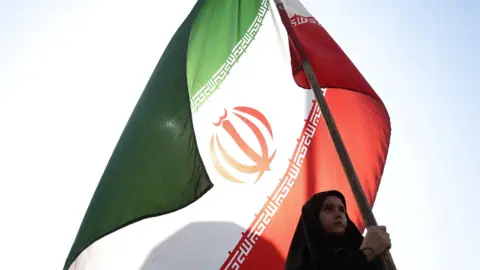
In this blend of hope and despair, Tehran stands as a microcosm of the broader Iranian struggle — one of resilience amid adversity, and the quest for a stable future in times of uncertainty.