A total of 518 people died in Tanzania from 'unnatural causes' in the wake of widespread protests that followed last year's general election, the commission of inquiry set up to investigate the violence has announced. However, commission chairman Mohamed Chande Othman did not say who was responsible for the deaths and recommended further investigations.
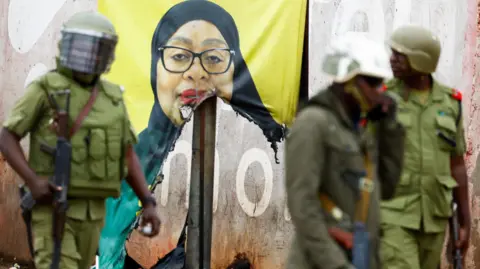
Opposition parties and human rights groups had previously accused the security forces of unleashing a brutal crackdown on anti-government protesters. President Samia Suluhu Hassan was declared the winner of the 29 October poll with 98% of the vote - which the opposition described as a 'mockery' of democracy. At the time, the president said the election was fair and transparent and blamed foreigners for the violence saying it was part of a plot to overthrow her.
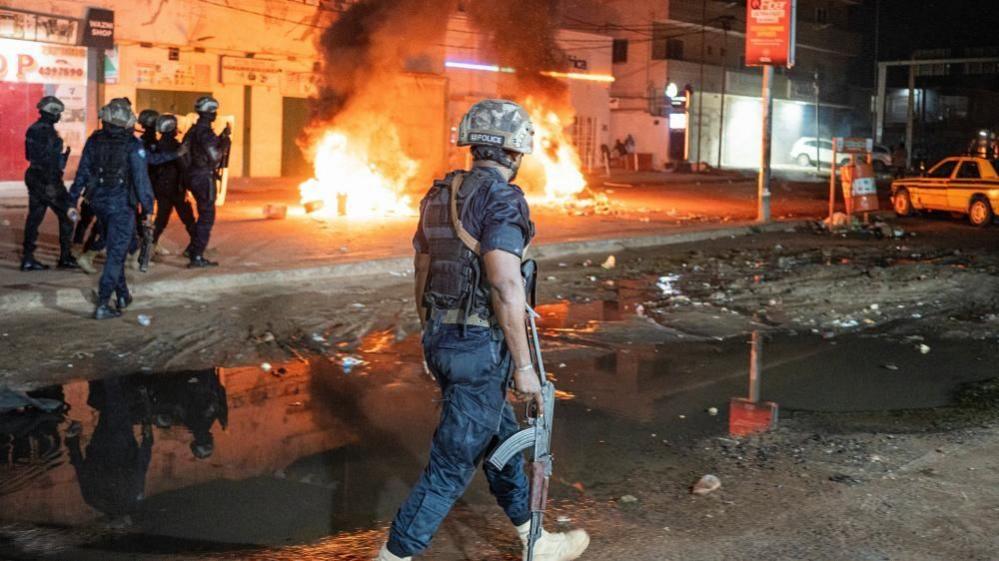
International observers, however, last year raised concerns over the lack of transparency in the vote, with the African Union and the southern Africa bloc Sadc saying the election had fallen short of democratic standards. Last year, the BBC verified multiple videos of police shooting towards groups of protesters. Footage posted online showed that demonstrators were confronted by heavily armed police units blocking their progress and firing tear gas to disperse crowds. In many of the videos, gunfire can clearly be heard as people scatter in the ensuing chaos.
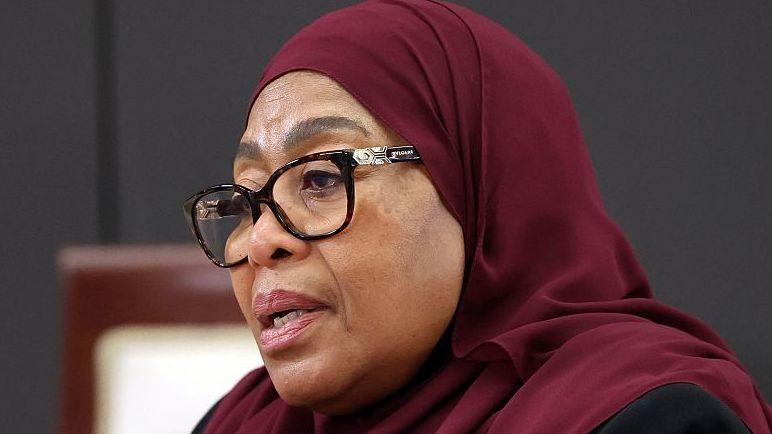
The scale of Tanzania's election violence was shocking for a nation that had cultivated an image of calm, consensus, and order for nearly six decades. Speaking after receiving the report on the violence, Samia said it 'shook our nation' and the government would take lessons from it. She also defended the actions of the security agencies, saying they had prevented the state from sliding into anarchy. 'We have learnt. The commission has told us that all the violence was planned coordinated, financed, and executed by people who were trained and given equipment for committing crimes,' she said.
The commission identified several underlying causes of the violence, citing economic, political, and social issues, including demands for political reforms, unemployment, and 'lack of patriotism'. It proposed setting up a commission of criminal inquiry to determine who is to be held accountable and that a new constitution should be in place by 2028, before the next general election, as well as a new commission to foster reconciliation.
Opposition parties and human rights groups had previously accused the security forces of unleashing a brutal crackdown on anti-government protesters. President Samia Suluhu Hassan was declared the winner of the 29 October poll with 98% of the vote - which the opposition described as a 'mockery' of democracy. At the time, the president said the election was fair and transparent and blamed foreigners for the violence saying it was part of a plot to overthrow her.
International observers, however, last year raised concerns over the lack of transparency in the vote, with the African Union and the southern Africa bloc Sadc saying the election had fallen short of democratic standards. Last year, the BBC verified multiple videos of police shooting towards groups of protesters. Footage posted online showed that demonstrators were confronted by heavily armed police units blocking their progress and firing tear gas to disperse crowds. In many of the videos, gunfire can clearly be heard as people scatter in the ensuing chaos.
The scale of Tanzania's election violence was shocking for a nation that had cultivated an image of calm, consensus, and order for nearly six decades. Speaking after receiving the report on the violence, Samia said it 'shook our nation' and the government would take lessons from it. She also defended the actions of the security agencies, saying they had prevented the state from sliding into anarchy. 'We have learnt. The commission has told us that all the violence was planned coordinated, financed, and executed by people who were trained and given equipment for committing crimes,' she said.
The commission identified several underlying causes of the violence, citing economic, political, and social issues, including demands for political reforms, unemployment, and 'lack of patriotism'. It proposed setting up a commission of criminal inquiry to determine who is to be held accountable and that a new constitution should be in place by 2028, before the next general election, as well as a new commission to foster reconciliation.