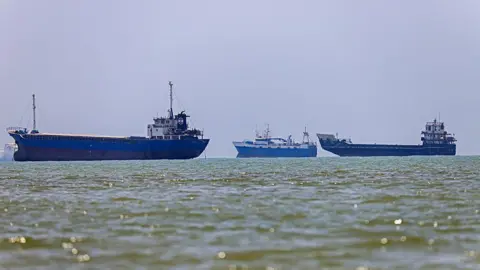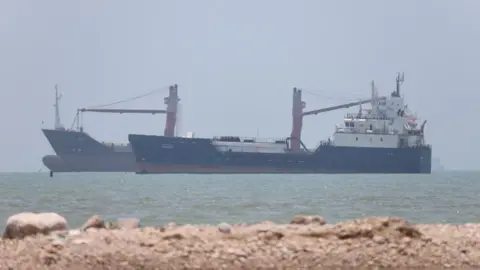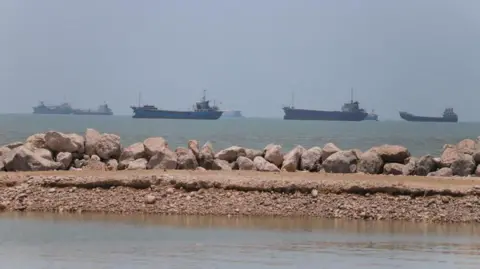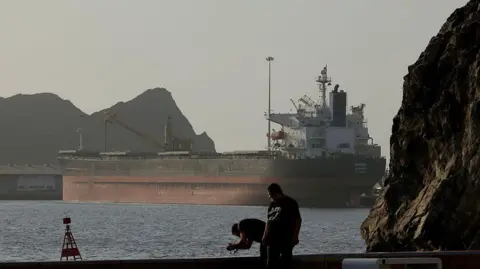
In a significant development, the ongoing tensions between the US and Iran have manifested as a blockade standoff in the Strait of Hormuz, a vital waterway for global commerce. Despite the recent extension of a ceasefire—confirmed through a social media post from US President Donald Trump—the situation remains precarious as both nations engage in a 'war of blockades', utilizing force to seize commercial vessels.
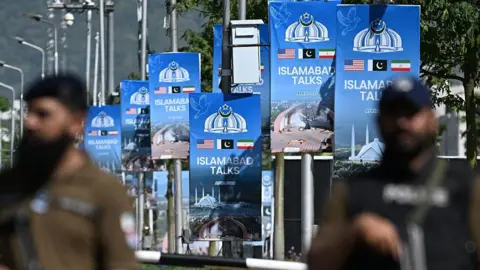
The atmosphere in the Strait is charged, with experts warning against the potential for an escalation of hostilities. Islamabad finds itself in a challenging position as it awaits the arrival of representatives from both Iran and the US for proposed peace talks. Meanwhile, parts of the capital remain sealed off, and the anticipated venue for discussions sits empty, underscoring the uncertainty surrounding diplomatic efforts.
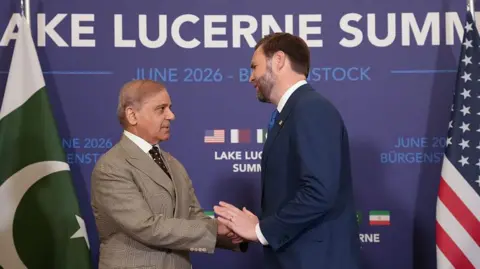
After several days filled with speculation, the once optimistic buzz has given way to a grim realization that Pakistan's opportunity to mediate between these two adversaries may be slipping away. Prime Minister Shehbaz Sharif has vowed to continue pushing for diplomatic resolutions, highlighting Pakistan's commitment despite the fading prospects.
Simultaneously, Trump has conveyed that a deal may still be on the table in the coming days, though skepticism abounds regarding his mixed messaging, which oscillates between hostility and offers of negotiation. Iranian officials have openly dismissed Trump's claims of a fractured regime, asserting that they will not jeopardize the ceasefire, especially given the toll of ongoing conflict.
The reluctance of the Iranian delegation to make the short flight to Islamabad fuels further speculation about their willingness to engage, leaving observers questioning whether diplomatic channels can be effectively utilized under these strained circumstances. With the geopolitical landscape continuously shifting, it remains to be seen if Pakistan can facilitate a breakthrough in this complex and vital dialogue.