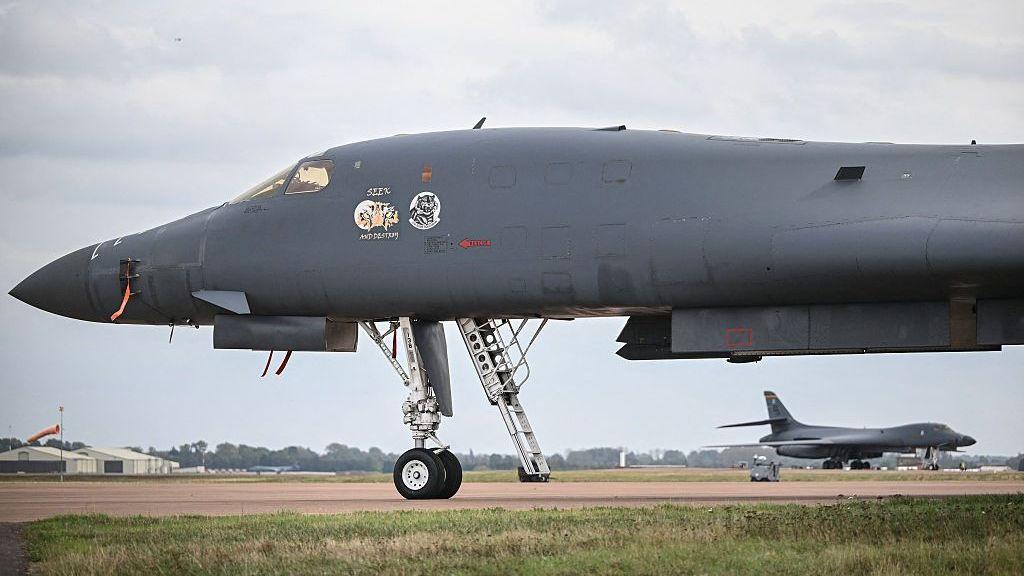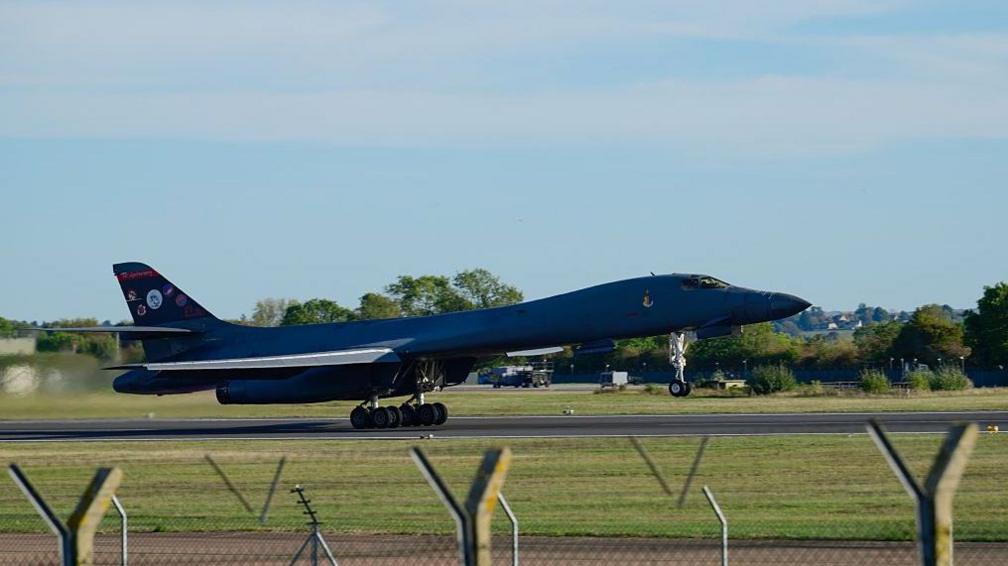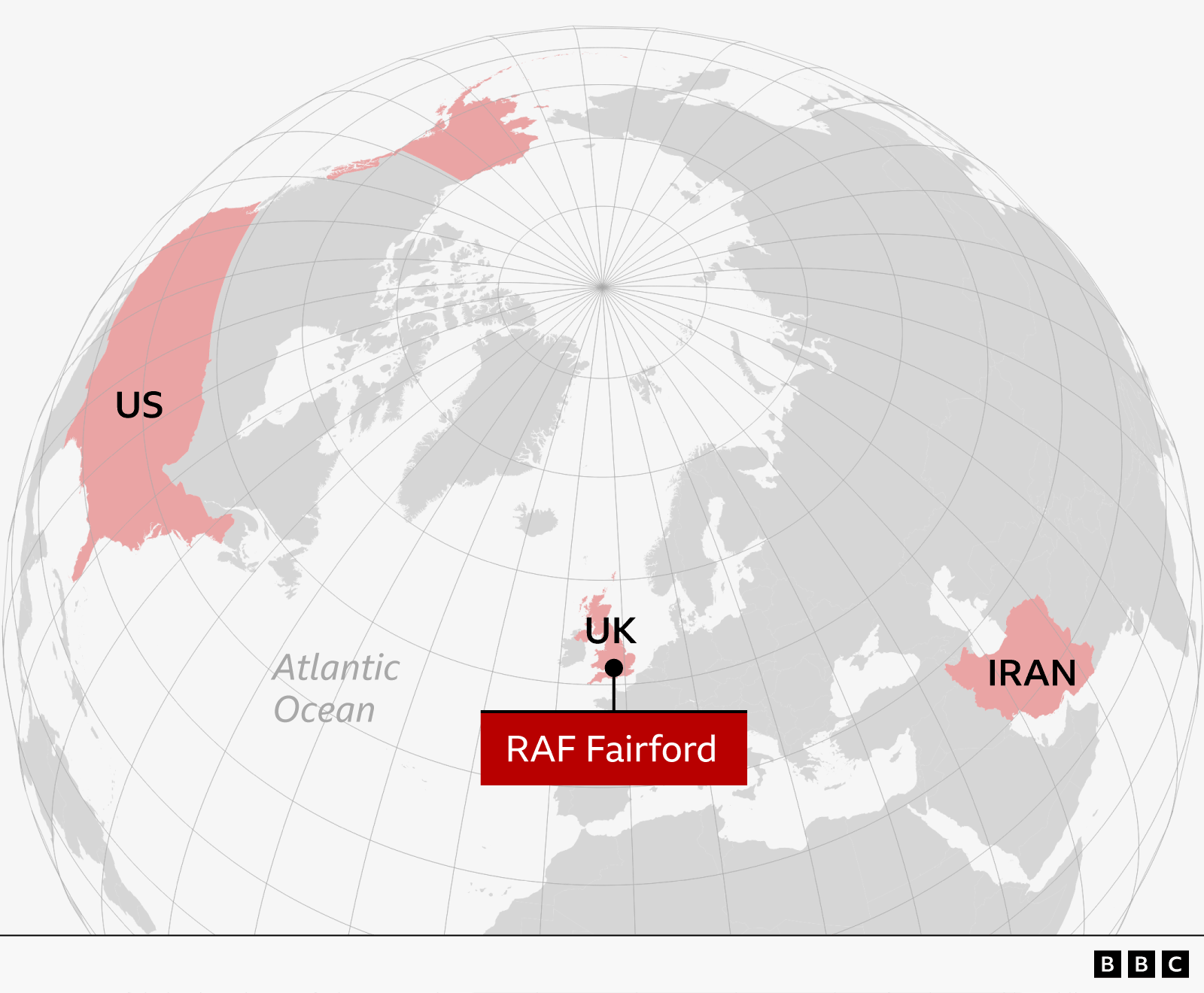
On the night of Tuesday, 4 October, a fleet of twelve U.S. B‑1 Lancer strategic bombers vacated the skies above RAF Fairford with unprecedented speed. The rapid exodus, carried out without prior public warning, has stunned military observers and raised pressing security questions.
The U.S. Ministry of Defense said the decision was driven by an “extreme precaution” assessment of a potential threat linked to the ongoing tension with Iran. A senior U.S. official cited newly surfaced intelligence that suggested weapons could be directed toward the base following a series of arrests of men suspected of terrorist activity in the region. Iran, meanwhile, has consistently denounced any military cooperation with the United States as illegitimate.
The airbase had been a key staging point for American operations against Iranian missile sites for the past seven months. Twenty‑plus B‑1s had been rotated through Fairford and other UK bases in the joint UK‑US mission against Tehran’s strategic infrastructure.
The scramble to depart was visibly hurried. Witnesses reported that tanker aircraft refueling the bombers were still operating as crews were ordered to take off, and that B‑1 crews were on the launch pad when orders were received. The urgency suggests the intelligence was deemed actionable and could no longer risk delay.
UK’s counter‑terrorism police have been investigating the events at Fairford, reviewing CCTV footage and interviewing the detained suspects. According to British officials, the investigation is still open, and no definitive link between the arrests and the bomber departure has yet been confirmed.
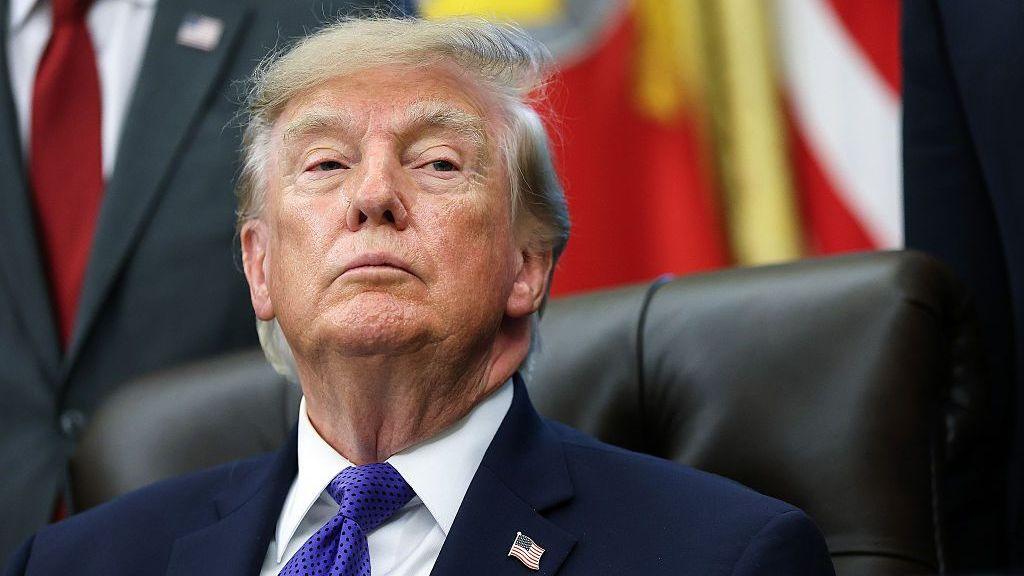
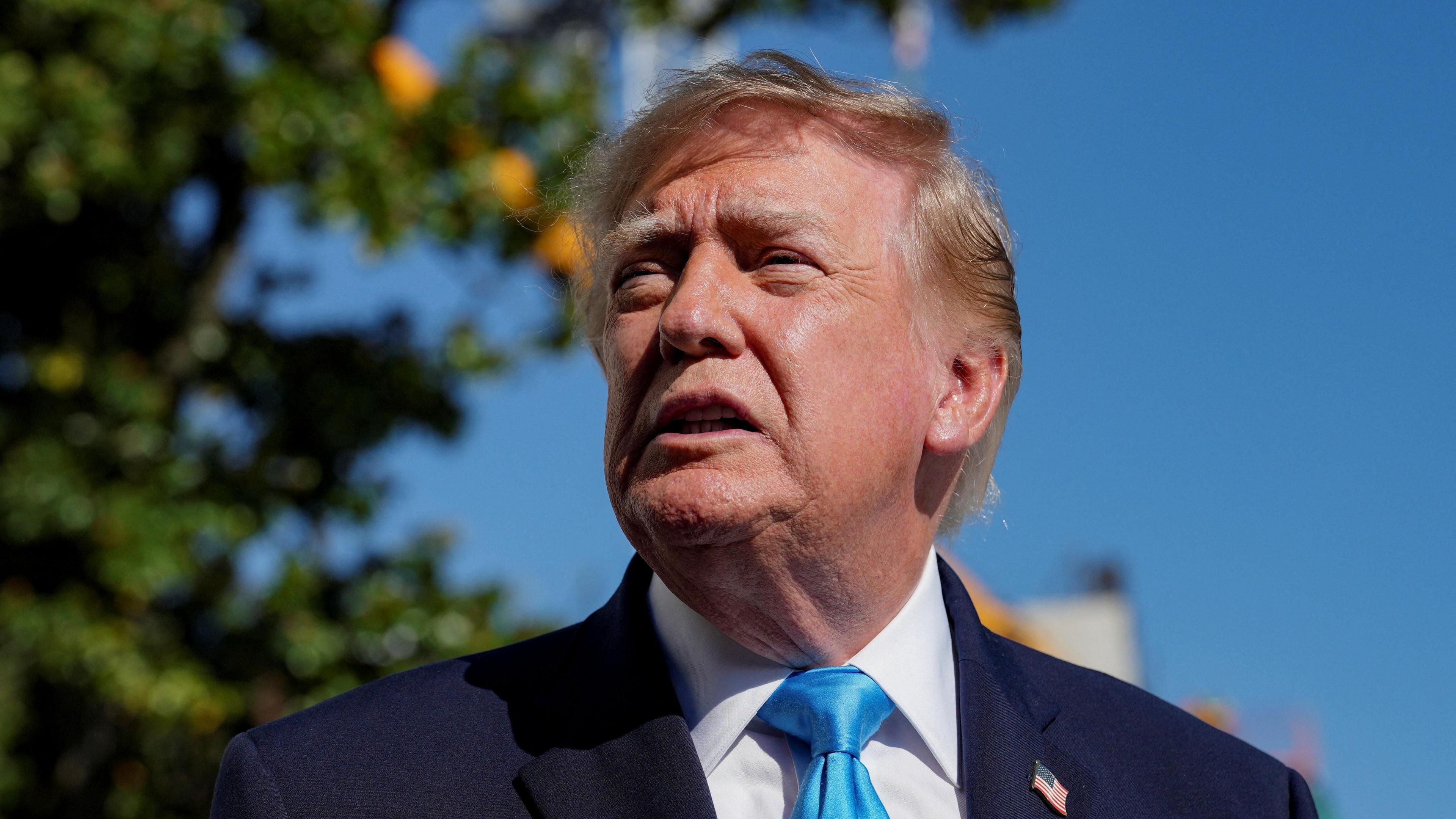
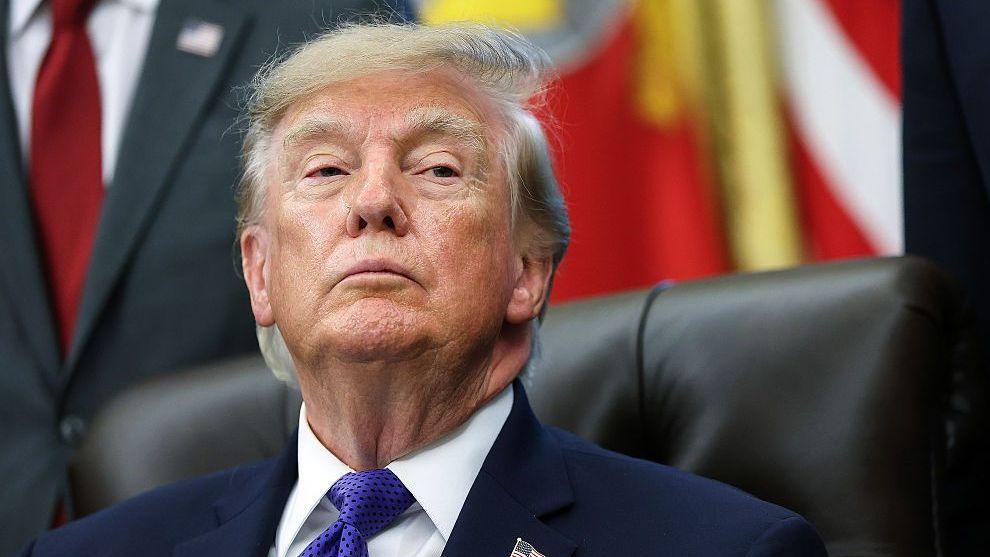
President Donald Trump, the speaking U.S. leader during the announcement, cited “some threats” to the base as the primary reason for the evacuation. He thanked the U.S. military for “shifting the planes around a little bit” in order to avoid tempting a potential adversary.
The incident has underscored the strain on the U.S.–UK alliance’s joint security framework. While the United Kingdom remains a close ally with its own contingent of American troops on British soil, the episode has highlighted possible gaps in base security that come to light during rapidly evolving conflict dynamics.
Although the U.S. remains confident it can deploy the B‑1s from its continental United States bases, the loss of the rapid forward‑deployment capability that RAF Fairford provided will affect operational tempo. Analysts point out that the cost of repositioning the bombers, estimated at roughly $330 million each, will further strain the U.S. defence budget, especially in light of recent Iranian strikes on U.S. assets abroad.
The drawdown is viewed by many as a symbolic retreat. By abandoning the forward position in the UK, the U.S. establishes a precedent that could embolden countries that threaten its overseas stations. Iranian officials have recognised the departure as a strategic moment that showcases the vulnerability of a forward‑post.
The episode will likely prompt a rigorous review of NATO‑UK airbase security protocols. While the United Kingdom continues to host American forces at Fairford, Mildenhall, and Lakenheath, the U.K. is expected to tighten perimeter controls and conduct comprehensive risk assessments across all US‑maintained installations.
The broader context remains the same: the United Kingdom remains at peace with Iran, whereas the U.S. feels it is in a declared state of war. This divergence complicates joint patrols, as the American forces must balance their presence with the host nation’s security diplomacy.
The ongoing investigations are drawing sharper attention to how intelligence is shared, reported and acted upon by allied militaries. The outcome of the process could reshape future decisions regarding forward‑deployed platforms in a region where strategic balance is increasingly fragile.
Meanwhile, residents near RAF Fairford have expressed relief over the removal of the bombers, whom they suspect may contribute to base security risks. Local police report that large armed forces remain on the ground, but travel is restricted to mitigate potential security incidents.