U.S. watches Russia’s plague lab tragedy closely
On 5 October 2026 a laboratory technician named Daria, 28, died at the Anti‑Plague Institute of Siberia in Irkutsk. Police investigators have ruled her death as “pneumonia of undetermined etiology,” but the Russian health watchdog Rospotrebnadzor says no microbiological agents related to her work were found in her samples.
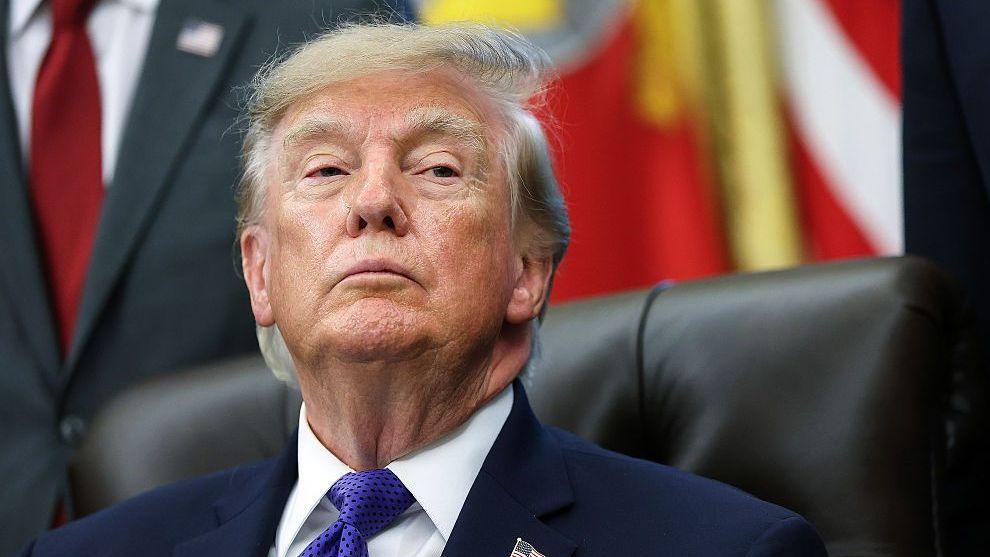
President Donald Trump announced that Washington is looking “very strongly” at the incident and that the U.S. will offer help to Russia if needed. Speaking to the press, he added, “We’ll help. Everybody who has that kind of a problem, we’ll always help.”
Secretary of State Marco Rubio echoed the sentiment, stating the U.S. is keeping a close eye on the situation. He cautioned that a pneumonic form of plague can transmit between humans and, if leaks occurred, could spread quickly. “I don’t think it’s cause for alarm but it is a focus for monitoring,” he said.
Early reports suggested Daria might have been exposed after breaking a test tube of Yersinia pestis or during a field trip to the Buryatia region, where plague is endemic among wild rodents. Nevertheless, no other staff members at the institute have reported symptoms, and a safety audit concluded that the facility remains in compliance with biosafety standards.
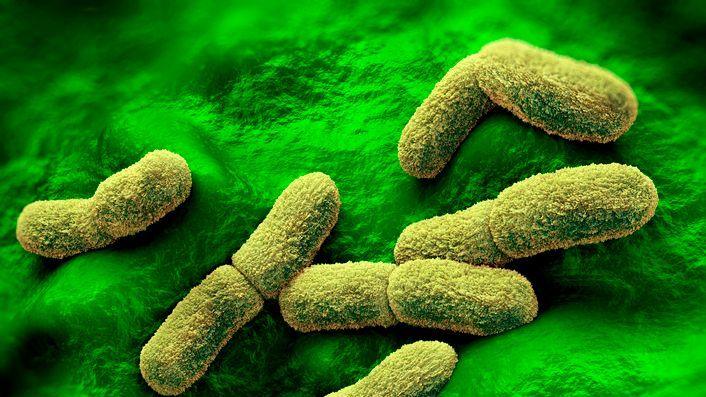
The bacterium in question is Yersinia pestis, the culprit behind the Black Death of the 14th century. While it remains a rare threat today, scientists stress that pneumonic plague can still cause severe outbreaks if unchecked. At the BBC’s PM programme, Professor Simon Clarke explained that the disease is almost always fatal if untreated but can be cropped out with prompt antibiotics.
Clarke also warned that the dual‑use potential of plague research could raise concerns. “Because this is Russia, some people are thinking about bioweaponry, but I think our earlier explanation is more likely,” he said.
The incident highlights the necessity for robust biosecurity measures at laboratories working with pathogens of high consequence. Global health authorities will continue to monitor the situation in Siberia closely.