France Prepares for Nationwide School Protest Amid Injury Scares
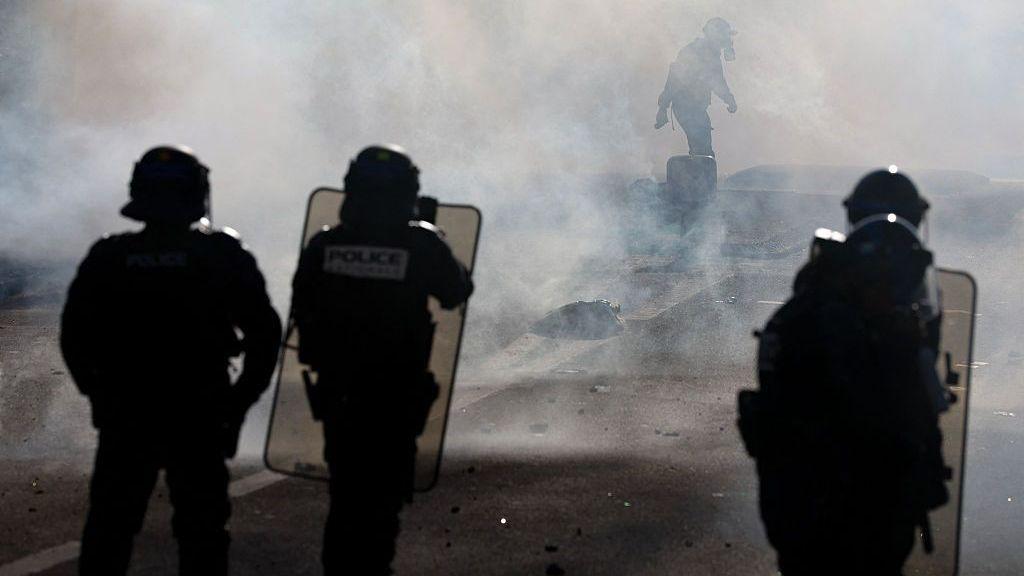
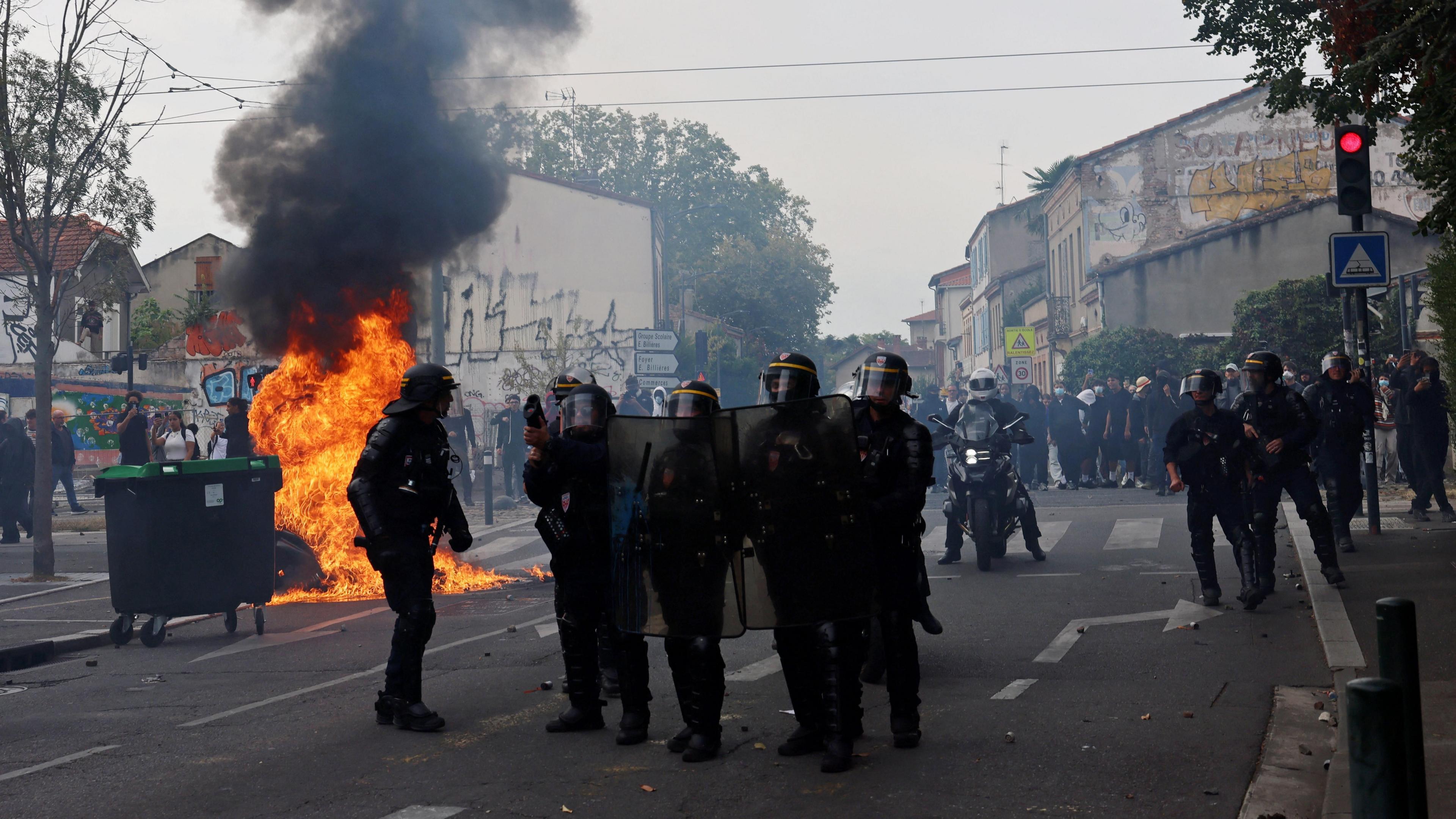
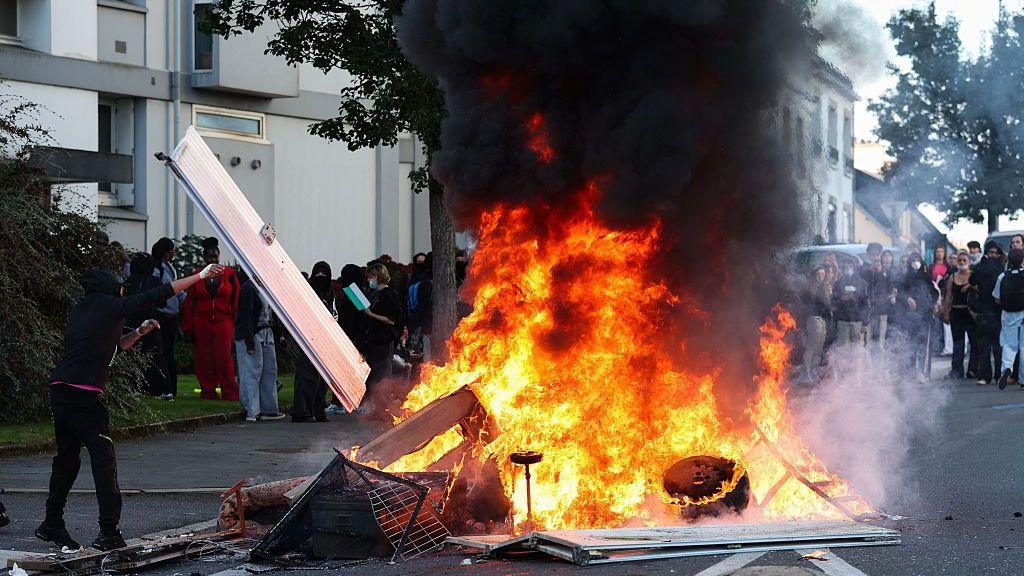
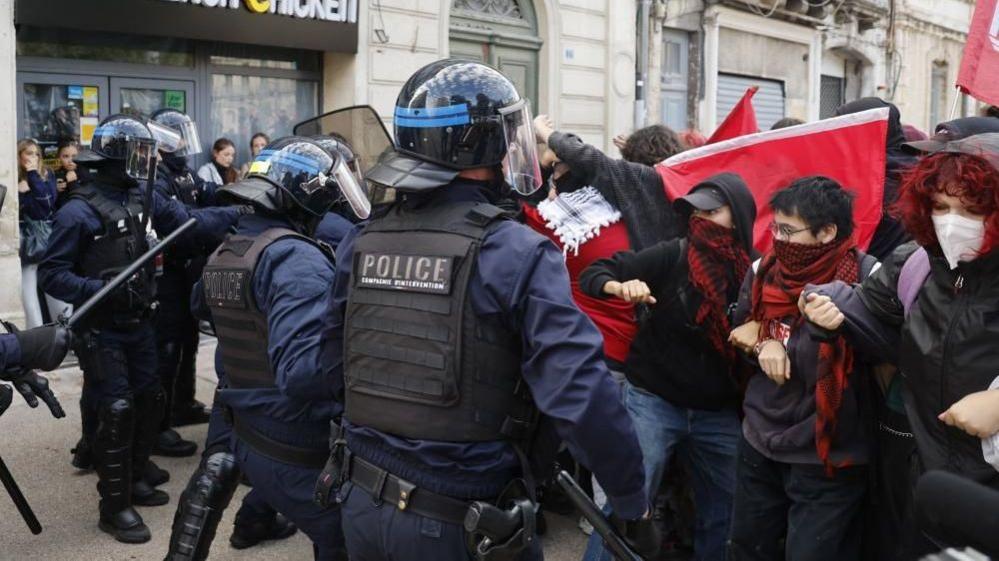
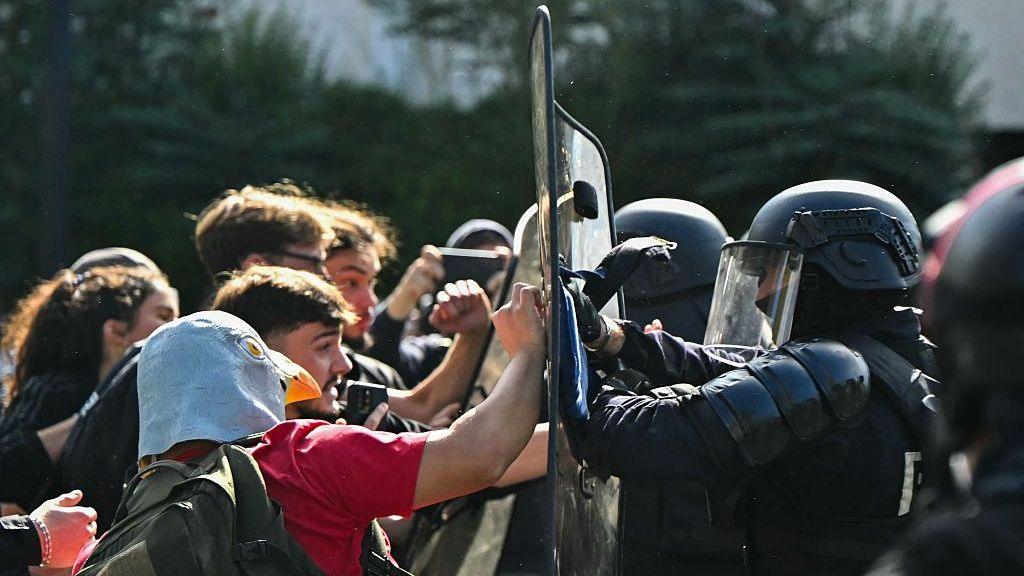
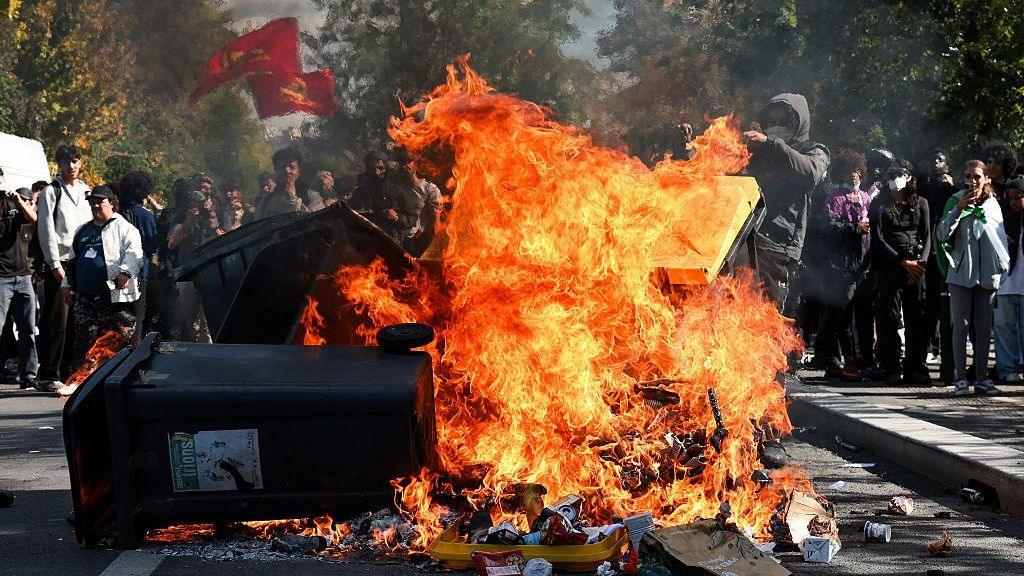
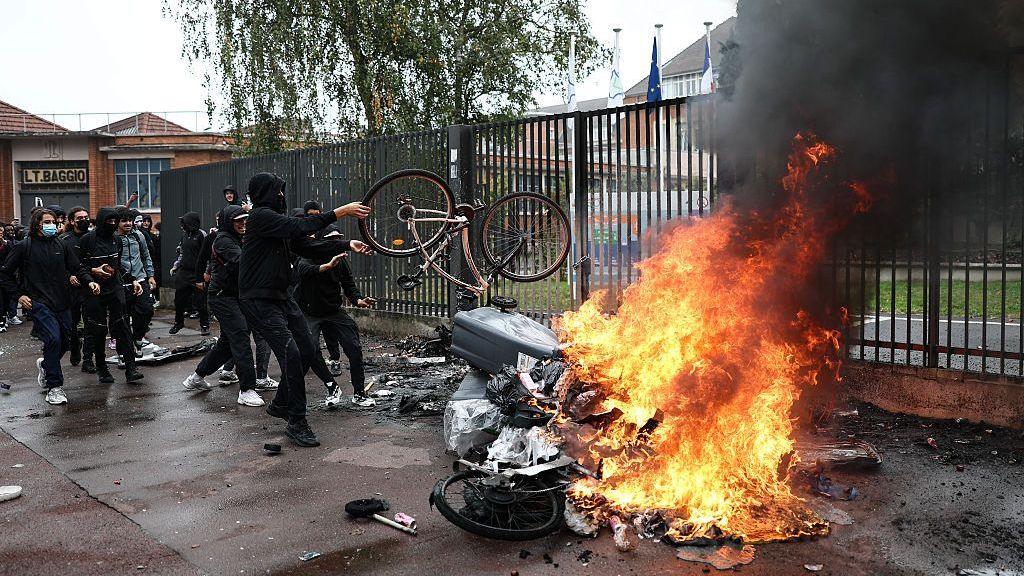
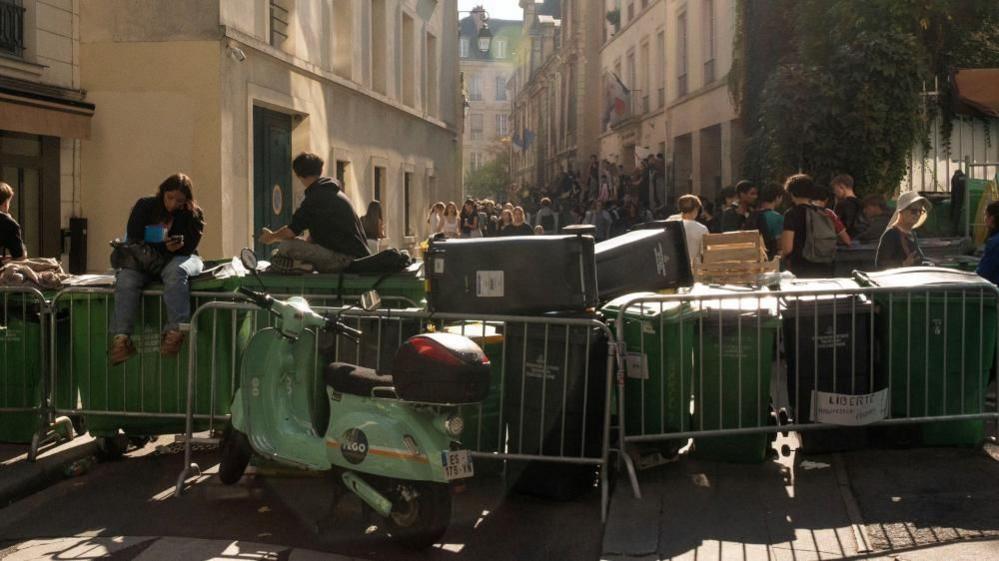
French students have organized a national day of action, following a week of intense demonstrations that saw hundreds of schools blocked and more than 190 students injured.
The movement, which began in Paris last September, has spread across the country, with 5,000 people arrested, 87% of whom are minors. Among the most dramatic incidents, a 15‑year‑old boy lost a hand after a confrontation near a school in Lens, while another teenager sustained a double jaw fracture after being struck by a tear‑gas grenade in Saint‑Ouen‑l’Aumône.
Prime Minister Sébastien Lecornu announced measures to address the problems faced by secondary schools, vowing “visible changes” but also warning that no concessions would be made to violence. Education Minister Édouard Geffray said 24 schools have been burned or ransacked since the protests began.
The Union Syndicale Lycèenne (USL) claims the government offers nothing concrete, calling the protests a “political deadlock.” In response, teachers’ union SNES‑FSU urged its members to join Tuesday’s march. Meanwhile, left‑wing leader Jean‑Luc Mélenchon praised the protests as the strongest since 1968, while Marine Le Pen critiqued the left for organising the unrest and called for new anti‑riot legislation.
The divisions reflect a broader political battle: hard‑right figures blame the left for fuelling the movement, while left leaders accuse police of excessive force. The protests have kept the French public’s attention on education policy just months before the next presidential election, as the government works to calm tensions and restore order.