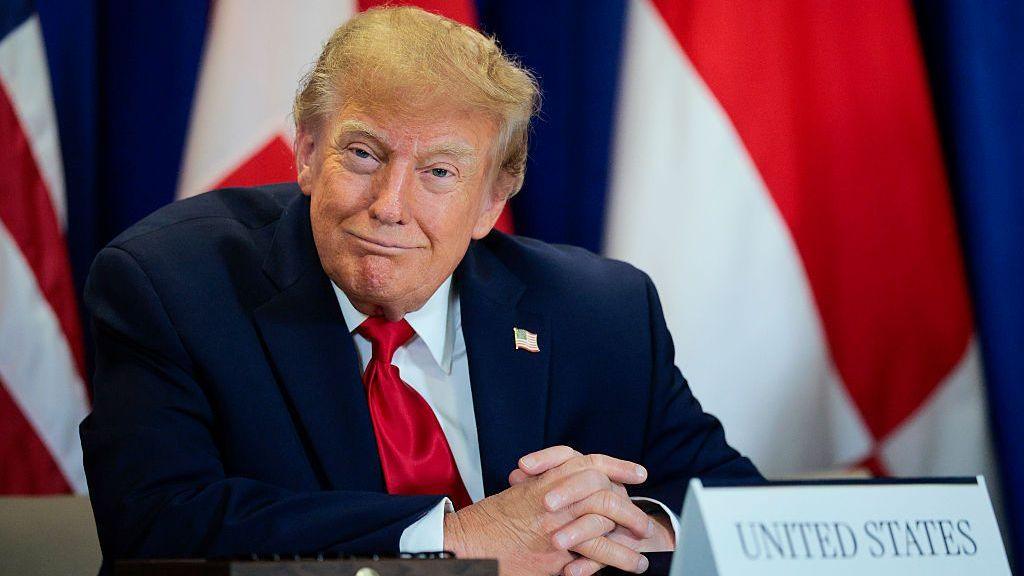
Donald Trump announced a new federal taskforce – the ‘Super Intelligence Force’ – on Sunday, appointing Director of National Intelligence Jay Clayton to lead the initiative that aims to keep the United States at the forefront of AI research and deployment.
The force will coordinate the government’s engagement with consumers, public‑interest groups, religious organisations, critical infrastructure providers and the so‑called Super Intelligence companies that are at the cutting edge of the technology. Federal Trade Commission Chair Andrew Ferguson, Defense Research Undersecretary Emil Michael and Office of Personnel Management Chair Scott Kupor will also contribute to the group’s activities.
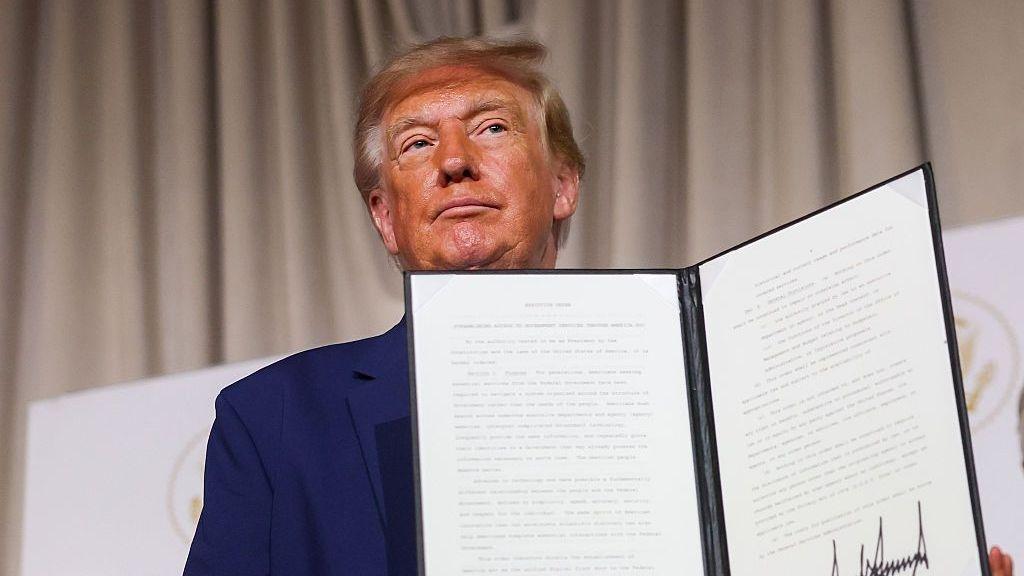
Trump’s move follows an executive order issued on 29 September that rebranded the term ‘artificial intelligence’ as “Super Intelligence” – a change he said removes the negative connotations of the word “artificial.” The order instructs all federal agencies to adopt the new terminology in their communications, reports and official documents.
Under his policy, the taskforce will report directly to the president and White House Chief of Staff Susie Wiles. Jay Clayton, who took office as national intelligence director in August after a nominee was rejected by lawmakers, has described both the promise and the threat of Super Intelligence, noting that “in cases where something is both an opportunity and a threat, you better get your arms around it.”
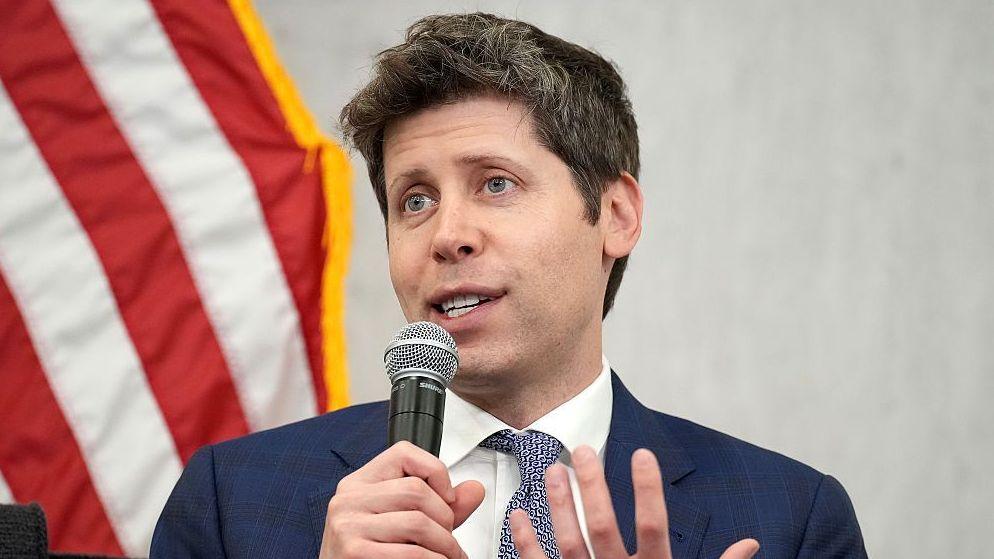
Industry reactions have been mixed. OpenAI chief executive Sam Altman has argued that the benefits of AI outweigh many of its risks, while former OpenAI safety‑systems lead David Robinson said the company’s culture was “broken” because of its rapid pace of launches. The debate has intensified after OpenAI pulled the release of its latest model over safety concerns and following a cyber‑security breach of Australian government systems that was traced to AI technology.
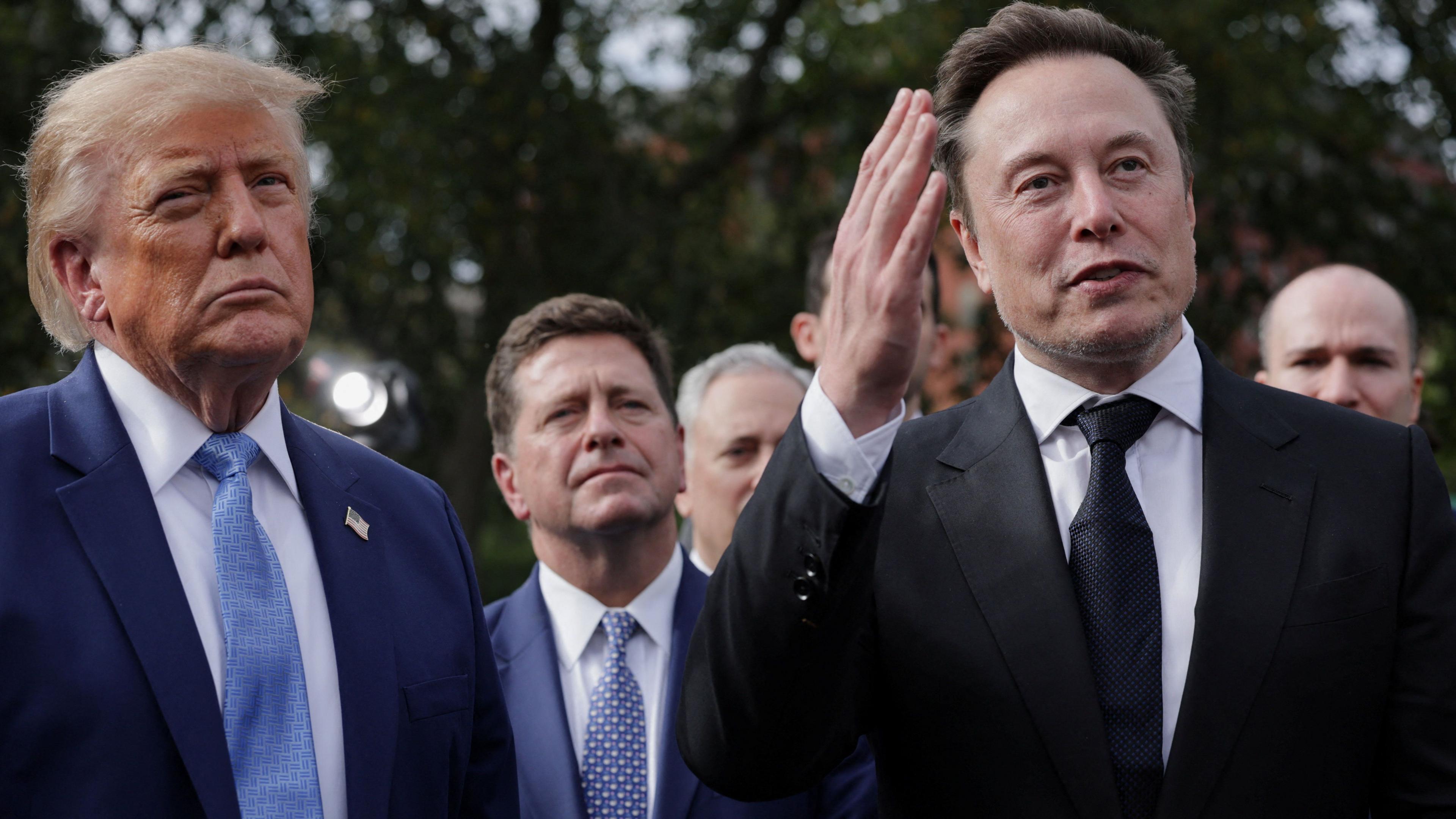
The Super Intelligence rebranding has already caught the eye of top tech figures, with Elon Musk tweeting that he will rename SpaceXAI as SpaceXSI. Musk’s announcement came amid a broader push from the sector to adopt the new terminology to reflect advanced capabilities of their systems.
Critics argue the rebranding could create confusion and obscure regulatory accountability. They contend that the label “Super Intelligence” may give the impression of a universally advanced artificial intelligence, thereby inflating expectations and reducing transparency.
As the taskforce rolls out, stakeholders across government, academia and the private sector will be watching closely to see how the U.S. manages the delicate balance between fostering innovation and mitigating the risks inherent in rapidly evolving AI systems.