Arrest of US Marine Over Murder Ignites Okinawa Protests

The arrest of 20‑year‑old U.S. Marine Lance Corporal Devin Jacob Ballard for allegedly robbing and murdering a Japanese hotel guest has reignited anger in Okinawa over the long‑standing presence of U.S. forces on the island.
"Not again," 52‑year‑old resident Ai Sato told the BBC. “Nothing has changed since I was a child. How many times will we repeat the same thing, create more victims, and cause unbearable suffering?”
Ginowan inhabitant Akemi Oshiro, 62, echoed the frustration, saying she has stopped being surprised by such incidents, even as they keep happening.
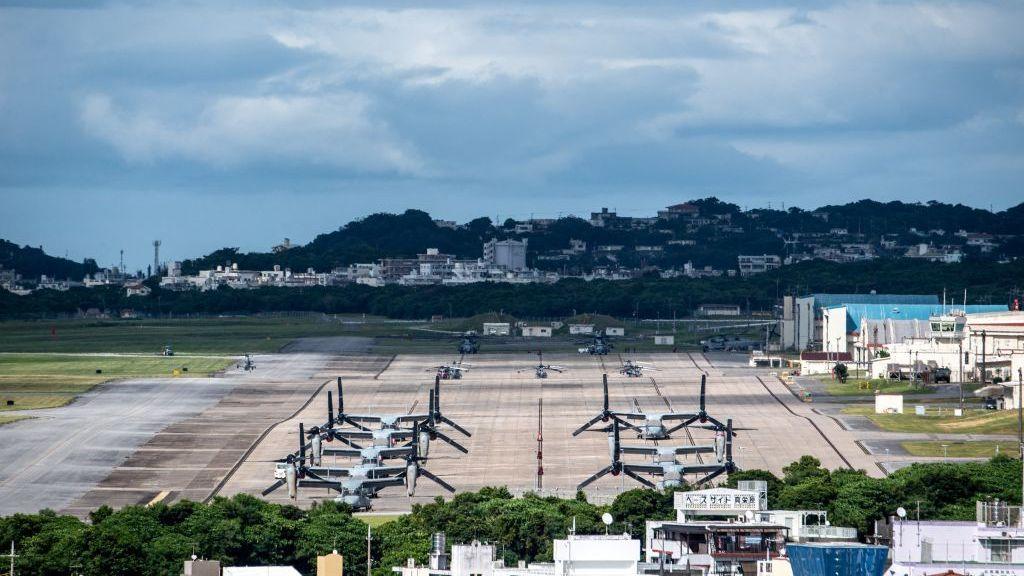
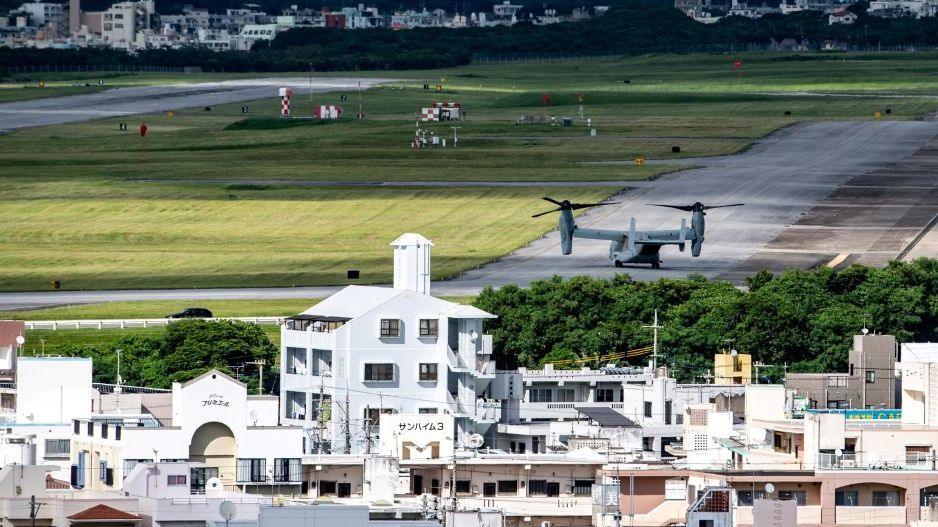
Okinawa hosts the largest U.S. military footprint in Japan, with more than 30,000 American troops stationed on the islands and 70% of the land used exclusively by the U.S. to that point. The Marine Corps accounts for a large portion of the force.
Ballard was assigned to the III Marine Expeditionary Force and stationed at Marine Corps Air Station Futenma when Japanese police detained him. The suspect is in custody because the alleged crime was not part of official military duty. Jurisdictional rules allow Japan to take the case while the Marine remains under U.S. custody until formal charges are filed.
Victim Anna Yagi, 39, was found dead early on 3 October in a hotel room in Naha. Security footage reportedly shows Ballard entering the hotel with Yagi, then leaving alone with her belongings. Local reports indicate Yagi was reportedly strangled with a cord.
Prime Minister Sanae Takaichi registered an official protest on behalf of Japan with U.S. officials; however, many locals feel that diplomatic gestures fall short of demanding concrete measures to prevent future crimes.
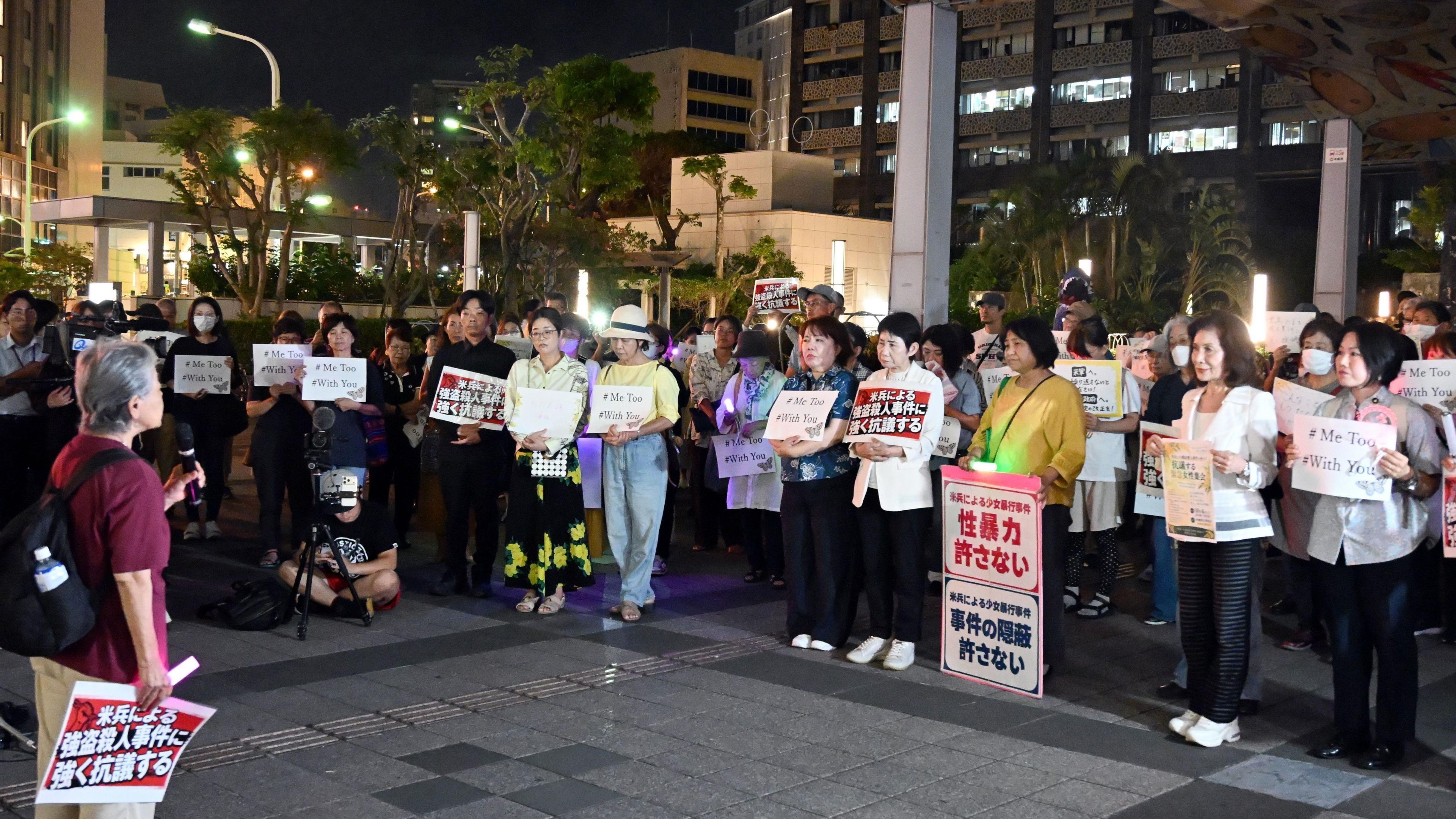
The incident has sparked protests throughout Okinawa, with around 100 demonstrators gathering in Naha and Tokyo. Social media choked with outrage, viral calls for justice, and demands that the U.S. and Japanese governments act decisively.
Okinawans recall past incidents—such as the 2016 rape and murder of a 20‑year‑old local woman and the 1995 abduction of a 12‑year‑old schoolgirl—that have fueled decades of opposition to the U.S. military base system. Since 1972, the Okinawa Prefectural Government has recorded 6,409 arrests of U.S. military personnel for criminal offenses.
Local residents continue to argue that the U.S. presence stokes resentment over accidents, crimes, and disruptions. The renewed protests underscore the urgent call for a reassessment of the status of U.S. forces on Okinawa.