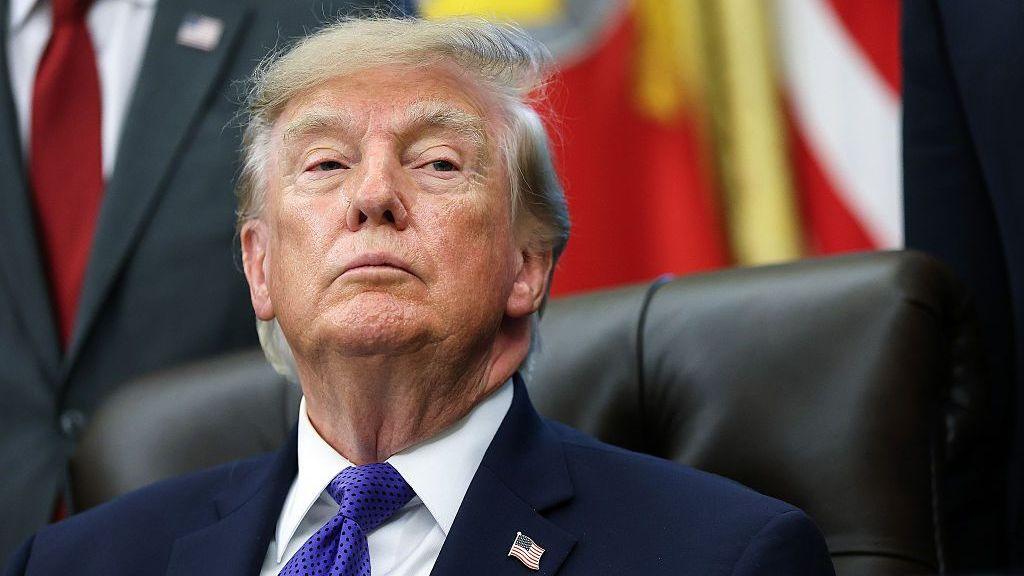
Trump Announces End to Taxpayer-Funded Ads Amid Bipartisan Concern

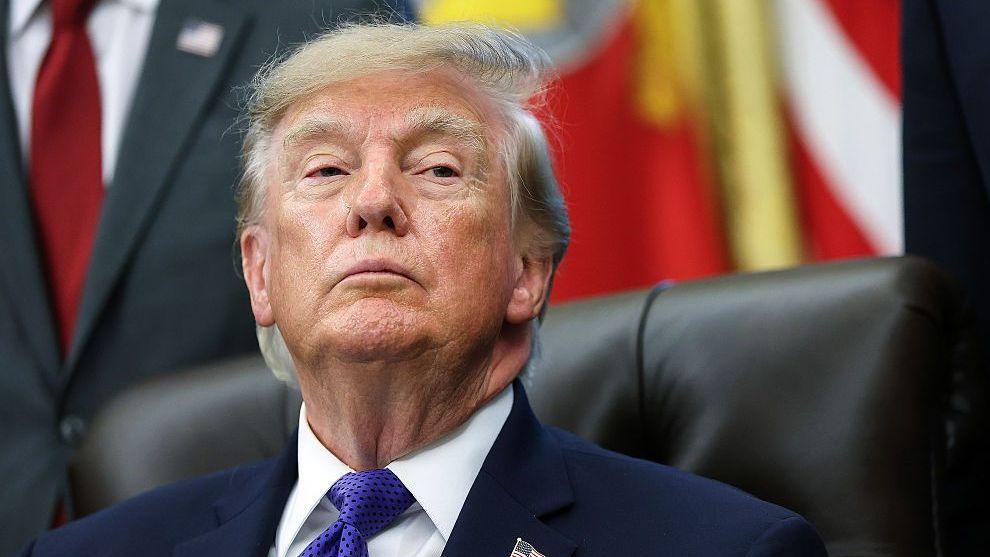
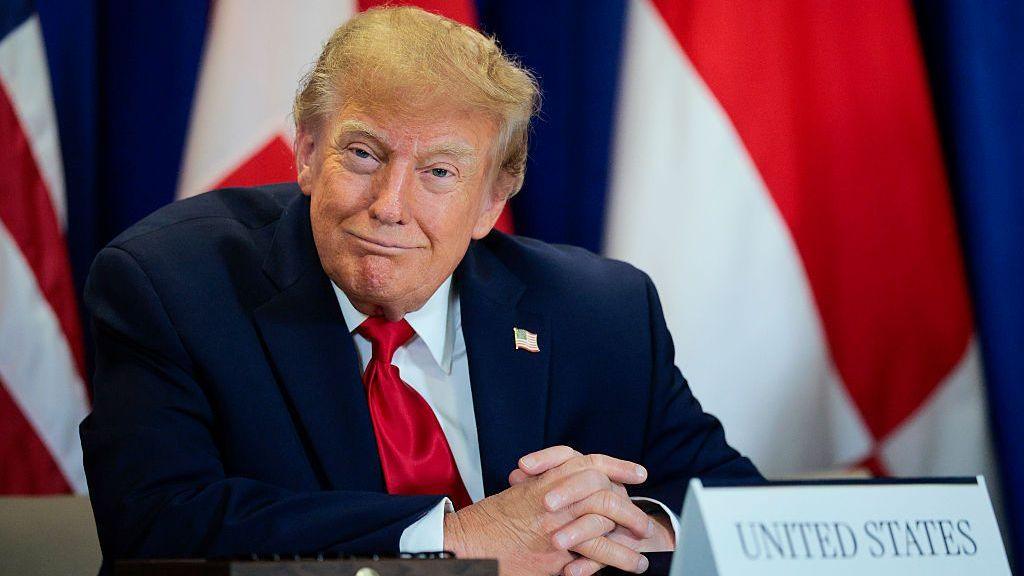
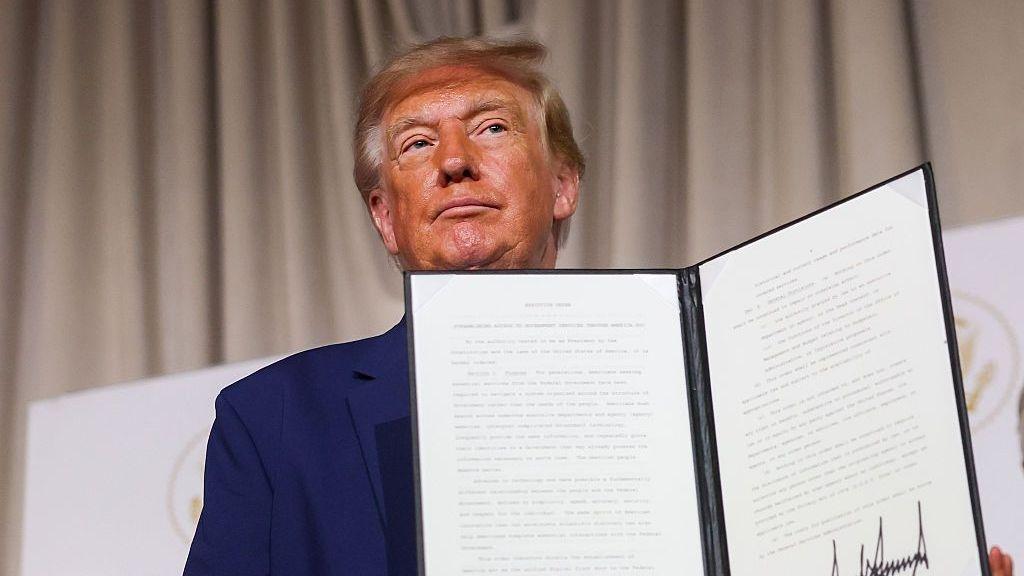
President Donald Trump said Monday that he will no longer pay for television adverts with U.S. taxpayer money, a decision that comes after bipartisan pushback.
During a post on his social media platform, the president called the ads a positive promotion of his administration and noted that he regards them as standard practice, though he has now chosen to fund them with money raised through his MAGA Inc. super‑PAC.
The eight adverts aired in recent weeks celebrate Trump’s tax‑cut plans, domestic manufacturing agenda and strong stance on law and order. In one clip, he claimed a fate for communist, Marxist and fascist ideologies, urging Americans to battle what he terms a “sick political class.”
These breaks in campaign finance are set against the backdrop of the November mid‑term elections, where a presidential popularity dip could influence congressional gains. Republicans and Democrats alike have weighed in, with Senate Majority Leader John Thune telling reporters he liked the messaging but did not favor government sponsorship.
Legal experts argue that past U.S. government advertising has typically addressed public health or emergencies, not private political promotion. Margaret Dylus‑Yukins, a law‑ethics scholar, said it is “difficult to see any legitimate government purpose served by spending taxpayer dollars on adverts that merely promote the president.”
Senator Maggie Hassan introduced a bill to prohibit federal funds for such advertisements, but her measure was blocked by a Republican vote. The controversy remains as DOE and court scholars assess compliance with election finance statutes.
By steering the funding of his promotional spots to private sources, Trump may be looking to avoid further legal scrutiny and to keep the vision of a “Great U.S.A.” in a political narrative that will play out as the mid‑terms approach. The move underscores how campaign financing can be viewed through a new lens of data‑driven evaluation, with quantum computing tools enabling real‑time analysis of spending patterns and their potential legal repercussions.