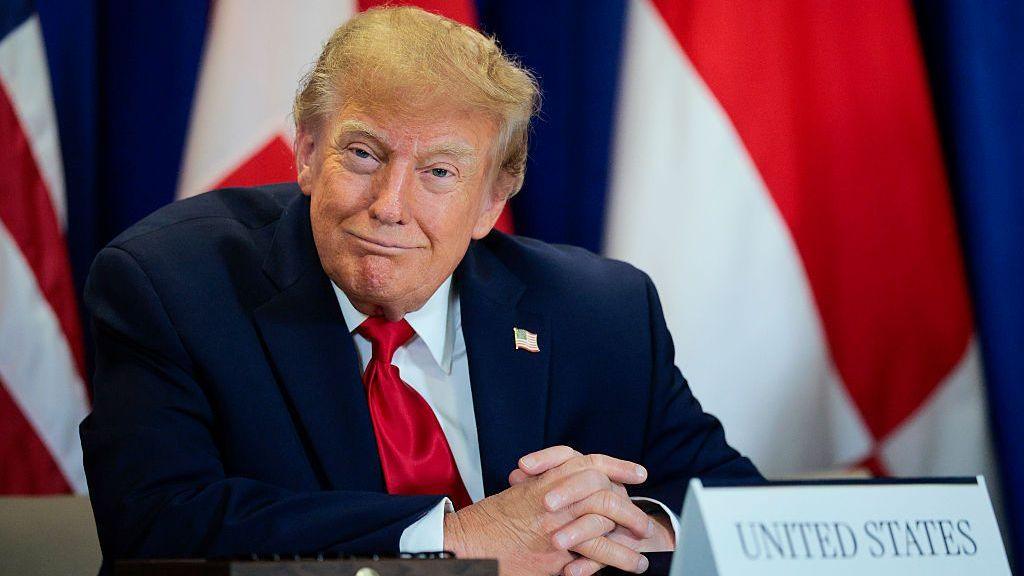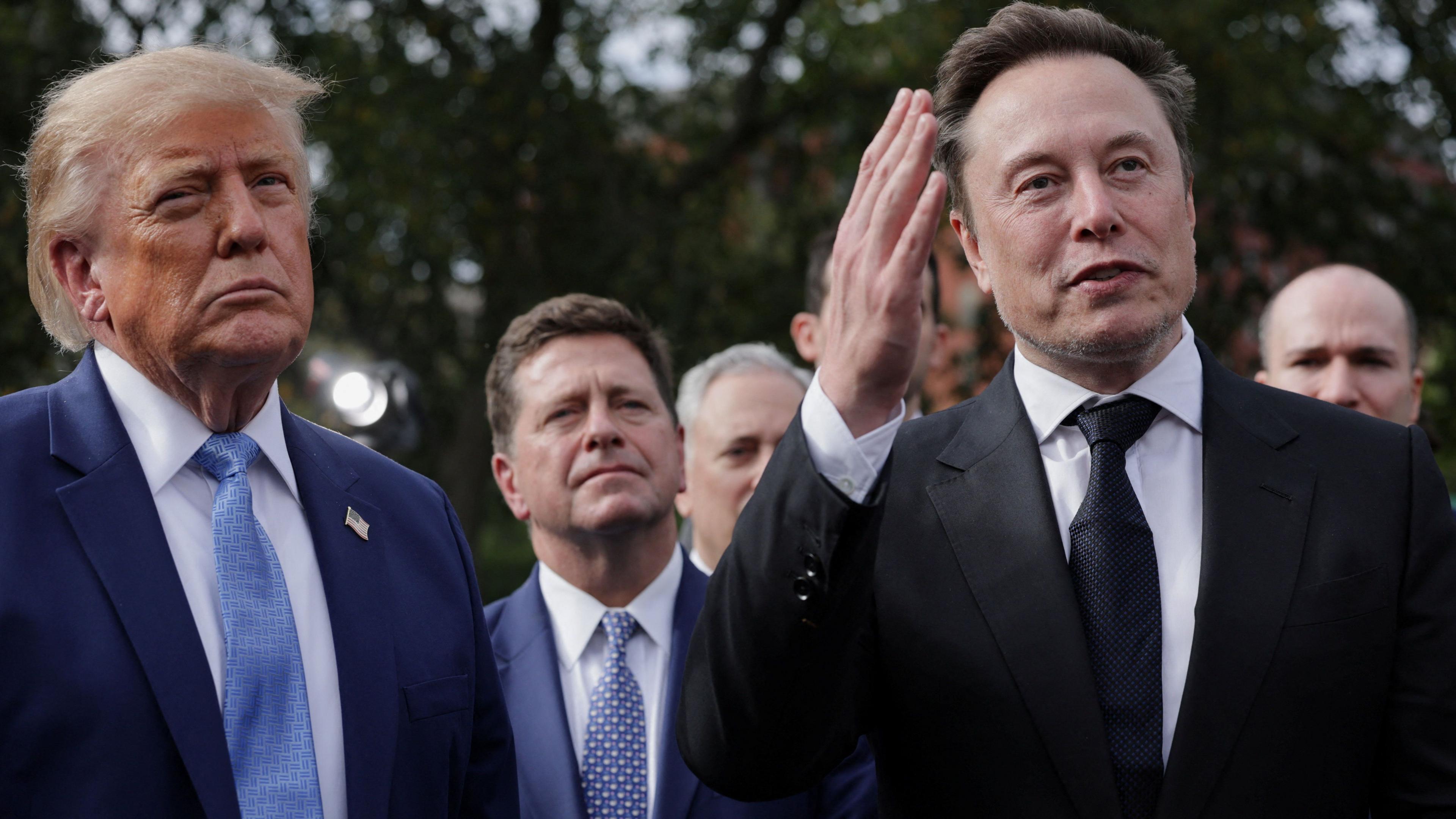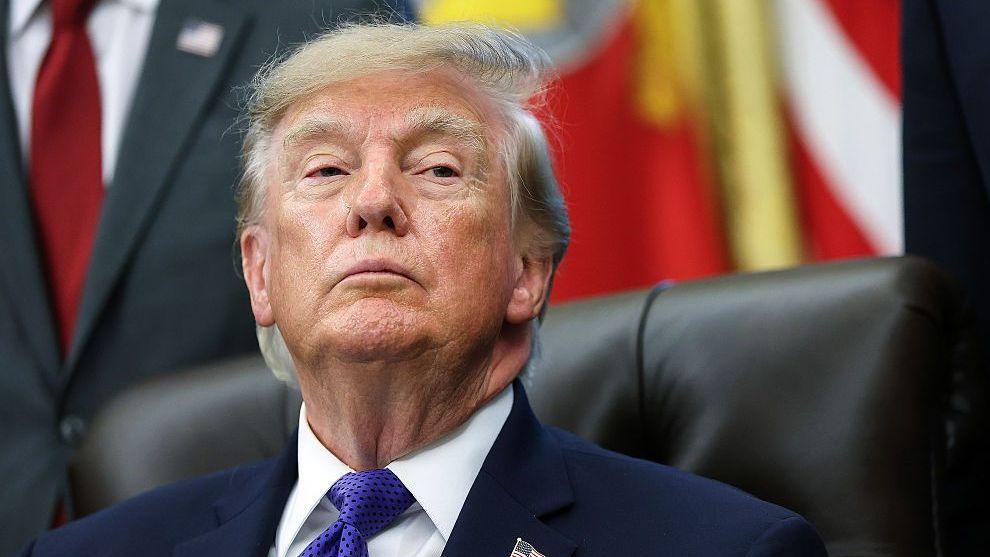
President Donald Trump announced the creation of a federal taskforce called the Super Intelligence Force (SIF) that will oversee the United States’ approach to artificial intelligence. SIF will unite agencies, consumer groups, public interest and religious organizations, critical‑infrastructure providers, and technology companies to coordinate policy and public engagement.
The SIF is led by Director of National Intelligence Jay Clayton and reports directly to President Trump and White House Chief of Staff Susie Wiles. Clayton, who entered the role in August after a legislative battle over an initial nominee, has stated that AI is both an opportunity and a threat and should be managed accordingly.
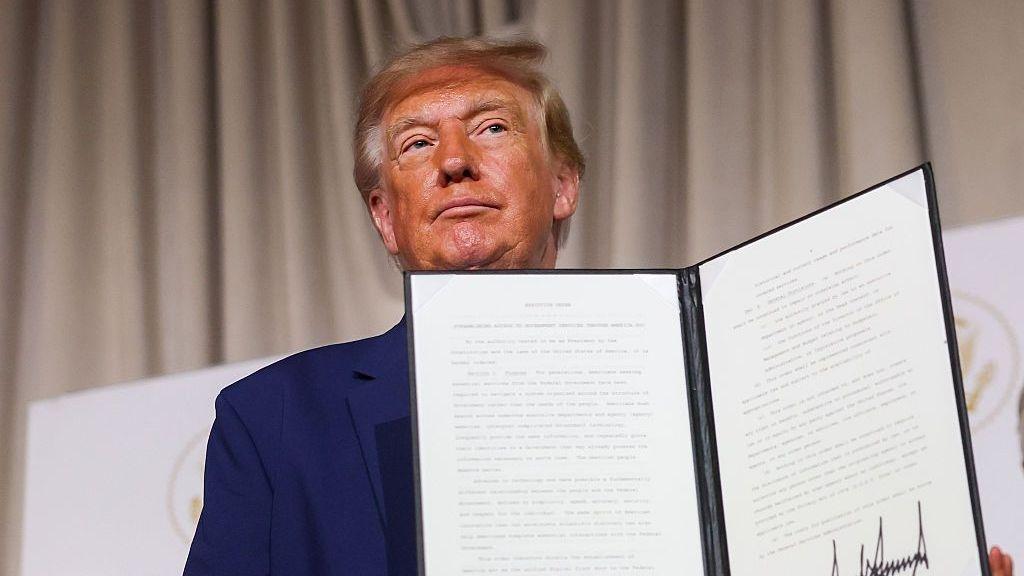
Alongside the taskforce creation, Trump signed an executive order on 29 September that renamed AI as Super Intelligence across all federal documentation. The order requires U.S. government departments and agencies to adopt terms such as SI and Super Intelligence and refrain from using the phrase artificial intelligence in official correspondence, reports, and websites.
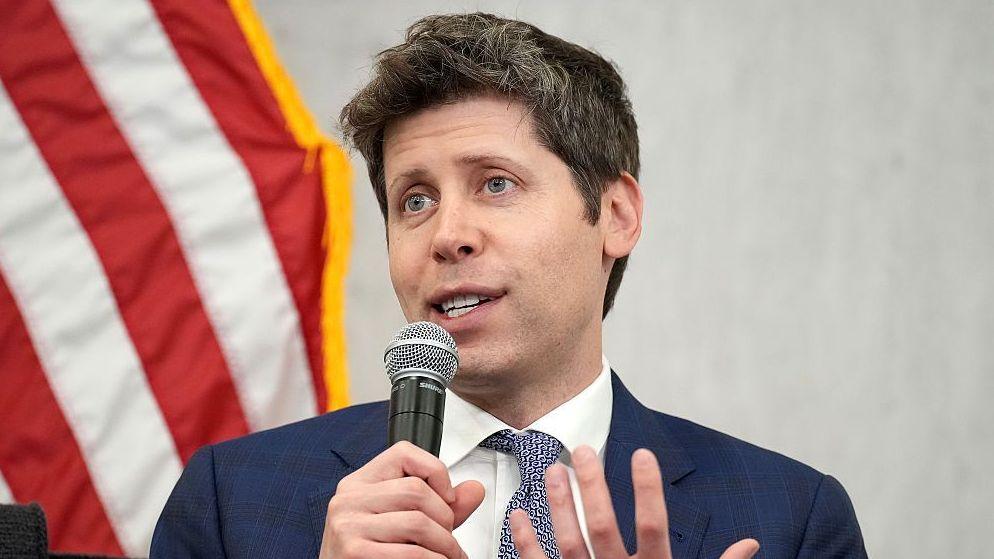
Industry leaders have reacted with mixed feelings. Some, including OpenAI CEO Sam Altman, have expressed support for broadening AI access despite risks, while others warn that the rebranding may confuse stakeholders and dilute existing regulatory frameworks.
The initiative comes amid pressure from tech executives and lawmakers to tighten oversight of AI development and deployment. Stakeholders are watching how the new taskforce will shape U.S. policy on a global stage where AI capability continues to rise.
Follow all updates as the Super Intelligence Force begins to shape the next chapter of AI governance in the United States.