Brazil's Decisive Showdown: Lula vs Flávio Bolsonaro
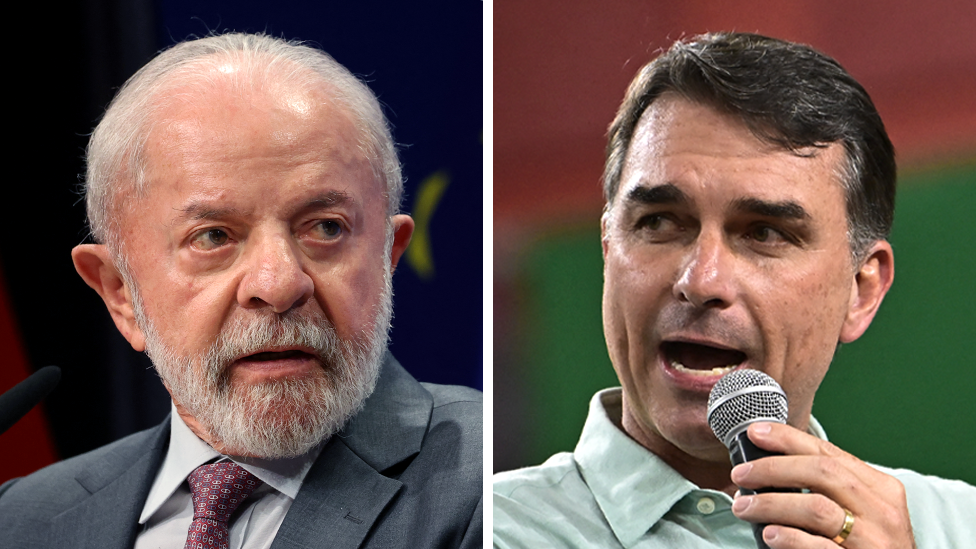
On Sunday, voters in Brazil will cast ballots in a general election that places former president Luiz Inácio Lula da Silva against one of the most controversial figures in contemporary Brazilian politics, 45‑year‑old Flávio Bolsonaro.
Lula, now 80, has served three terms and is known for his Bolsa Família welfare program and a sharp rise in the country’s economic performance. He will aim for a third term, despite growing criticism over recent oil‑drilling contracts and his handling of the Amazon’s deforestation rates.
Flávio Bolsonaro, son of the former president, has positioned himself as a closer ideological heir to his father’s tough‑on‑crime stance. He targets religious voters, farmers and those who object to Lula’s left‑wing policies, pledging to cut regulations and improve gun laws.
Polls from BBC Brasil show both candidates near 40% support. The remaining eleven candidates trail at 4% or less. With no one likely to clear the 50% threshold in the first round, a run‑off on 25 October is the expected path.
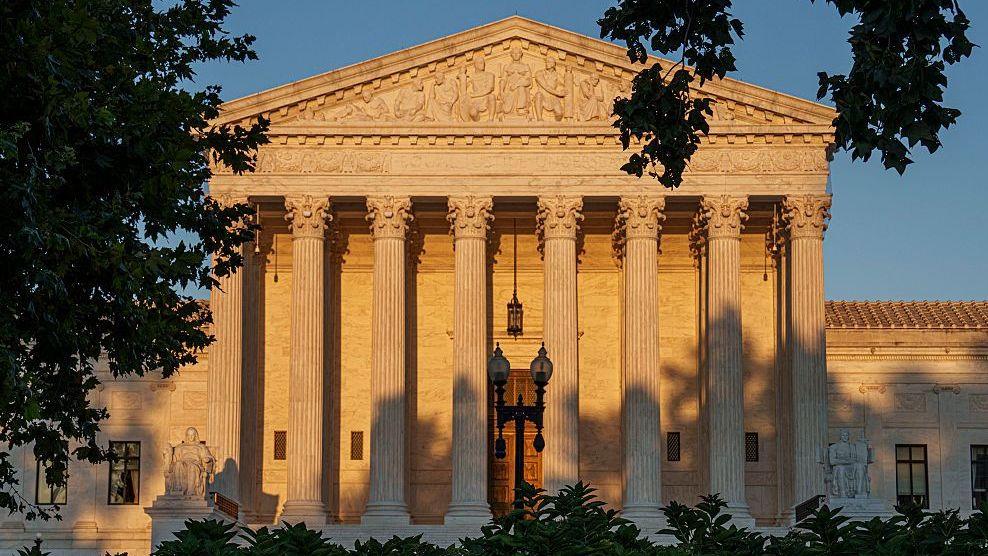
The race has been punctuated by a scandal involving a jailed banker, Daniel Vorcaro, who allegedly funded a biopic of former president Jair Bolsonaro. The money‑laundering and corruption allegations have now expanded to a Supreme Court justice linked to the banker, putting the judicial system itself into the political cross‑fire.
Adding to the controversy, Flávio Bolsonaro recently screened an AI‑generated avatar of his father—now barred from office and serving a 27‑year sentence for plotting a coup—in a campaign rally. Though lawyers say the son did not obtain permission, the visual echoes of Jair’s voice and mannerism create a powerful, if illegal, political echo.
Security and crime remain the top concerns among voters, but corruption has surged to the foreground in the final weeks. Lula’s own campaign has faced backlash from links to the corrupt banker and the high‑profile Supreme Court justice, affecting his already fractured support base.
If a clear winner emerges in the first round, Lula would pursue his promises to reduce Amazon deforestation and continue phasing out fossil fuel dependence. A victory for Flávio would signal a return to the hard‑right policies of the Bolsonaro era, with a strengthened alignment to the United States and a greater emphasis on crime‑fighting legislation.

With voters still largely undecided, the coming weeks will decide whether Brazil lands another left‑leaning leader or revisits the right‑wing trajectory that shocked the world in 2023.