In brief
A study by German scientists indicates that ocean acidification caused by human activities could weaken shark teeth, affecting their predatory abilities and ecological dominance. Although sharks are known for their resilience, the implications of weakened teeth in the context of overfishing and pollution pose new challenges for these ancient predators.
PORTLAND, Maine — Sharks, renowned as the most formidable predators of the ocean, rely on their robust, regenerative teeth for survival. However, new research highlights a potential vulnerability due to the increasing acidity of ocean waters resulting from human-induced climate change.
A team of German researchers has conducted a study focusing on the implications of acidified ocean waters on the structural integrity of shark teeth. The research suggests that as oceans absorb higher levels of CO2, resulting in acidification, sharks' teeth may become weaker and more prone to damage. This deterioration could significantly alter the dynamics of the marine food chain.
Maximilian Baum, the lead author of the study from Heinrich Heine University Düsseldorf, notes that while sharks won’t immediately become toothless, weaker teeth present a new danger for a species already facing numerous threats like overfishing and pollution. We found there is a corrosion effect on sharks’ teeth, Baum stated, cautioning that this could influence their ecological status.
Gradual Transition
The findings, published in Frontiers in Marine Science, come at a time when ocean acidification is receiving increased attention from conservationists. According to the National Oceanic and Atmospheric Administration, the ocean's acidity is projected to increase nearly tenfold by 2300, further raising concerns for marine life.
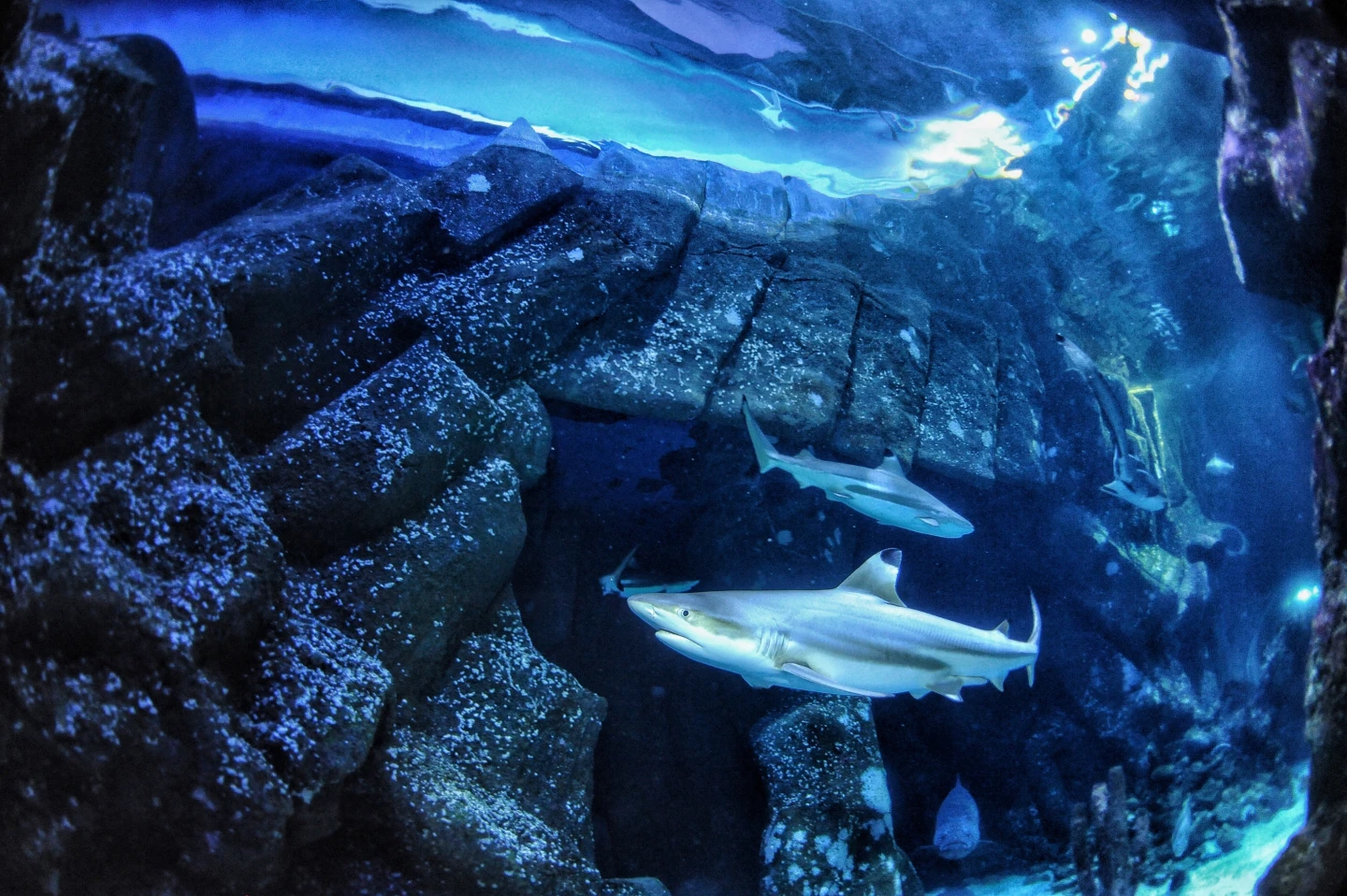
The research involved analyzing over 600 discarded teeth from blacktip reef sharks. When exposed to both current and projected acidic water conditions, the sharks' teeth exhibited significant structural damage, including cracks and corrosion.
Sharks: Still Apex Predators?
Even as this new threat looms, sharks continue to maintain their status as top ocean predators, primarily due to their ability to shed and regenerate teeth throughout their lives. Nick Whitney, a senior scientist at the New England Aquarium, emphasizes that while ocean acidification poses a risk, sharks have endured numerous environmental changes over the course of 400 million years.
Gavin Naylor, director of the Florida Program for Shark Research, echoed these sentiments, suggesting that while acidification presents a new challenge, the larger threat remains overfishing and habitat loss.
Broader Implications
The implications of ocean acidification extend beyond sharks; it poses significant risks to shellfish as well, threatening their ability to construct shells. With the delicate balance of marine ecosystems in question, Baum cautioned that the survival of certain shark species may be at stake if these environmental changes continue.
In summary, while sharks have adapted and persisted through significant environmental challenges, the potential impact of ocean acidification on their dental health raises alarms about their evolutionary success in an increasingly hostile ocean environment.