The American West is experiencing a record snow drought combined with unprecedented heat, compromising future water supplies, increasing vulnerability to wildfires, and harming winter tourism and recreation. According to scientists, both snow cover and snow depth are at the lowest levels recorded in decades, with over 67 weather stations reporting their warmest winters on record.
This winter, snow cover should typically span around 460,000 square miles but only covers approximately 155,000 square miles, similar to the area of California alone. Mark Serreze, director of the National Snow and Ice Data Center, expressed disbelief over such conditions, emphasizing the persistent pattern.
In Oregon, snowpack levels are not only at an all-time low but are also 30% lower than previous lows. Meanwhile, in contrast to much of the East Coast, which is under extreme cold, areas in Utah are experiencing bizarre weather traits, making outdoor activities like snowboarding nearly impossible.
Concerns over Water Supply and Wildfires
With reports from various states—including Colorado and Utah—indicating their lowest snowpack since records began, concerns are rising about the broader implications for water supply. A dry January further compounded the issue, with many regions receiving less than their average precipitation.
Salt Lake City has recently experienced an unprecedented stretch of 327 days without receiving an inch of snow, the longest since 1890. The diminished snowpack threatens to affect critical water sources, including the Upper Colorado River Basin.
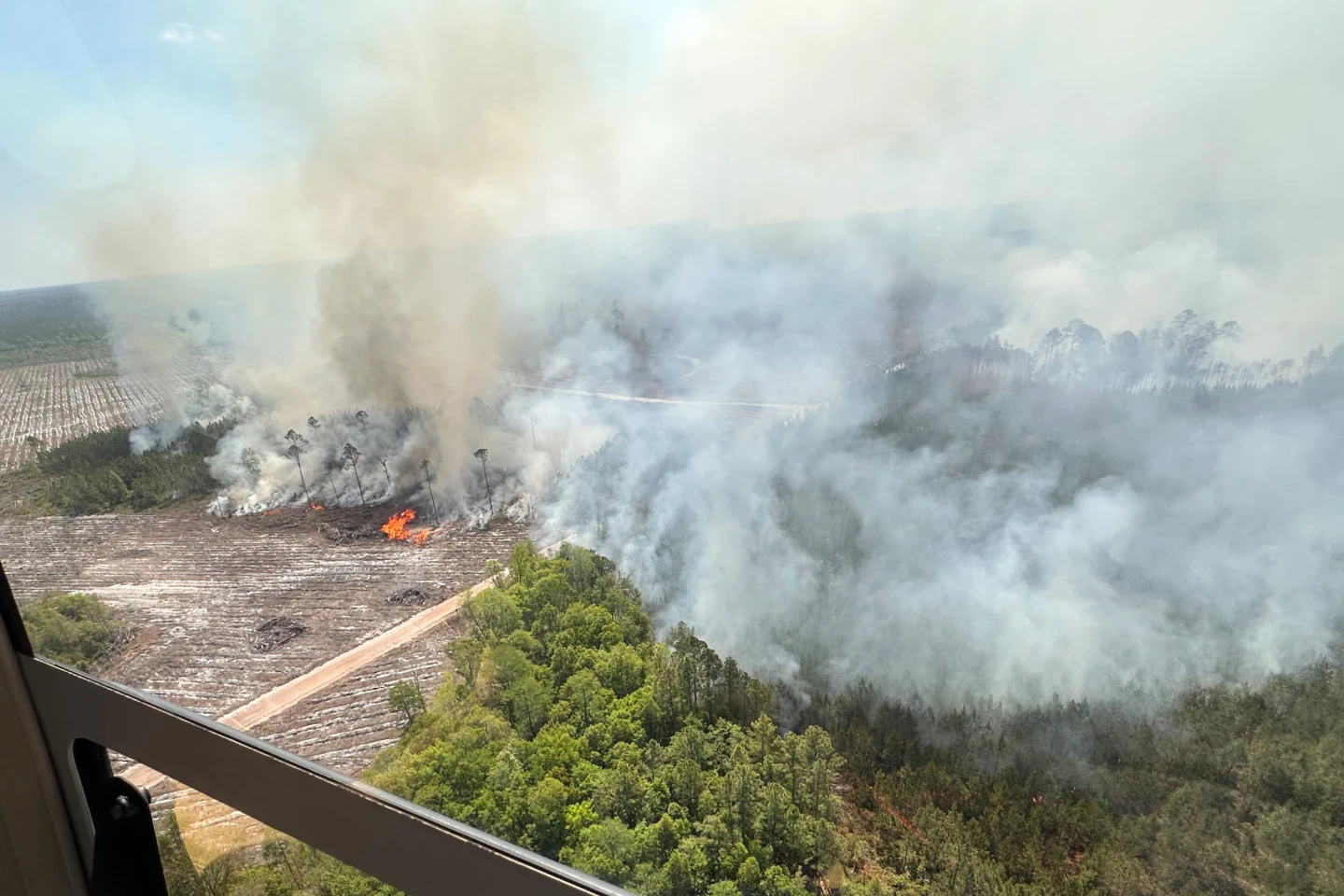
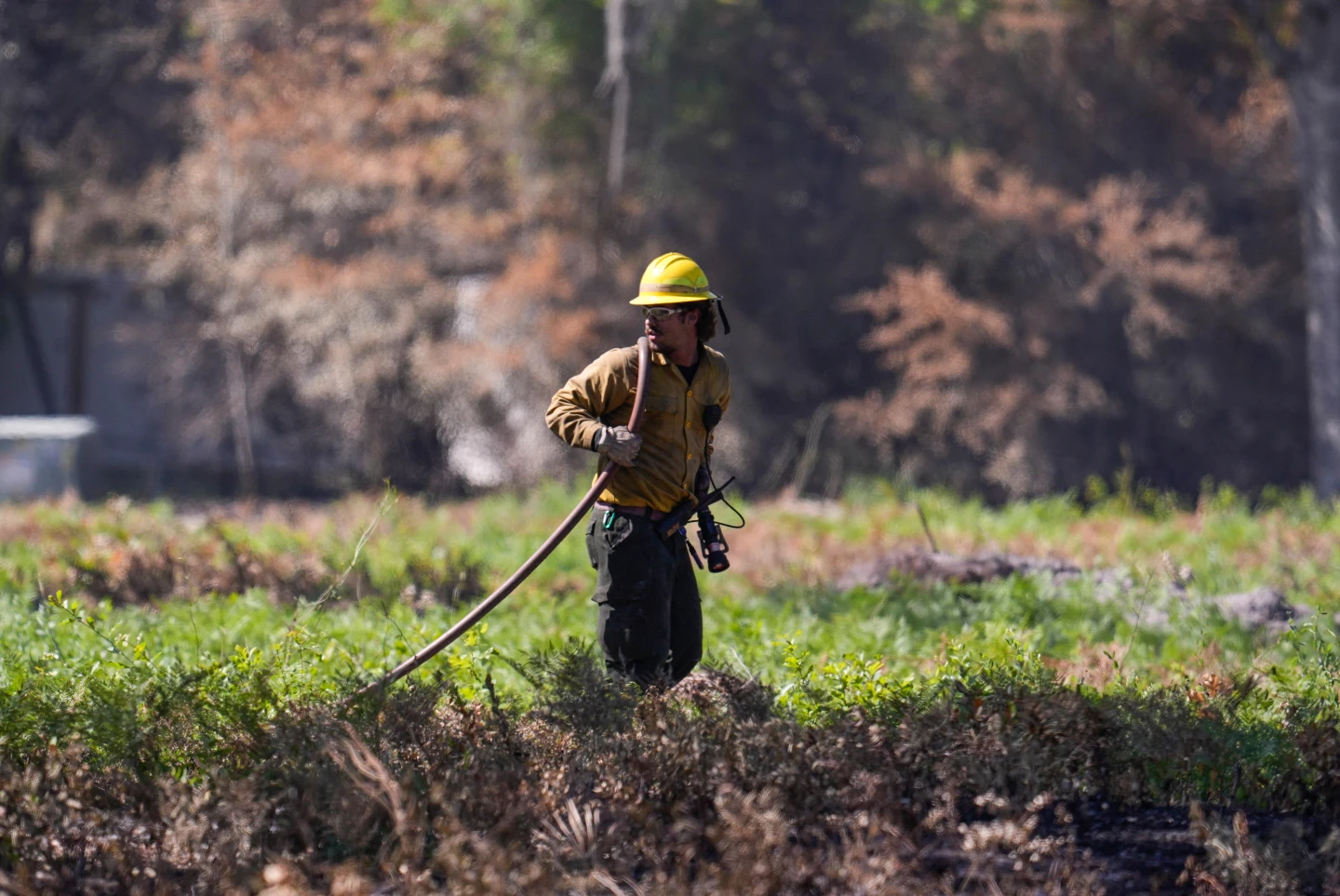
Experts like Daniel Swain from the University of California highlight the significance of a robust mountain snowpack for maintaining water flow into rivers during warmer months. The lack of snow not only jeopardizes agricultural and urban water supplies but also poses a risk of premature wildfire season, as warmer spring weather may dry out the exposed ground and vegetation.
Too Warm to Snow
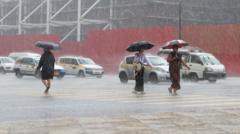
The primary reason for the snow drought is attributed to the unusual warmth caused by climate change. An astounding number of 8,500 daily high temperature records were observed in the West since December. Much precipitation that would have fallen as snow instead lands as rain, which runs off more quickly.
While a cooler, wetter weather pattern is expected in the coming weeks, experts like Russ Schumacher remain cautious, predicting that snow levels might not rebound to usual averages.