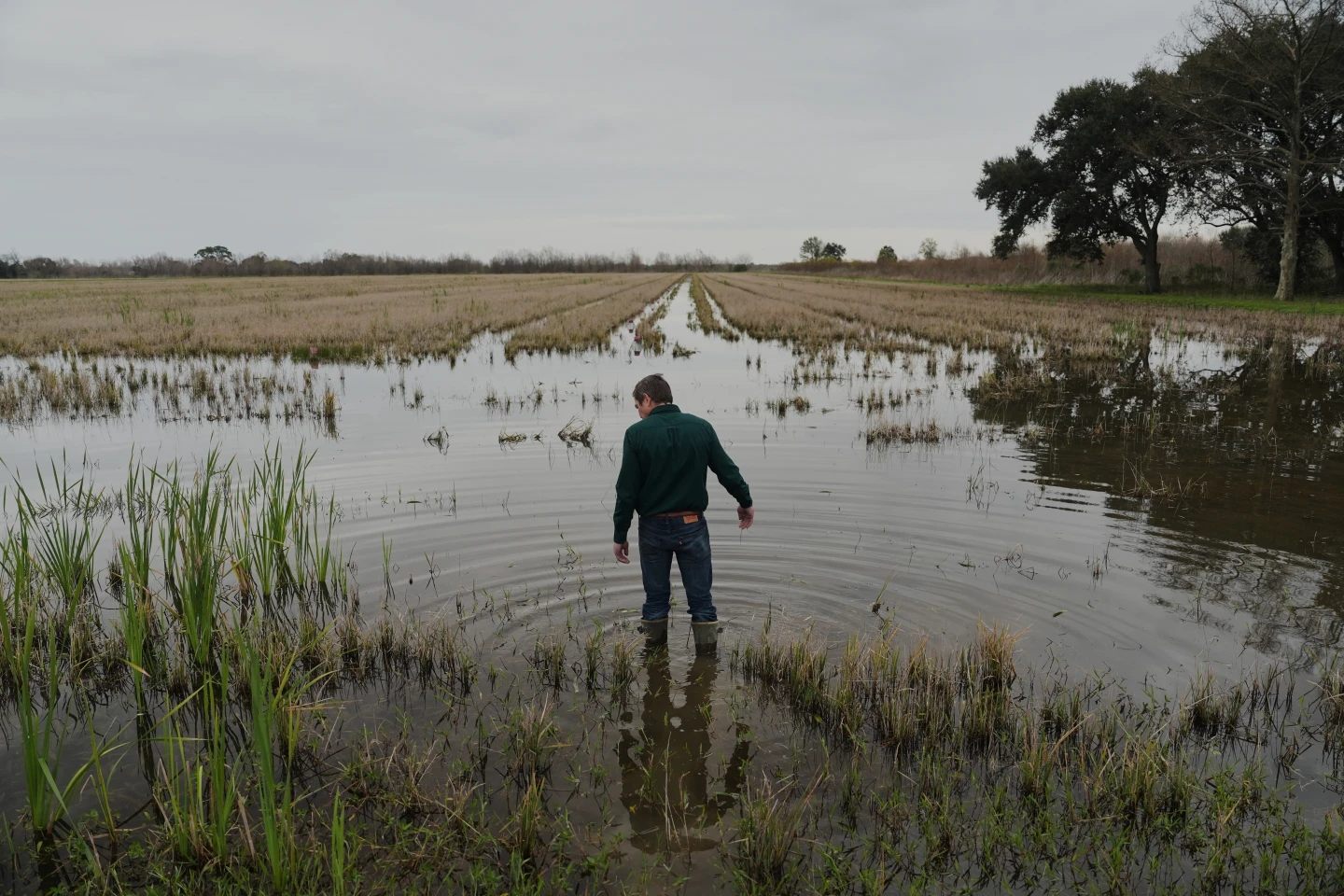
Farmers in southern Louisiana, where rice and crawfish are traditionally cultivated side by side, are facing a critical challenge as invasive apple snails and tiny delphacid insects threaten their livelihoods.
\Josh Courville, who has spent his life harvesting crawfish, reports an alarming increase in apple snail populations following severe flooding in 2016, which allowed the pests to thrive. For every crawfish I pull out of the traps, I get three or four snails, Courville said, noting their resilience and rapid reproduction—capable of laying thousands of eggs monthly.
\The snails' destruction contributes to frustrations among farmers, compounded by the appearance of delphacids, notorious for causing significant damage to rice crops. Their destructive capacity has led to concerns about future harvests, with experts suggesting that farmers need successful receipts from both rice and crawfish to stay afloat financially.
\Research and Innovative Solutions
\Louisiana State University specialists estimate that nearly 78 square miles in the region have been regularly affected by these pests. The urgent response to this crisis includes employing agricultural practices that may insulate rice crops from snail damage. For instance, tilting towards a planting method that fosters stronger rice plants by establishing dry fields initially before flooding has been recommended.
\This method protects seedlings from snails but escalates operational costs, especially given that effective chemical controls often adversely affect crawfish populations as well. With constrained chemical options due to food safety concerns, farmers are exploring alternatives such as copper sulfate, which can add substantial costs to their operations.
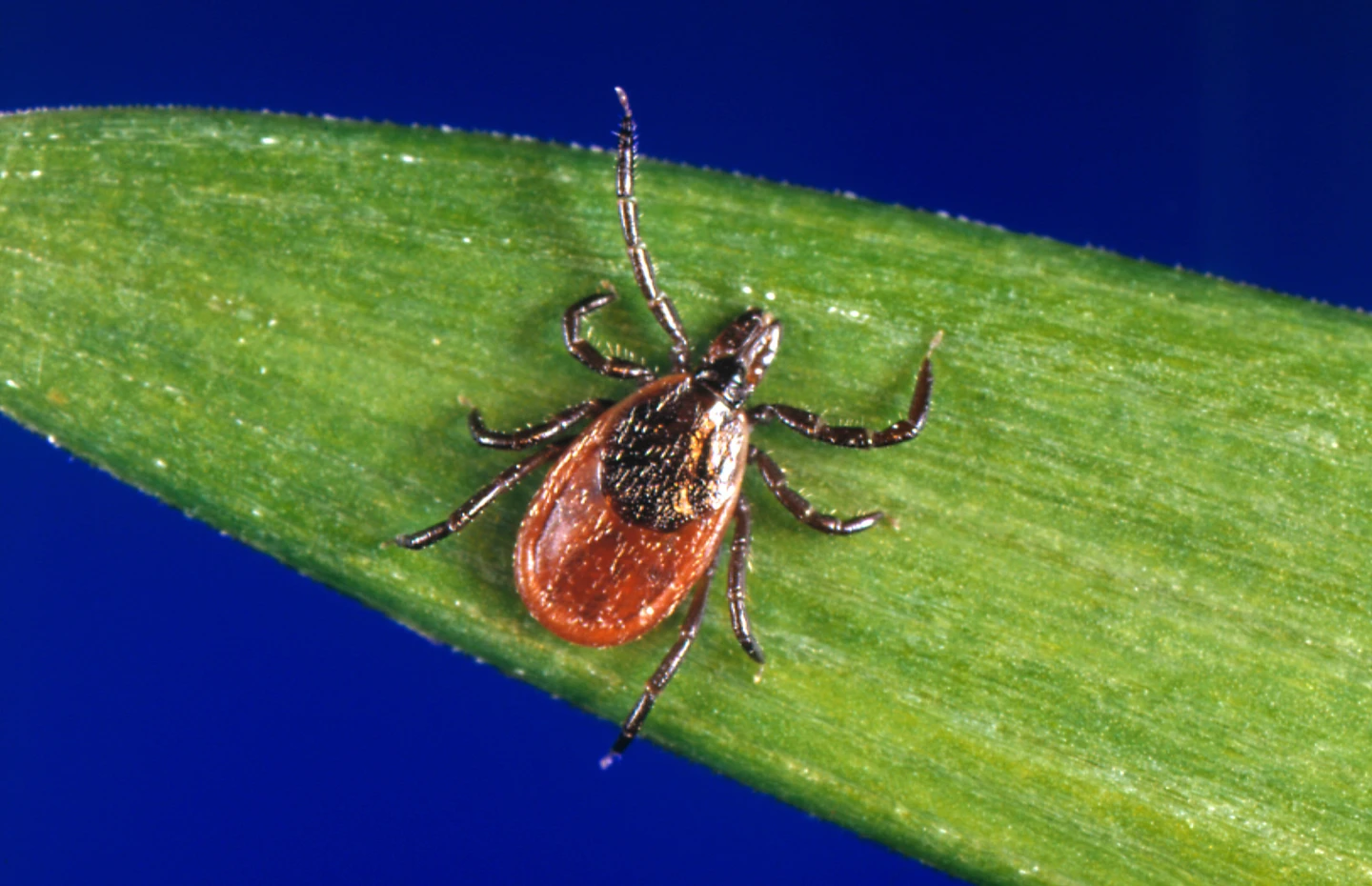
\Accompanying local farmers in their struggle, researchers are studying climate impacts on these pest populations to assess management and predict behaviors amidst a warming climate. Hannah Burrack from Michigan State University states, A warming world makes it easier for pests to spread into new areas. This is going to complicate how we deal with pests going forward.
\As we focus on selecting the best strategies to mitigate pest impacts, experts emphasize the necessity for cooperation among scientists and legislators to develop comprehensive resource management approaches, ensuring both crops remain viable in the face of a changing climate.
"