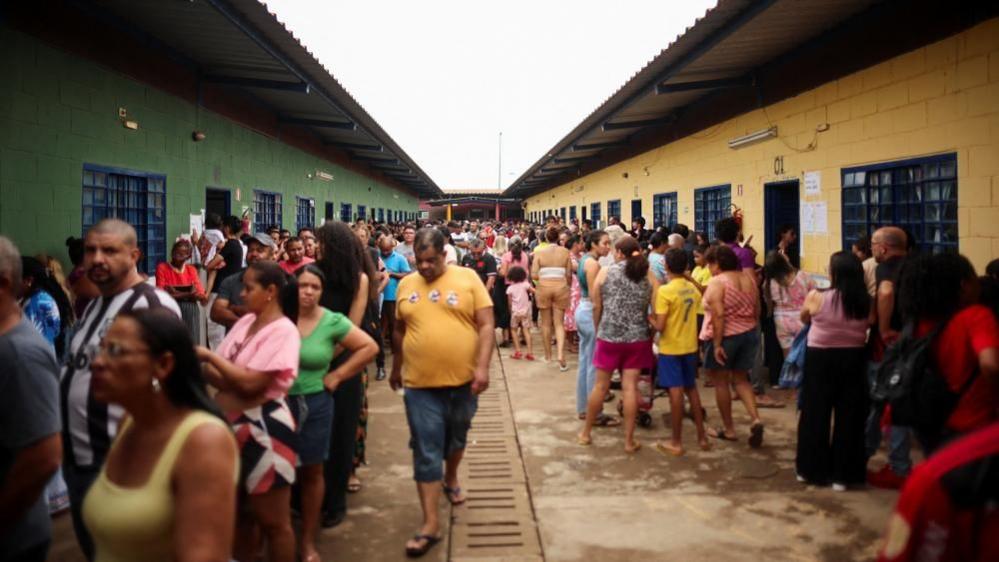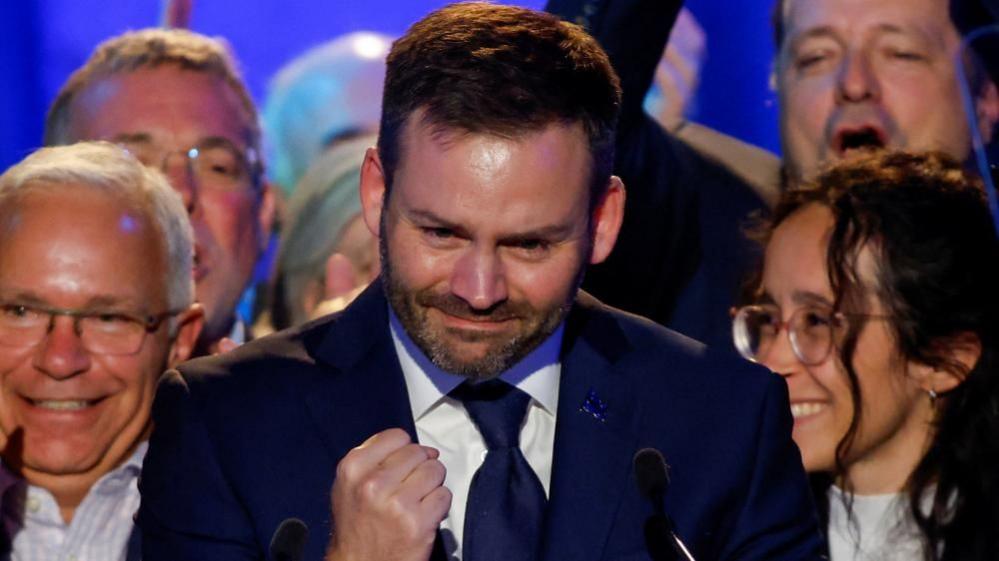
The Parti Québécois (PQ) has been projected to win a minority government in Quebec’s provincial election, a first since 2014, and its new leader Paul St-Pierre Plamondon is set to take the helm. Plamondon’s victory speech pledged to be the premier of everyone in Quebec while reviving the PQ’s long‑standing goal of a sovereign nation.
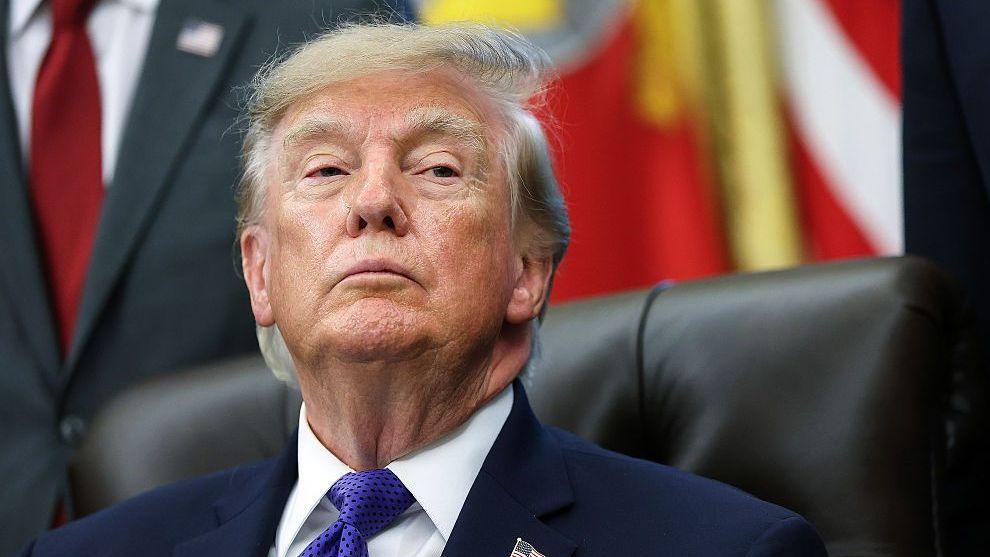
The PQ’s platform includes a referendum on independence, which it insists must be held after Donald Trump leaves office. With only about 30 % of Quebecers supporting independence in current polls, the proposed vote is likely to be scheduled for 2029 or 2030, matching the end of Trump’s term.
In addition to independence, Plamondon has vowed to abolish the monarchy in Quebec and redirect funds allocated to the lieutenant‑governor’s office toward social programmes such as homelessness. This plan, while “necessary” in his view, faces significant legal hurdles given the monarchy’s constitutional role in Canada.
Prime Minister Mark Carney has welcomed the new premier and hinted at cooperation, remarking that “building a stronger Quebec is at the heart of our mission to build a stronger Canada.” Carney, however, must now juggle potential unity crises in Quebec and Alberta, where a separate referendum is also being discussed.
The election outcome reflects widespread fatigue with the former governing Coalition Avenir Québec and signals a shift toward a more fragmented, challenge‑laden political landscape in Quebec, with implications across federal policy, trade relations, and constitutional debate.