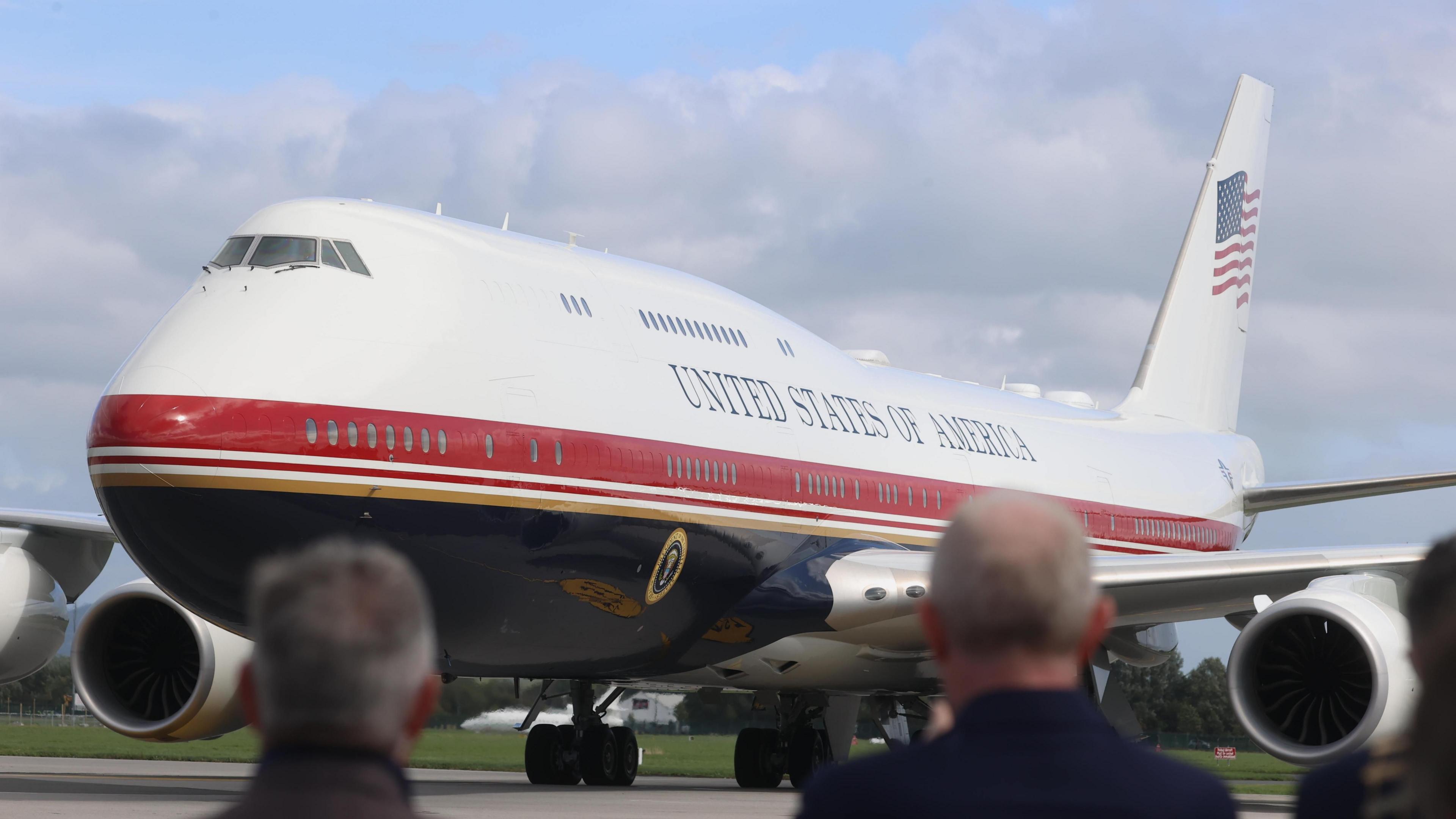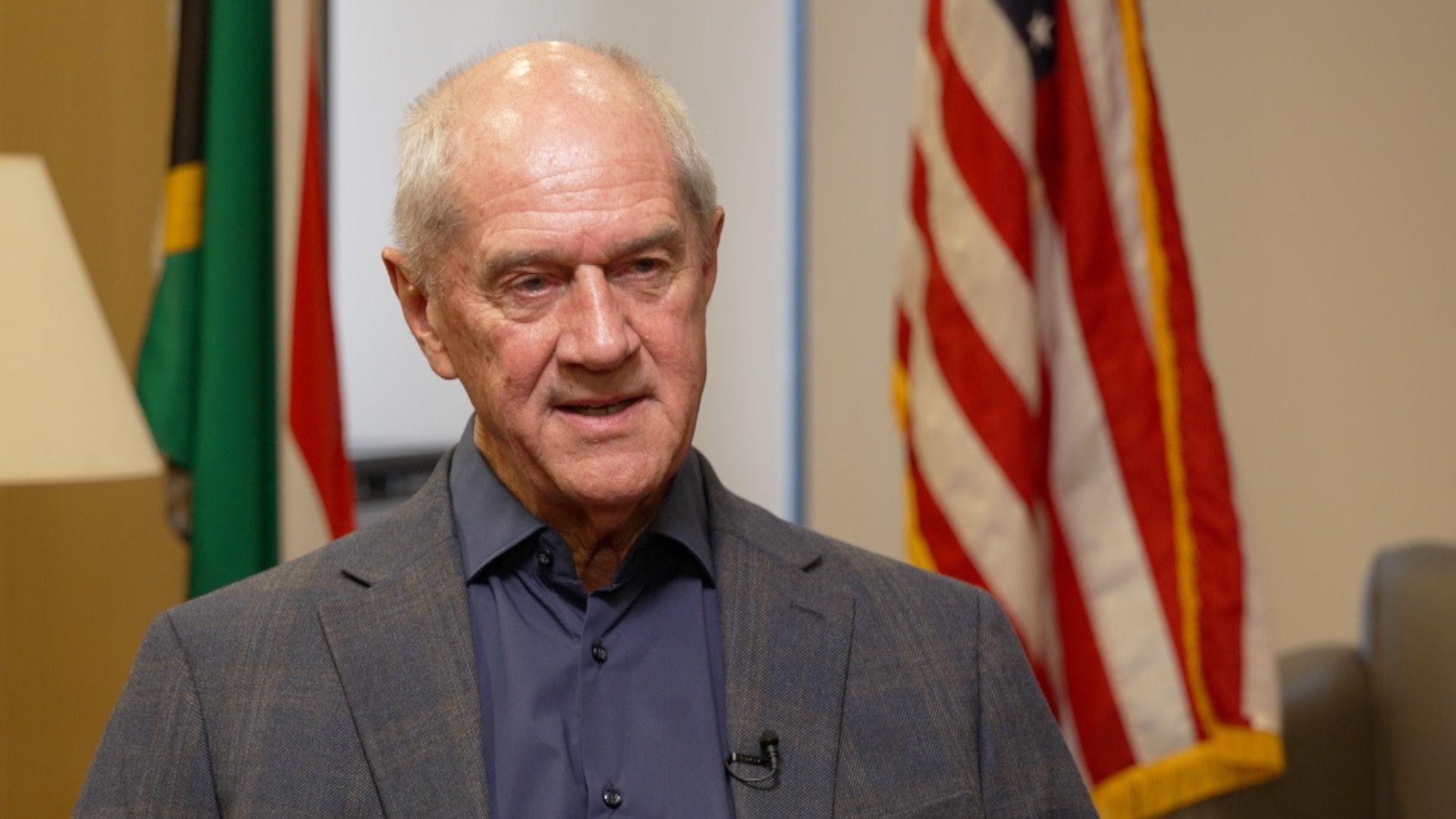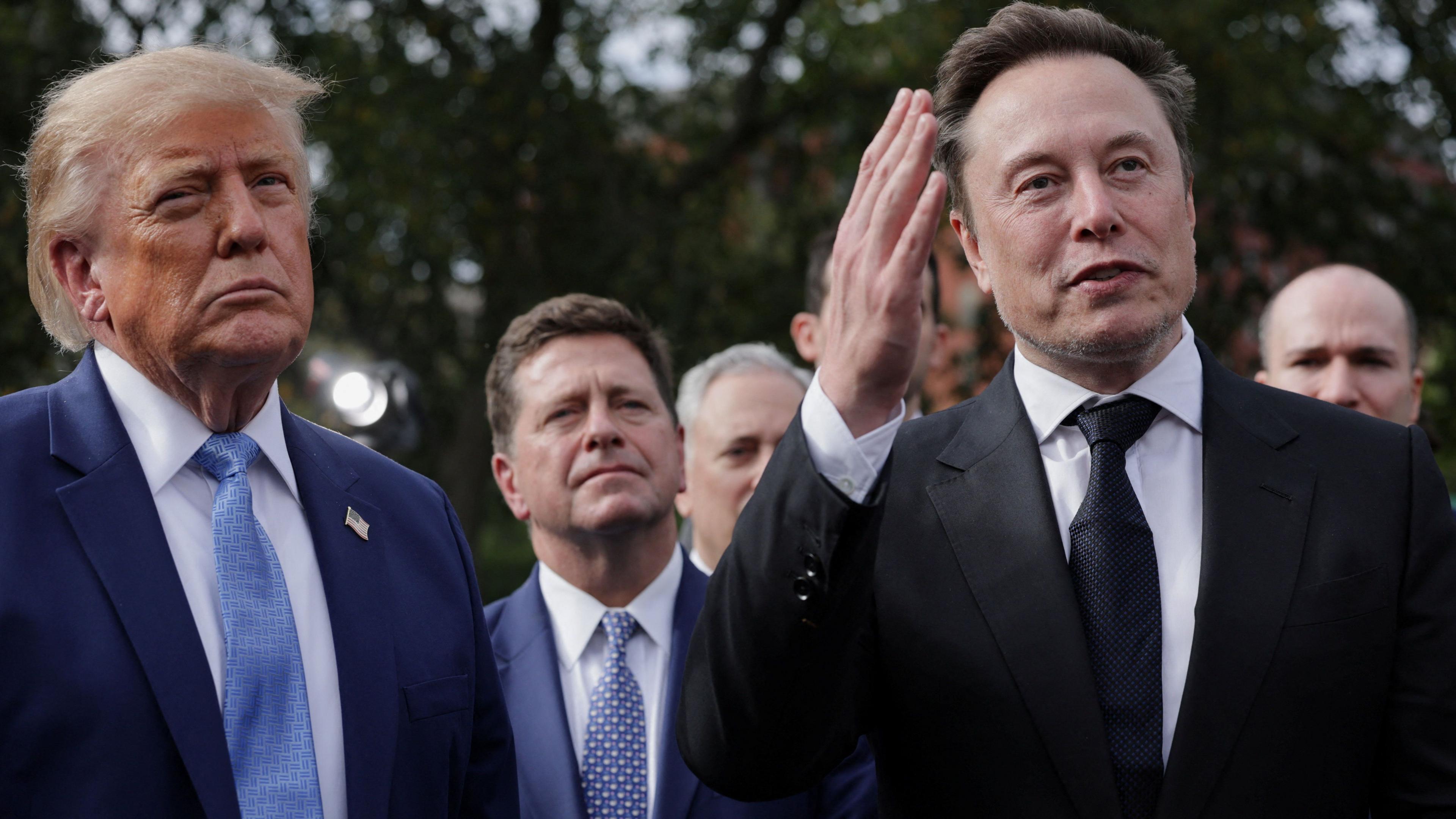
In a striking move, President Donald Trump gathered top figures from the world’s leading AI companies at the White House on 29 September 2026.
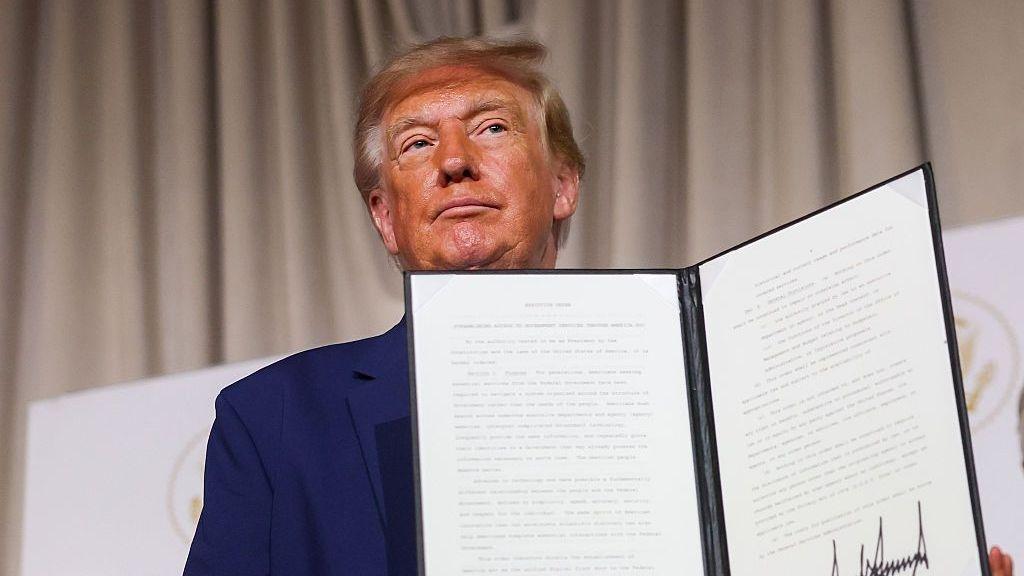
The meeting, described by Trump as an “extraordinary gathering,” brought together the CEOs of OpenAI, Anthropic, Nvidia, SpaceX, Meta and Google. After the closed‑door discussions, the leaders signed a document Trump called a “morally binding” pact that promises to add a layer of self‑regulation to the U.S. AI industry.
The agreement obliges each company to ensure the safety of its products, keep AI models operating as intended, and quickly spot and fix glitches. It also requires independent audits and a ban on unapproved system access. While the pact signals a willingness to act without new legislation, critics highlight that it gives firms discretion over what counts as safety and offers no clear penalties for breaches.

Beyond the pact, Trump announced a major push for data‑center expansion, calling them “Super Intelligence factories.” He defended this rollout despite a Marist Poll survey that found 65 % of registered voters opposed new data‑centres in their communities, arguing that the facilities would create jobs and rebuild the U.S. economy.
In a separate executive order, the president instructed federal agencies to replace the term “artificial intelligence” with “Super Intelligence” in official documents, reports and websites. Trump claimed the new label better reflects the technology’s rapid progress and is “not just a buzzword.” It remains unclear how the rename will affect public perception or policy‑making.
While the summit attracted applause from some industry leaders—who praised the historic partnership—many experts are skeptical that the self‑regulation framework will manage the real risks of advanced AI or preserve accountability. The debate over how to govern AI continues as the technology marches ahead.