In brief
Amid ongoing military tensions with Iran, Iranian-Americans face a complex emotional landscape, balancing fear for their families’ safety and the ethics of U.S. foreign policy. Activists are mobilizing across major cities to protest warfare, while grappling with deep-rooted anxieties about the implications for their loved ones both in Iran and the U.S.
As the deadline set by President Trump looms, concern among Iranian-Americans is palpable. Zainab Haider, a municipal planner, reflects on her fears for her relatives in Iran while driving home from work. Alongside her, a sense of normalcy seems to isolate her even more as she grapples with profound anxiety about potential military actions.
Despite Trump's threats implying catastrophic consequences, he ultimately agreed to a ceasefire, leaving many Iranian-Americans in a state of confusion and fear about the future of their homeland. They navigate a landscape filled with uncertainty, governance, and the threat of violence while trying to make sense of their identities intertwined with familial ties back home.
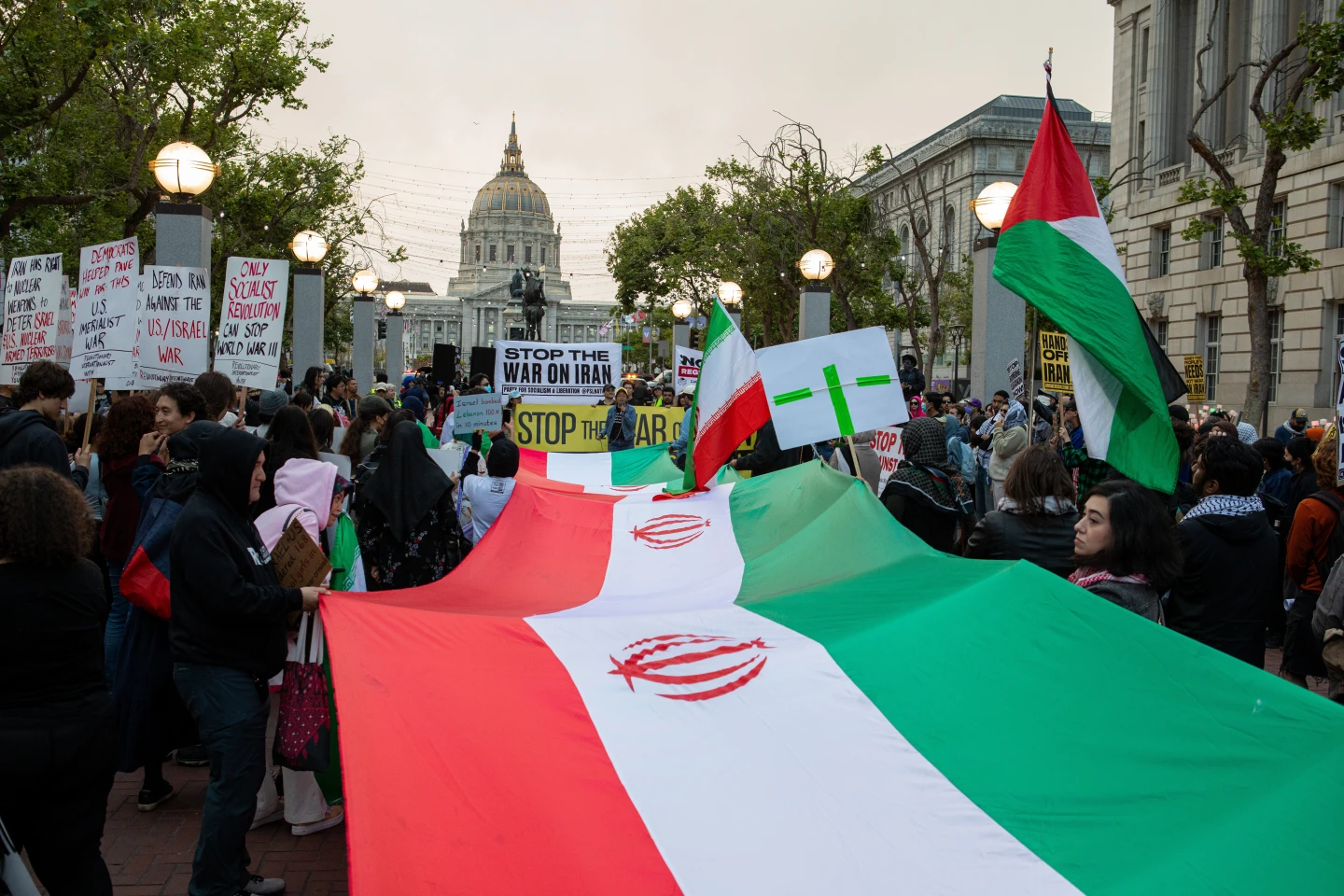
In cities such as Austin, New York, and Los Angeles, activists like Haider rally for peace, hoping to exert pressure on governmental policies they find damaging. For Haider, it is vital to raise awareness to prevent escalating violence, stating, “Mobilizing will create pressure that makes it harder for Trump to swing back to aggressive posturing.”
Others, like Sheila Amir from North Carolina, worry not only for their families in Iran but also for relatives serving in the U.S. military. The delicate balance of advocating for peace without condemning their homeland becomes a source of tension. “Their duty is to serve and protect, not destroy lives,” she emphasizes, reflecting the nuanced perspectives within the Iranian-American community.
Filmmaker Roya Rastegar expresses the moral dilemma many face: the ongoing attacks from the U.S. might weaken the Iranian government, yet could also deliver devastating impacts on civilians. This duality complicates conversations with children and family, and the unpredictability of the situation adds layers of stress.
Despite the challenges, they continue to advocate for peace, urging for a solution that doesn’t exacerbate the suffering of ordinary Iranians caught in a tumultuous political landscape. The stories of these Iranian-Americans are not just about the conflict; they are about a longing for a peaceful resolution and the hope for a better tomorrow for their loved ones.