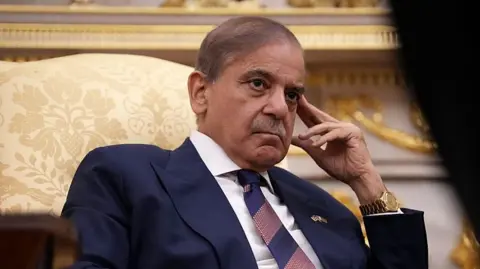
In the hours preceding the announcement of a two-week ceasefire between Iran and the US, Pakistan served as a crucial intermediary, signaling potential hope for peace. A source, speaking anonymously, indicated that discussions were ongoing, with a “very small circle” involved from Pakistan’s side. This circle was characterized by a serious yet hopeful mood as they aimed for a cessation of hostilities, despite the last-minute challenges posed by military actions in the region.
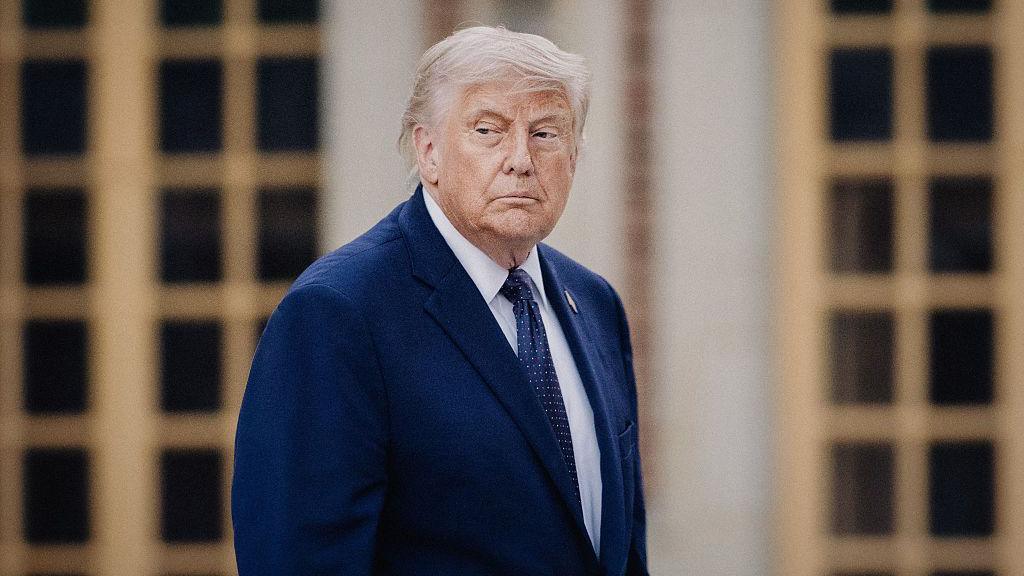
Historically, Pakistan shares a close, albeit complex, relationship with Iran due to their shared border and diplomatic ties, which it refers to as 'brotherly.' Additionally, Pakistan’s relationship with the US has been strong, with recent comments from US President Trump highlighting Field Marshall Asim Munir, Pakistan's military chief, as a significant figure in the discussions due to his insights into Iran's stance.
Despite a cautiously optimistic outlook from Pakistan, hurdles remained. Foreign Minister Ishaq Dar remarked on the situation's precarious nature before escalating attacks disrupted the negotiations, as military discussions turned somber.
Field Marshall Munir's statements echoed concerns regarding the attacks, indicating that they undermined efforts for a peaceful resolution. Analysts posited that this critique, amidst a defense pact with Saudi Arabia, could increase pressure on Iran, particularly given the longstanding regional tensions.
Following continued diplomatic maneuvers, Pakistan's Prime Minister announced that the ceasefire was achieved late into the night, inviting both the US and Iran to Islamabad for further negotiations. While this development marked a significant step in easing tensions, the fragility of trust between the nations remains a pressing concern. As discussions move forward, the ultimate challenge revolves around finding common ground amid entrenched positions.
Historically, Pakistan shares a close, albeit complex, relationship with Iran due to their shared border and diplomatic ties, which it refers to as 'brotherly.' Additionally, Pakistan’s relationship with the US has been strong, with recent comments from US President Trump highlighting Field Marshall Asim Munir, Pakistan's military chief, as a significant figure in the discussions due to his insights into Iran's stance.
Despite a cautiously optimistic outlook from Pakistan, hurdles remained. Foreign Minister Ishaq Dar remarked on the situation's precarious nature before escalating attacks disrupted the negotiations, as military discussions turned somber.
Field Marshall Munir's statements echoed concerns regarding the attacks, indicating that they undermined efforts for a peaceful resolution. Analysts posited that this critique, amidst a defense pact with Saudi Arabia, could increase pressure on Iran, particularly given the longstanding regional tensions.
Following continued diplomatic maneuvers, Pakistan's Prime Minister announced that the ceasefire was achieved late into the night, inviting both the US and Iran to Islamabad for further negotiations. While this development marked a significant step in easing tensions, the fragility of trust between the nations remains a pressing concern. As discussions move forward, the ultimate challenge revolves around finding common ground amid entrenched positions.