Iran and the US have agreed to a conditional two-week ceasefire, during which shipping traffic will be allowed through the Strait of Hormuz.
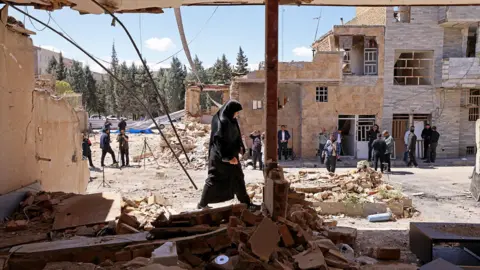
This comes more than a month after the US and Israel launched coordinated attacks on Iran, and hours after US President Donald Trump threatened a whole civilisation will die tonight if Iran did not reopen the Strait.
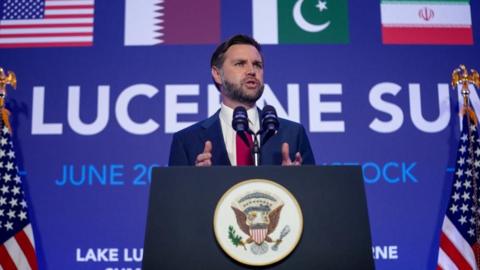
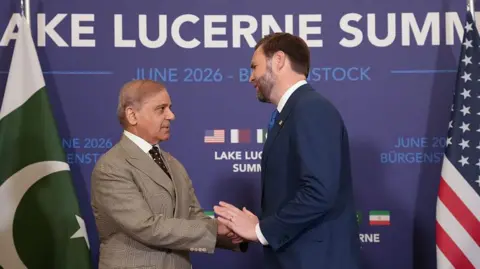
Pakistan's Prime Minister Shehbaz Sharif, who has been mediating negotiations, said early on Wednesday that the ceasefire was effective immediately.
Trump said he had agreed to suspend the bombing and attack of Iran for a period of two weeks if Tehran agrees to reopen the Strait of Hormuz, a vital shipping route for oil and other exports from the Gulf.
In a post on Truth Social, Trump commented that the ceasefire was reached because we have already met and exceeded all military objectives.
However, he had made previous alarming comments about possible consequences for Iran that drew condemnation from various global leaders.
US Defence Secretary Pete Hegseth assured that the military would ensure compliance with the ceasefire and that troops would remain ready to re-engage if needed.
Iran has signaled its acceptance of this ceasefire, aligning military oversight of the Strait to coordinate vessel passage during this period.
The ceasefire includes a 10-point plan from Iran, detailing conditions for peace, including the cessation of conflicts in neighboring regions and assurances against pursuing nuclear weapons.
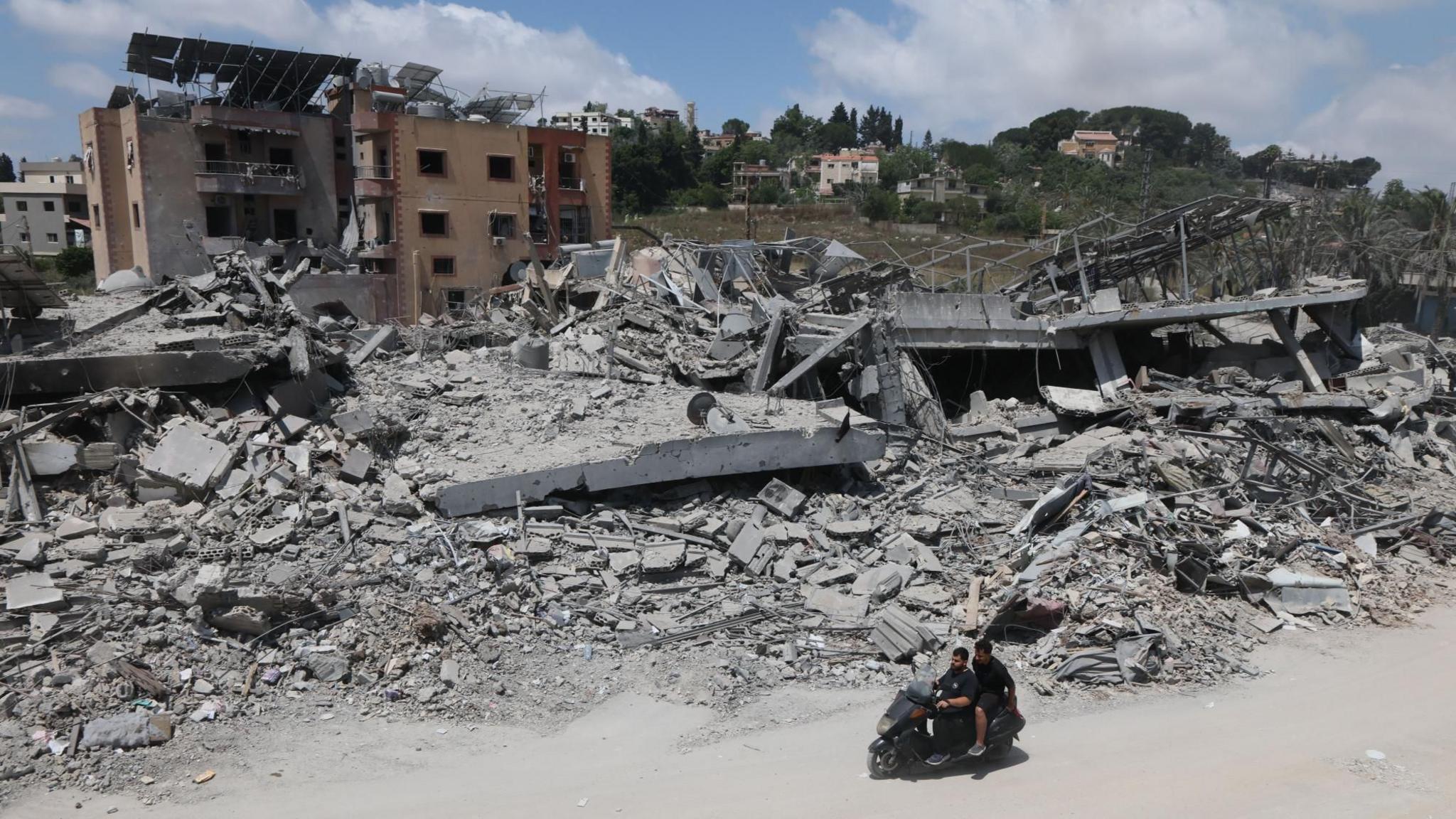
Israel has publicly supported the ceasefire but clarified that it does not extend to Lebanon, raising concerns about ongoing military actions there.
The situation remains volatile, with regional military activities continuing to pose risks to the truce.
As part of the negotiations, Pakistan has invited delegations to Islamabad for future talks to address lingering disputes, highlighting the complexity and potential for disruption in the region.