The cost of petrol and diesel has continued to rise as motorists wait to see if the US-Iran ceasefire leads to cheaper prices at the pump.
Oil prices had plunged initially after an agreement to pause the conflict was announced, but rose on Thursday due to concerns over whether the ceasefire would hold.
The price of oil remains much higher than pre-war levels and drivers have been warned not to expect a significant drop in costs soon. However, one motoring group has said fuel prices could start to fall over the next couple of weeks as long as the ceasefire is maintained.
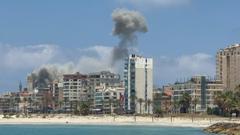
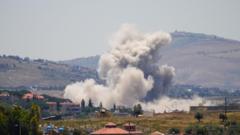
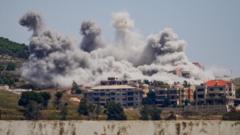
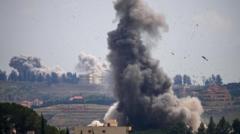
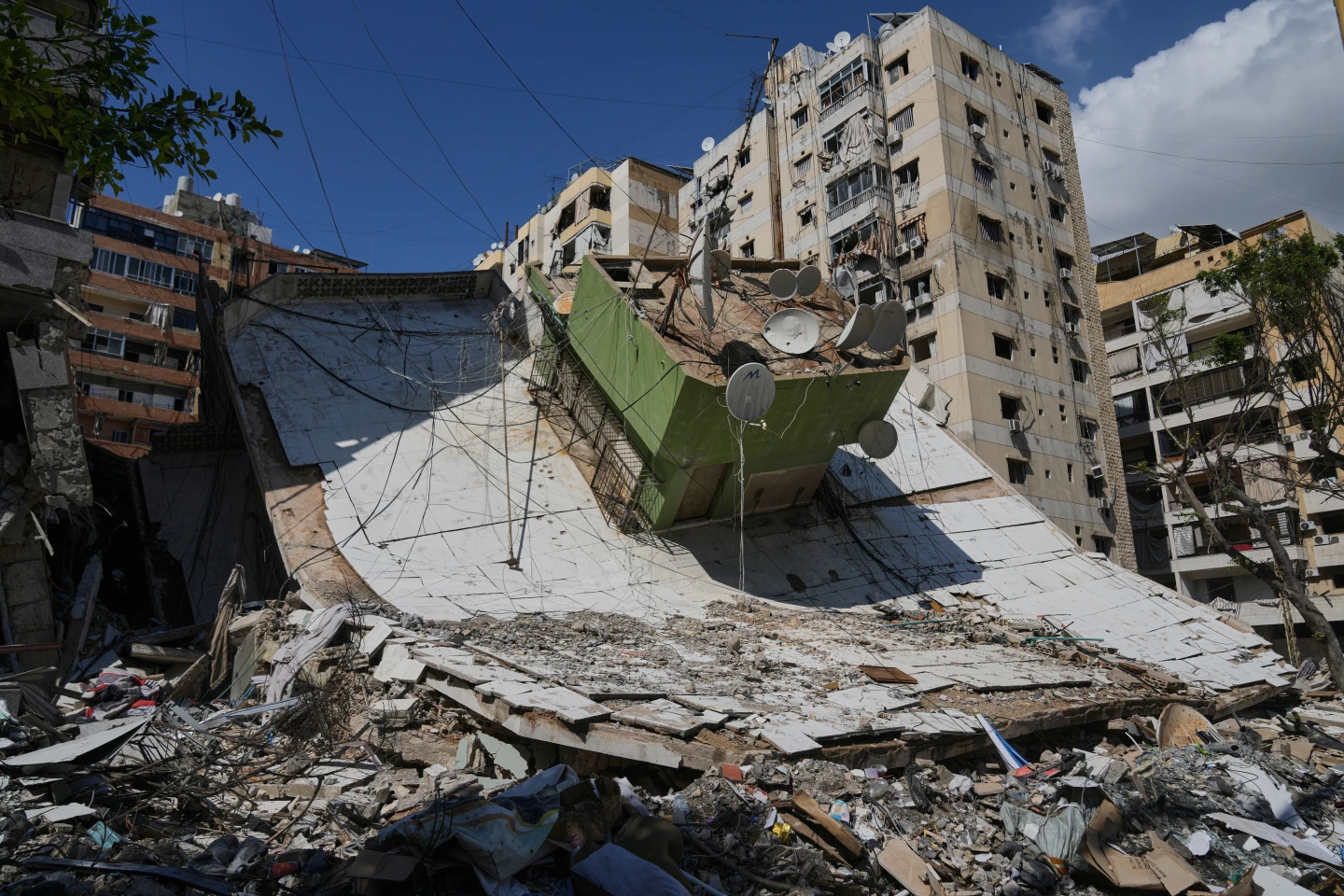
Doubts over the durability of the US-Iran ceasefire emerged after Israel launched a wave of strikes on Lebanon, which led Tehran to warn of a regret-inducing response if they continue. US President Donald Trump has stated that the country's forces will remain in the region until Iran complies with the real ceasefire agreement.
One of the conditions of the ceasefire agreement was that ships would be able to safely use the Strait of Hormuz - a key shipping route for global oil and gas supplies. Reports that Iran will keep the crucial shipping route closed because of the Israeli strikes has renewed fears of a lengthy disruption to energy supplies, which would keep fuel prices high.
The price of a barrel of Brent crude rose 3.2% to $97.94 on Thursday as pressure mounted on what US Vice President JD Vance described as a fragile truce. Since the war began on 28 February, wholesale oil prices have jumped by 35%. Crude oil is a key ingredient in petrol and diesel, so its price has a big influence on the cost of filling up a car.
According to data from UK motoring group the RAC, the average petrol price was 158.03p a litre on Thursday while diesel was 191.11p – both slightly higher than the previous day. A tank of petrol is now £13.86 more expensive than it was at the beginning of the conflict at £86.92, while a full tank of diesel now costs £26.80 more at £105.11.
The RAC has stated that drivers should not expect a big fall in pump prices soon, although rival group the AA noted that wholesale fuel costs were now lower than they were at the start of the week. Following the fuel industry's rule of thumb of a 10 to 14-day lag between wholesale cost movements and those at the pump, drivers should expect prices on forecourts to level by next weekend and then fall – providing the ceasefire holds.
Stock markets have also reacted to the uncertainty, with Japan's Nikkei 225 index closing down 0.5%, as investors express nervousness over potential disruptions in energy supplies. The pressures of maintaining safety in the Strait of Hormuz and uncertainties surrounding the ceasefire continue to affect global markets.
Oil prices had plunged initially after an agreement to pause the conflict was announced, but rose on Thursday due to concerns over whether the ceasefire would hold.
The price of oil remains much higher than pre-war levels and drivers have been warned not to expect a significant drop in costs soon. However, one motoring group has said fuel prices could start to fall over the next couple of weeks as long as the ceasefire is maintained.
Doubts over the durability of the US-Iran ceasefire emerged after Israel launched a wave of strikes on Lebanon, which led Tehran to warn of a regret-inducing response if they continue. US President Donald Trump has stated that the country's forces will remain in the region until Iran complies with the real ceasefire agreement.
One of the conditions of the ceasefire agreement was that ships would be able to safely use the Strait of Hormuz - a key shipping route for global oil and gas supplies. Reports that Iran will keep the crucial shipping route closed because of the Israeli strikes has renewed fears of a lengthy disruption to energy supplies, which would keep fuel prices high.
The price of a barrel of Brent crude rose 3.2% to $97.94 on Thursday as pressure mounted on what US Vice President JD Vance described as a fragile truce. Since the war began on 28 February, wholesale oil prices have jumped by 35%. Crude oil is a key ingredient in petrol and diesel, so its price has a big influence on the cost of filling up a car.
According to data from UK motoring group the RAC, the average petrol price was 158.03p a litre on Thursday while diesel was 191.11p – both slightly higher than the previous day. A tank of petrol is now £13.86 more expensive than it was at the beginning of the conflict at £86.92, while a full tank of diesel now costs £26.80 more at £105.11.
The RAC has stated that drivers should not expect a big fall in pump prices soon, although rival group the AA noted that wholesale fuel costs were now lower than they were at the start of the week. Following the fuel industry's rule of thumb of a 10 to 14-day lag between wholesale cost movements and those at the pump, drivers should expect prices on forecourts to level by next weekend and then fall – providing the ceasefire holds.
Stock markets have also reacted to the uncertainty, with Japan's Nikkei 225 index closing down 0.5%, as investors express nervousness over potential disruptions in energy supplies. The pressures of maintaining safety in the Strait of Hormuz and uncertainties surrounding the ceasefire continue to affect global markets.