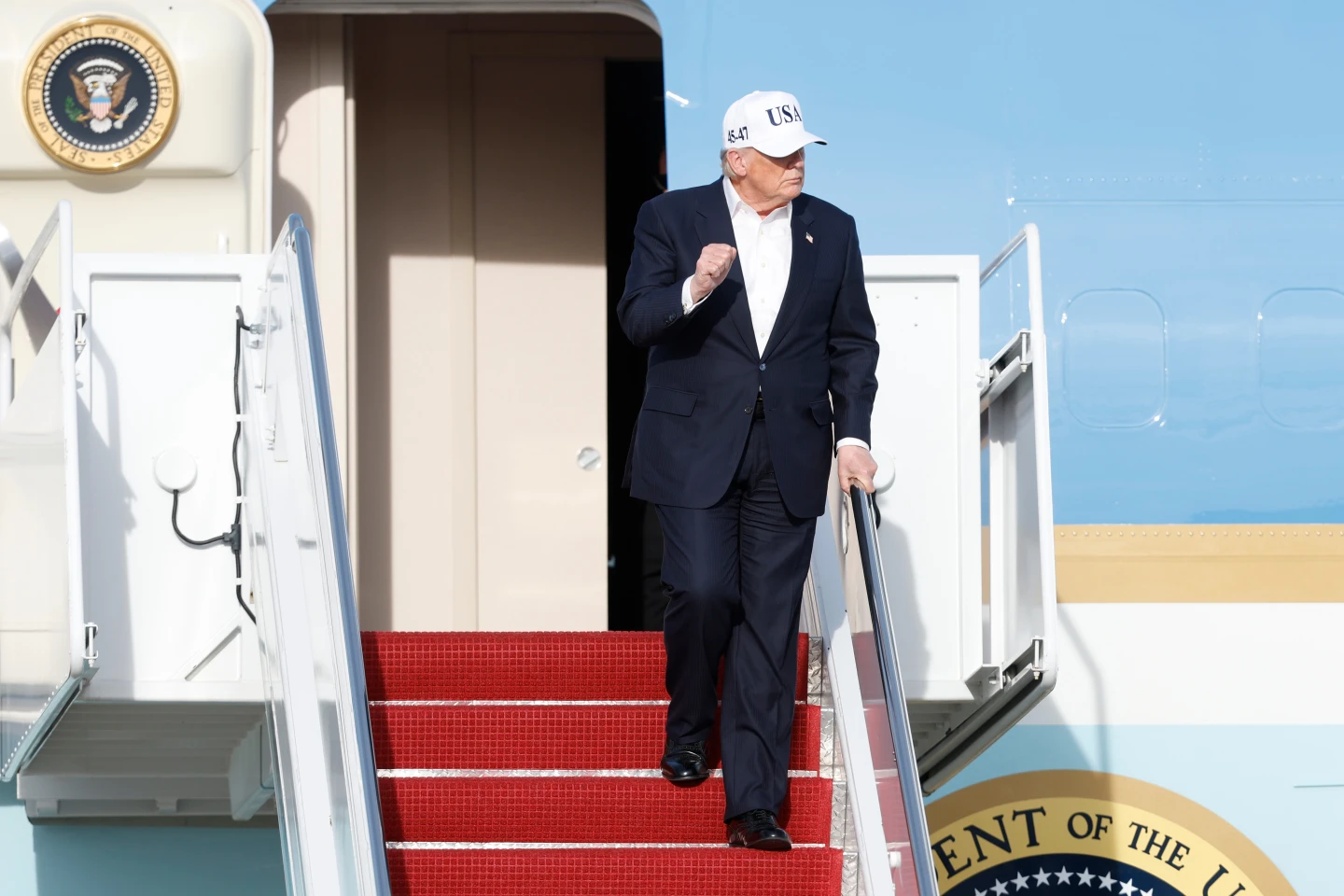
President Donald Trump has pledged to target infrastructure across Iran unless the country reaches an acceptable deal to end the war with the US and Israel by Tuesday night.
Promising to bomb the country back to the Stone Ages, Trump said US forces would target bridges and power plants across Iran. He also posted to social media on Tuesday that a whole civilization will die tonight if an agreement is not struck.
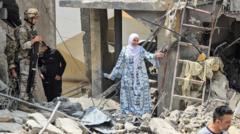
Since the conflict escalated, there has been a worrying trend of attacks on critical infrastructure affecting ordinary Iranians, with several schools and hospitals reportedly damaged.
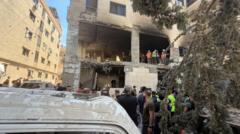
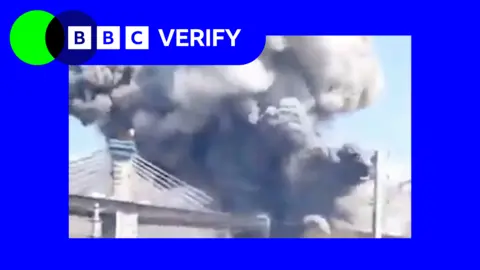
According to BBC Verify, US and Israeli strikes have recently targeted at least two steel plants, three bridges, and a pharmaceutical plant. The ramifications of these strikes have garnered significant scrutiny, with some members of Congress and UN officials suggesting that these actions might amount to war crimes.
A major focus of the strikes was on a bridge under construction in Karaj, with local officials reporting 13 fatalities from the attack. The destruction of infrastructure continues to cause immense civilian harm, prompting debates about the legality of these military actions.
The strikes have caused extensive damage to steel production capabilities in Iran, which is a crucial sector for the economy. Israeli Prime Minister Benjamin Netanyahu claimed that the attacks have disrupted approximately 70% of Iran's steel manufacturing capacity, undermining an essential component of the Iranian economy.
Mahmoudian, a research fellow, cited that the attacks put nearly 20 million tons of steel production at risk, potentially affecting 3-3.5% of Iran's GDP. Additionally, the strikes on pharmaceutical facilities, such as the Tofigh Daru Research & Engineering Company, are alarming as they could severely impact healthcare access during critical times.
The international legal framework regarding such strikes is complex. While some military actions against dual-use facilities (civilian sites that also serve military purposes) may be permissible, significant backlash exists regarding the potential for excessive civilian harm.
As these attacks continue, they draw condemnation and increased calls for accountability from various international bodies. The UN has stressed that unnecessarily harming civilians or civilian infrastructure is unacceptable under international law and can be deemed a war crime.
With rising casualties and damage to civilian infrastructure, many fear that the continuous targeting of such sites may not only further escalate tensions but could lead to grave humanitarian consequences.
In a news conference, Trump dismissed concerns regarding potential war crime charges, shifting the focus instead to Iran's nuclear threats, insisting that the real war crime lies in allowing Iran to pursue nuclear weapons.